Android 16 Unleashes Stingray Protection: New Security Features Combat Network Impersonation
 Do Son
Google has announced that Android 16 will introduce an array of new security features, including real-time alerts designed to protect users from rogue cell towers—commonly known as Stingrays—and insecure networks, thereby reducing the risk of tracking or data breaches.
This feature is specifically designed to safeguard against “cell-site simulators,” malicious devices that impersonate legitimate mobile towers. Such devices deceive smartphones into connecting with them, enabling the interception of location data and potentially extracting sensitive identifiers. These technologies have previously been used by U.S. Customs and Immigration Enforcement, prompting widespread privacy concerns.
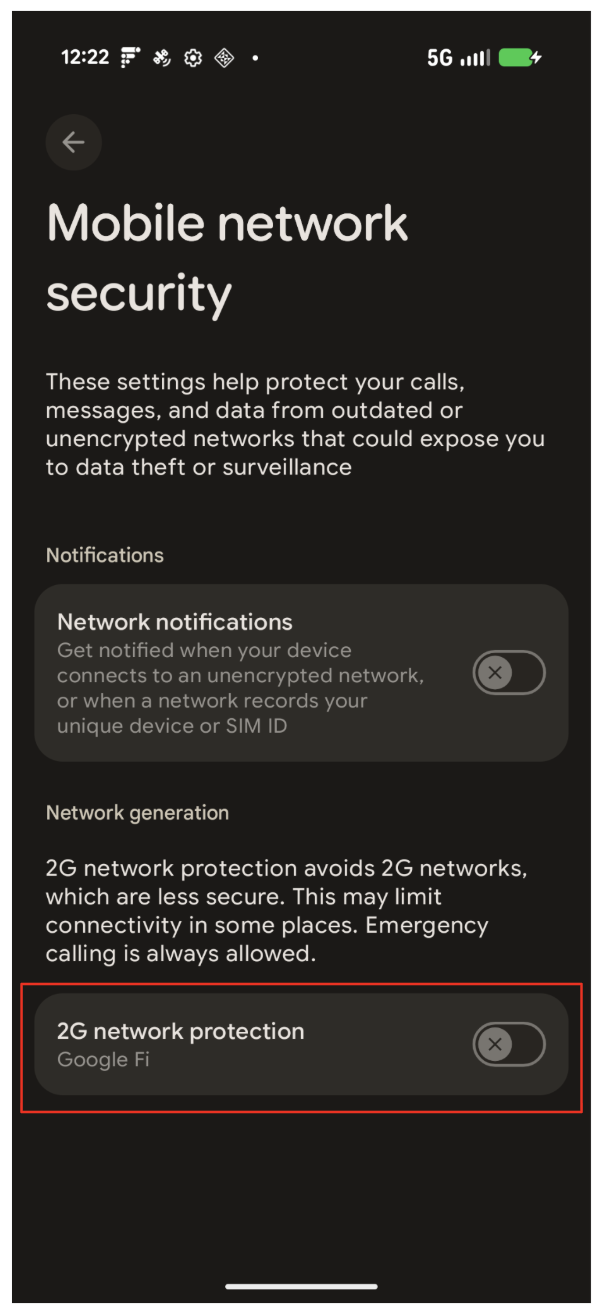
According to Google, Android 16 will offer a new “Network Security Alert” function. When the system detects a connection to an unencrypted mobile network—or if the network attempts to solicit device identifiers—it will issue an on-screen warning, advising users of the potential threat.
In addition to detecting suspicious towers, Android 16 will introduce an option for “2G Network Protection.” Given that 2G protocols are inherently weak in terms of encryption and long considered a cybersecurity blind spot, enabling this feature will allow the device to automatically avoid connecting to older, high-risk network infrastructures, thereby enhancing the security of data transmissions.
However, according to Android Authority, the implementation of these features requires hardware-level support. As a result, most existing Android devices will be unable to fully leverage them. It is expected that Google’s upcoming flagship, the Pixel 10—slated for release this summer—will be the first to support these enhancements. Over time, such features may become standard across next-generation Android hardware.
From bolstering Play Protect and deploying Titan M security chips to this latest initiative against rogue towers, Google continues to build a comprehensive defense architecture for Android. At a time when generative AI and data privacy debates are intensifying, system-level protections and transparent alerts will play a pivotal role in establishing user trust.
Until these features become widely available, users can still bolster their personal security by manually disabling 2G connectivity, avoiding untrusted Wi-Fi networks, and closely reviewing app permissions.
Related Posts:
- Critical Exim Bug Exposes Email Servers to Remote Attacks
- Mastodon Patches Critical RCE Security Vulnerability
- GitHub Security Alerts has detected over 4 million vulnerabilities
- Google Advanced Protection Program now supports iOS applications
Support Our Threat Intelligence
Find our tech and OS security coverage helpful? Support our work today and unlock a 100% ad-free reading experience!
 Buy Me a Coffee
