The End of the Open APK? Google’s 2026 Roadmap to “Vanquish” Unsigned Sideloading
 Do Son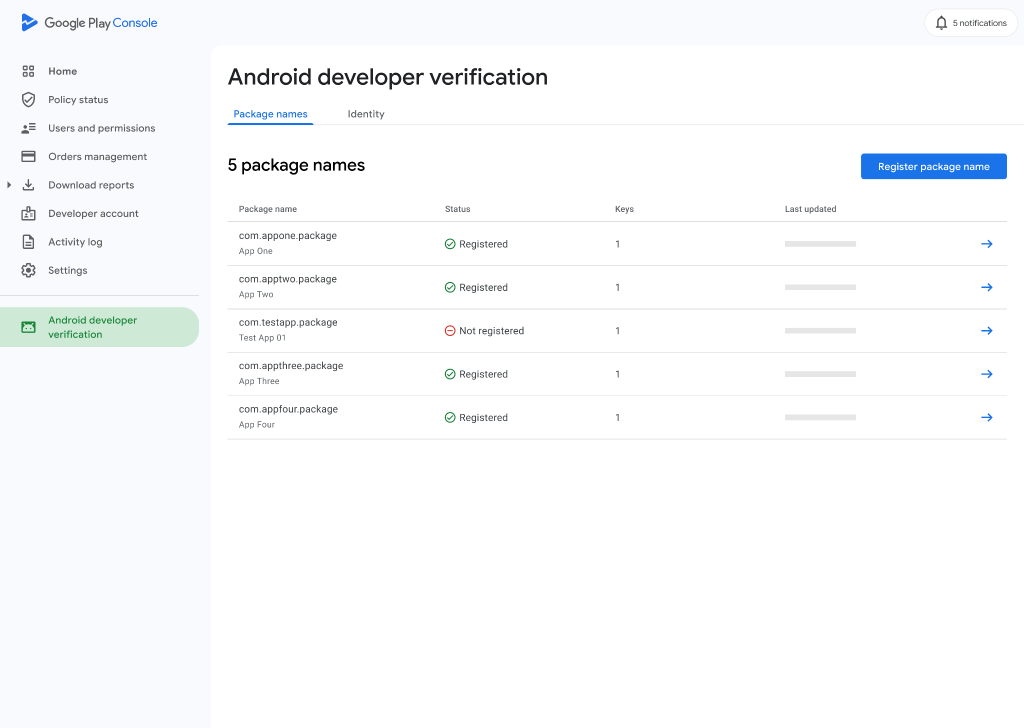
Earlier this month, Google promulgated a recalibrated protocol for sideloading applications within the Android ecosystem. Under this nascent paradigm, patrons are categorically precluded from directly sideloading unverified APK archives; to install such files, one must petition for an exemption a full twenty-four hours in advance.
Furthermore, digital architects who eschew the Google Play Store in favor of independent distribution are now compelled to secure a certified Google developer account and cryptographically sign their artifacts. Only when endowed with these requisite digital signatures may lay users seamlessly execute a direct sideloading installation.
In accordance with this transfigured protocol, Google is obliged to extend account authentication capabilities to the entire populace, irrespective of their status as developers. Commencing today, those already enshrined as registered Google Play developers may spearhead this verification process. The meticulous chronology of this rollout is as follows:
- April 2026: Users will start to see Android Developer Verifier in their Google Systems services settings.
- June 2026: Early access: Limited distribution accounts for students and hobbyists.
- August 2026:
- Limited distribution accounts launch globally.
- Advanced flow for power users launches globally.
- September 30, 2026: Apps must be registered by verified developers in order to be installed and updated on certified Android devices in Brazil, Indonesia, Singapore, and Thailand. Unregistered apps can be sideloaded with ADB or advanced flow.
- 2027 and beyond: We will roll out this requirement globally.
At present, Google leans predominantly upon the bedrock of Google Play Services to orchestrate developer authentication. Thus, the moment a patron endeavors to assimilate an APK archive, Google Play Services preemptively scrutinizes the application for the requisite cryptographic signature; should it be found wanting, the installation is unceremoniously vanquished.
Consequently, Android apparatuses devoid of Google’s sovereign certification are entirely absolved from this evaluative crucible. Therefore, for patrons within the domestic sphere, this nascent doctrine shall precipitate virtually no ripple of consequence—unless, perchance, they wield a certified apparatus and have proactively enshrined Google Play Services within it.
Support Our Threat Intelligence
Find our tech and OS security coverage helpful? Support our work today and unlock a 100% ad-free reading experience!
 Buy Me a Coffee
