 Do Son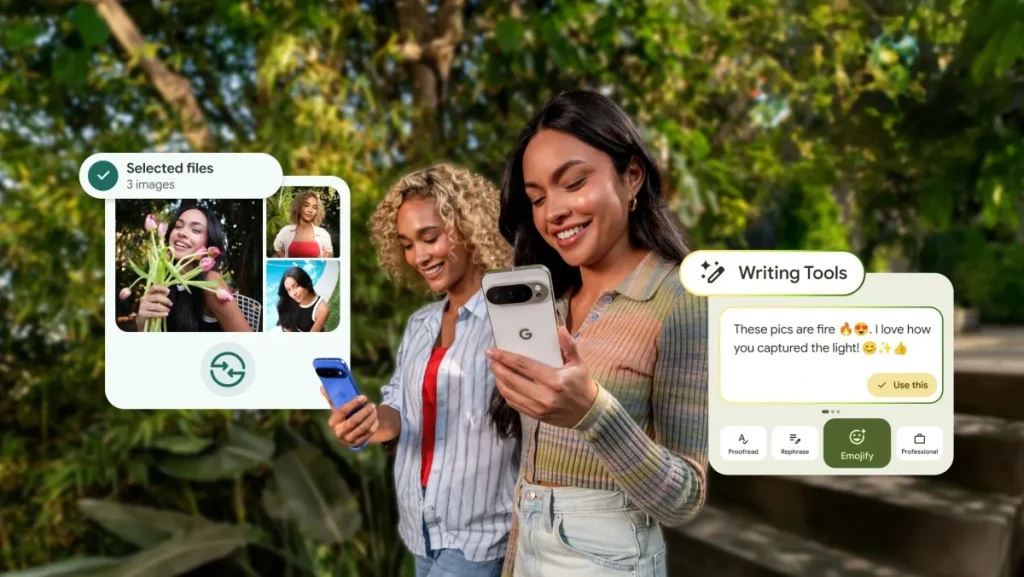
In its latest September Pixel update (Pixel Drop), Google has extended many of the flagship features originally introduced with the Pixel 10 series to older devices, covering all smartphones from the Pixel 6 onward as well as the Pixel Tablet. This effectively allows users of nearly four years’ worth of Pixel models to share in the benefits.
The most striking enhancement is the introduction of Android 16’s new Material 3 Expressive UI, which brings a deeper sense of personalization to devices starting with the Pixel 6. Users can now add “live effects” such as weather animations to the lock screen, customize the appearance of incoming call cards, and enjoy a redesigned quick settings panel for more intuitive navigation.
On the entertainment and self-expression front, Emoji Kitchen has been further refined. Beyond combining and remixing emoji elements, the update adds a streamlined browsing interface and a “Favorites” feature, making it easier to locate and save frequently used creative stickers—allowing conversations to carry a more distinctive personal touch.
In terms of hardware synergy, the Pixel Buds Pro 2 will soon receive Adaptive Audio, dynamically adjusting sound output to match the surrounding environment. The earbuds are also gaining Loud Noise Protection, along with the ability to accept or decline calls and respond to messages through subtle nodding or shaking gestures.
Google has also expanded support for Bluetooth LE Audio Auracast, enabling more Android devices to connect with two pairs of headphones simultaneously or create QR code–based private broadcasts for synchronized group listening. The company even envisions this as a tool for hosting “silent discos.” Meanwhile, the Quick Share interface has been redesigned, making it more convenient to switch between sending and receiving files.
AI remains at the heart of this release. Gboard now integrates an AI-powered text editing tool capable of correcting spelling and grammar in real time, while also adapting messages to be more formal, concise, or expressive depending on user intent. Google emphasizes that these capabilities are powered by on-device models, ensuring both privacy and responsiveness.
Finally, Google has introduced a playful new Androidify feature: with a selfie and the help of AI, users can instantly generate a personalized Android robot avatar, further enhancing the sense of individuality in the Pixel experience.
Taken together, this Pixel Drop not only brings older devices up to par with the Pixel 10 but also highlights Google’s strategic focus on AI-driven writing, audio streaming, and interface design—reinforcing the unique strengths of the Pixel ecosystem.
Related Posts:
- 7 Android & Pixel Vulnerabilities Exposed: Researcher Publishes PoC Exploits
- Google Pixel Phones Exposed: Millions at Risk Due to Pre-Installed App Vulnerability
- Google opens Pixel Visual Core camera optimization technology to third-party apps
- MediaTek September 2025 Security Bulletin: High-Severity Modem Flaws Could Enable Remote Attacks
Support Our Threat Intelligence
Find our tech and OS security coverage helpful? Support our work today and unlock a 100% ad-free reading experience!
 Buy Me a Coffee
