Deep Integration: Apple Intelligence Anchors iOS 27 and macOS 27 Default Application Suites
 Do Son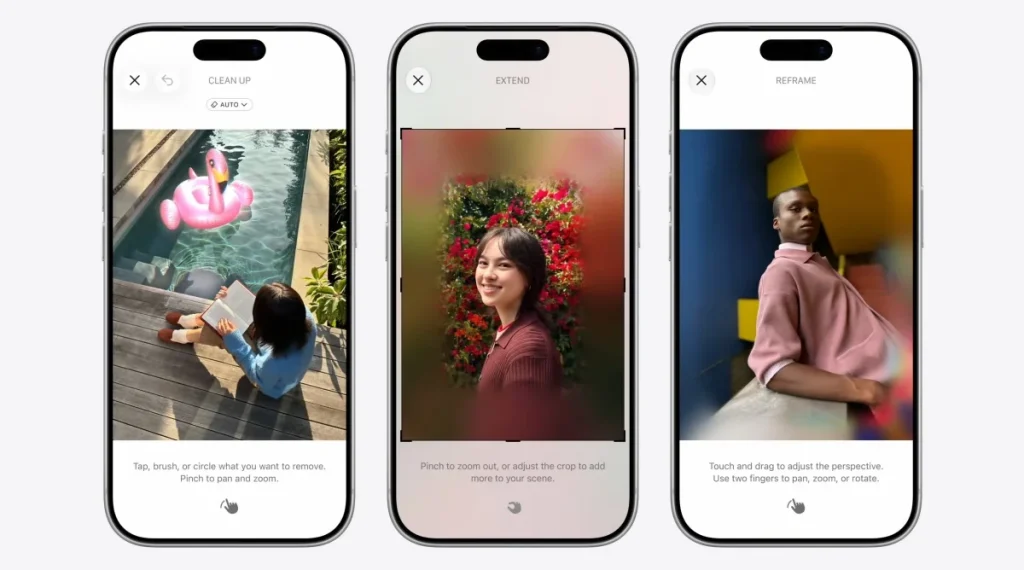
During the WWDC 2026 developer conference, Apple unveiled an extraordinary evolutionary leap for its ecosystem. Specifically, engineers integrated Gemini models deeply into the core Siri framework. Furthermore, Apple announced the pervasive embedding of Apple Intelligence across the native apps of iOS 27 and macOS 27. Consequently, these machine-learning architectures no longer operate as simple text generators or stylistic editors. Instead, they actively intervene in the user’s daily digital workflows. For example, core applications like Safari, Passwords, Messages, Shortcuts, and Home are receiving robust AI-driven automation upgrades.
Safari Reimagined
Autonomous Web Monitoring and Customization
During this launch, the native Safari browser received its most pragmatic AI enrichment to date. First, Apple Intelligence endows Safari with the capacity to monitor specific web tabs autonomously in the background. Consequently, the browser dispatches instantaneous notifications when critical content shifts occur. This feature effortlessly alerts users to ticket releases or stock replenishments. Therefore, it completely eliminates the tedious necessity of manual webpage refreshing.
Intelligent Tab Orchestration
Additionally, the browser introduces sophisticated tab sorting routines for professionals handling massive web arrays. The system analyzes context and semantic relevance to organize chaotic workspaces into elegant groupings. Moreover, the AI seamlessly assists users in engineering customized extensions to automate repetitive, routine browsing tasks. This innovation greatly amplifies overall operational efficiency. Concurrently, Apple previewed the deployment of these advanced toolsets within the native Passwords and Messages applications. These integrations will elevate secure credential administration and digital communication.
Liberating Shortcuts and Home
Synthesizing Automation via Natural Language
Historically, configuring intricate macros within the Shortcuts application demanded rigorous logical sequencing and manual component stitching. Fortunately, Apple Intelligence dramatically lowers this barrier to entry. Users can now simply dictate their desired operational outcomes using natural, conversational prose. For instance, an operator might request an automated morning briefing script. Subsequently, the AI interprets the underlying intent and synthesizes the corresponding macro architecture instantly.
Smart Automation inside the Home Ecosystem
Similarly, the smart home orchestration hub, known as the Home application, is receiving deep artificial intelligence capabilities. Although granular technical schematics remain undisclosed, corporate leadership confirmed that this integration will optimize contextual scene automation. Consequently, the system will deliver superior cross-device synergy.
Creative Horizons: Image Playground and Photogrammetric Enhancements
Through these core technological enhancements, Apple significantly elevated the generative fidelity of its Image Playground asset. Therefore, users can synthesize high-quality imagery utilizing basic descriptive text. They can also manipulate fine graphic details effortlessly. Afterward, creators can apply these synthesized images as device wallpapers, caller identifications, or standby displays.
Meanwhile, the native Photos utility introduces advanced object elimination, spatial expansion, and dynamic re-framing features. For example, removing a specific subject from an image now yields incredibly organic visual textures. Additionally, the system seamlessly extrapolates canvas boundaries. It leverages spatial computing metrics to execute precise perspective corrections. Crucially, these updated creative frameworks will support a diverse linguistic matrix. This array includes English, Chinese, French, German, Japanese, and Korean, alongside ten alternative global languages.
Strategic Implications: The Operating System as Intelligent Infrastructure
Ultimately, these consecutive disclosures reveal Apple’s broader strategic vision for artificial intelligence. Instead of isolating AI inside an application wrapper, Apple treats machine learning as an omnipresent layer of system infrastructure. This philosophy contrasts sharply with Microsoft’s promotion of Copilot or Google’s packaging of Gemini.
Instead, Apple seamlessly fuses processing power directly into the daily applications of millions. When a browser monitors data autonomously, or a shortcut compiler interprets conversational commands, the enterprise achieves an advantage. This low-level integration establishes a fluid experience that third-party applications simply cannot replicate across secure platform boundaries.
Support Our Threat Intelligence
Find our tech and OS security coverage helpful? Support our work today and unlock a 100% ad-free reading experience!
 Buy Me a Coffee
