 Do Son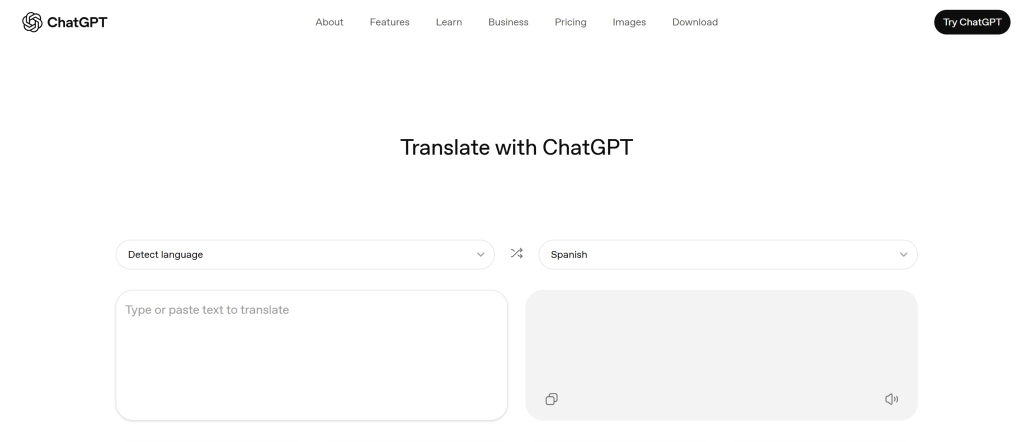
In the escalating conflict for generative AI supremacy, OpenAI has unleashed a formidable new asset, specifically targeting the ubiquitous “translation” domain. The organization has surreptitiously debuted ChatGPT Translate on its web interface, signaling a definitive incursion into the digital translation market. While the aesthetic mirrors Google Translate with its familiar bilateral column layout, the underlying architecture is fundamentally distinct: it functions not merely as a linguist but as a rhetorical consultant, capable of transmuting text into “professional parlance” or a simplified register “suitable for children.”
Presently confined to desktop environments, ChatGPT Translate facilitates autonomous language detection and bidirectional translation for over fifty languages. Although the design encourages a seamless transition for veteran users, OpenAI’s ambitions extend far beyond mere mimicry. The platform’s quintessential advantage resides in its sophisticated “post-processing” capabilities.
At the base of the interface, users are presented with a series of instantaneous refinement toggles, such as “Enhance Fluency,” “Executive Formal,” “Simplify for Children,” or “Academic Tone.” Upon selection, the system transitions to the primary ChatGPT dialogue interface, leveraging the prowess of generative AI to perform profound stylistic and tonal revisions. Unlike traditional tools that provide rigid linguistic conversion, ChatGPT Translate prioritizes the “context” and “intent” underlying the prose. Consequently, a single sentence can be recalibrated to resonate with a specific audience, whether one is addressing a corporate superior or explaining concepts to a fledgling mind.
Furthermore, OpenAI emphasizes the virtue of “continuous dialogue.” After receiving an initial translation, users may engage in real-time discourse with the AI to refine specific lexemes or adjust the overarching atmosphere—an interactive experience that traditional services find difficult to replicate. Nevertheless, Google remains a formidable adversary. Its translation ecosystem currently retains a lead in breadth, supporting a superior number of dialects and offering multifaceted features such as handwritten input, full-page web translation, and robust real-time vocal interpretation. In contrast, ChatGPT Translate is currently limited to textual input, with image and voice integration residing in the developmental pipeline.
Moreover, Google recently integrated the Gemini AI model into its translation services to fortify its command over idioms, colloquialisms, and regional vernacular, thereby elevating the fidelity of its output.
Related Posts:
- Beyond Translation: Google Translate Adds a Gemini-Powered Language Tutor
- iOS 27 & macOS 27: Apple Shifts to Stability and Performance Over New Features
- Years Late: Apple Finally Launches Full Web-Based App Store Homepage with Search & Discovery
- Human-Like AI: Google Translate Gets Gemini Upgrade for Slang & Tone Preservation
Support Our Threat Intelligence
Find our tech and OS security coverage helpful? Support our work today and unlock a 100% ad-free reading experience!
 Buy Me a Coffee
