Chrome for Android Gains Gemini 3.1, Nano Banana Image Synthesis, and “Auto Browse” Powers
 Do Son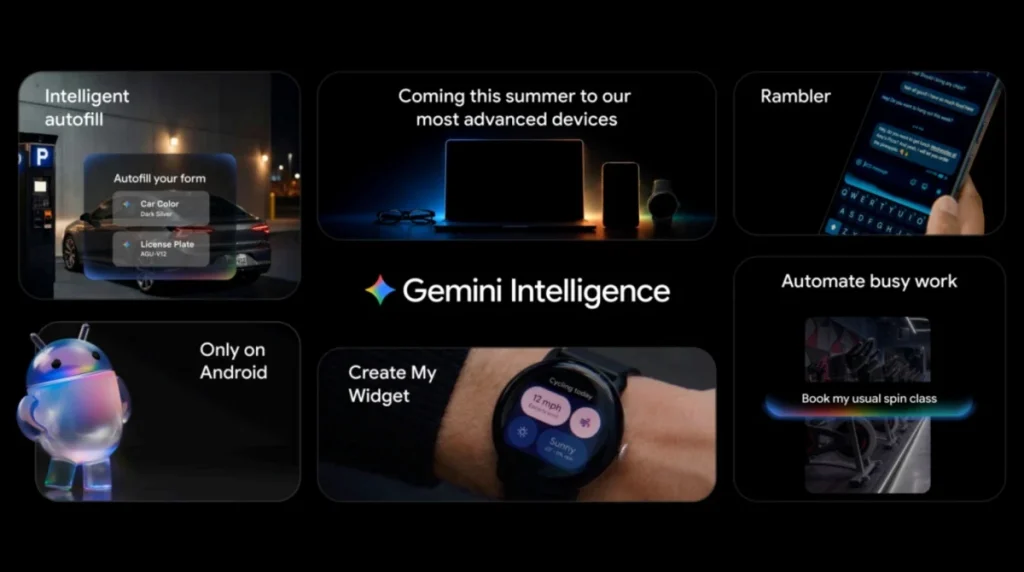
Google has formally proclaimed that it will bestow a suite of avant-garde capabilities upon the Android iteration of the Chrome browser next month, underpinned by its sophisticated Gemini 3.1 AI model. This transition transforms Chrome into an “Intelligent Browsing Companion” capable of deciphering the nuances of web context, introducing an “Auto Browse” feature that assumes the burden of repetitive digital tasks, and integrating real-time image synthesis powered by the Nano Banana model.
A novel Gemini icon will soon grace the upper-right quadrant of the Chrome toolbar. Upon activation, the Gemini interface will ascend from the bottom of the display, serving as the user’s ubiquitous AI aide:
- Contextual Cognition and Synthesis: The assistant possesses the capacity to “read” and comprehend the current webpage, allowing it to summarize long-form articles or deconstruct complex subjects into vernacular explanations without the need for manual transcription into disparate applications.
- Ecosystem Interconnectivity: This assistant harmonizes seamlessly with favored Google services. For instance, it can transpose culinary ingredients from a website directly into Google Keep, integrate event details into Google Calendar, or interface with Gmail to retrieve specific data points.
- Bespoke Personalization (Opt-in): Should users elect to enable “Personal Intelligence,” Gemini will curate its responses based on the individual’s interests, hobbies, and even familial or domestic contexts, such as pet ownership.
A pivotal highlight of this update is the endowment of Chrome with instantaneous visual customization. Leveraging the underlying Nano Banana model, users can synthesize or modify imagery directly within the browser interface. Visual learners may command the AI to “transform this webpage’s content into an infographic.” In more practical scenarios—such as perusing unfurnished property listings—a user might direct the assistant to “render modern living room furniture into this image,” facilitating a more intuitive visualization of the space.
While the aforementioned features act as conduits for assistance, “Auto Browse” represents true “agentic delegation.” This function is engineered to navigate the mundane and labyrinthine operational workflows of the web. For example, if a user intends to attend a performance but has neglected to secure a parking reservation, they may instruct Chrome to utilize the event details from their confirmation email to locate and secure a spot via platforms like SpotHero. Similarly, as a pet matures and requires different sustenance, a simple verbal command enables Chrome to autonomously navigate the Chewy website and update the recurring order.
Addressing concerns regarding security and privacy, Google emphasizes that these innovations incorporate the same robust safeguards as the desktop version, specifically designed to thwart emerging threats such as “Prompt Injection.” Furthermore, the Auto Browse mechanism mandates a final human verification before executing sensitive transactions, such as finalizing a purchase or broadcasting content to social media, ensuring that ultimate agency remains with the user.
These momentous AI enhancements carry stringent hardware and software prerequisites and are slated for an inaugural release in the United States at the end of June:
- Gemini in Chrome: This will be distributed to specific devices running Android 12 or later, provided the system language is configured to U.S. English.
- Auto Browse: Initially, this feature is exclusive to Gemini AI Pro and Ultra subscribers within the United States.
- Hardware Requirements: All aforementioned functionalities necessitate a device equipped with a minimum of 4GB of RAM to operate effectively.
Support Our Threat Intelligence
Find our tech and OS security coverage helpful? Support our work today and unlock a 100% ad-free reading experience!
 Buy Me a Coffee
