Gemini’s New AI Image Generation Model Prioritizes Consistency, Control, and Trust
 Do Son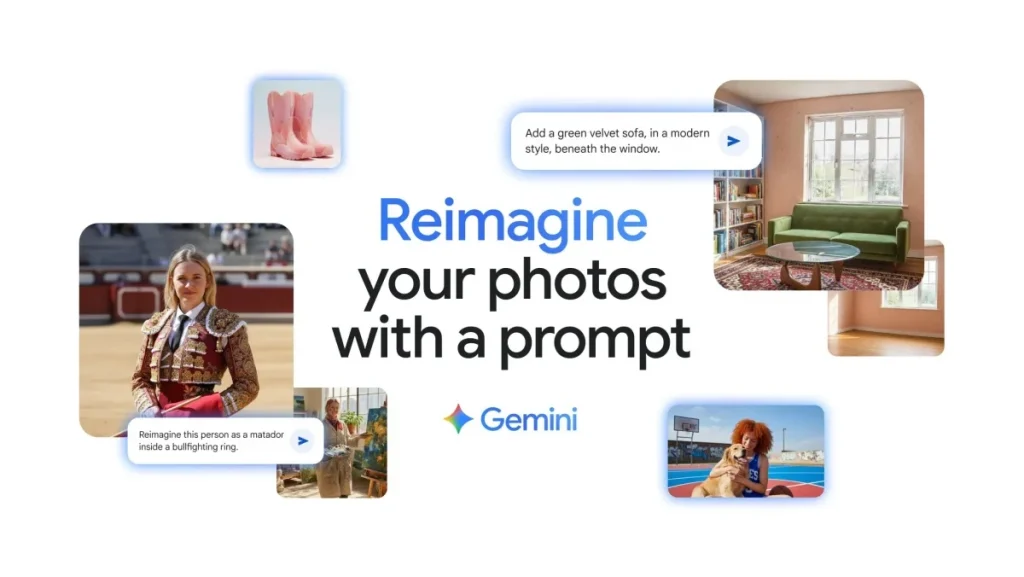
Google has announced a fresh round of upgrades to its Gemini image-generation model, with particular emphasis on AI editing, cross-frame consistency, and creative flexibility. Developed by the DeepMind team and already live in the Gemini app, the update also enforces provenance: every image created or edited with Gemini will carry a visible, digital watermark that clearly denotes its AI origin.
One of the marquee improvements is character consistency across iterative edits. Where earlier models often drifted in facial features, attire, or proportions during repeated modifications, the new Gemini maintains subject fidelity—allowing users to place the same person in new scenes or outfits without the telltale “face morphing” that once betrayed synthetic edits.
Gemini now supports multi-stage image editing as well, letting users swap backgrounds, replace objects, and layer changes step by step without losing prior adjustments. It can also blend two source images into a new composition, or mine elements from an existing image to generate refined prompt suggestions—expanding the palette of creative options.
Against its peers, Gemini’s evolution lands squarely in the competitive fray:
- OpenAI DALL·E 3: Deeply integrated in ChatGPT and strong in text-to-image generation with robust inpainting tools. Yet for sustained, character-consistent storytelling, the new Gemini model appears to hold the edge—especially for creators working in sequences.
- Adobe Firefly: Built for creative industries with commercial-use licensing and tight ties to Photoshop and Illustrator. While Gemini lacks a full pro-software suite, its aptitude for maintaining characters across contexts positions it as a nimble companion for creators.
- Stable Diffusion: Celebrated for openness and extensive customization via local models and community plug-ins. For mainstream users, however, Gemini’s cloud delivery and integration across Google services lowers the barrier to entry and streamlines the workflow.
Google underscores that all Gemini-generated imagery will include a digital watermark to preserve transparency and traceability. As synthetic media proliferates across newsrooms, advertising, education, and entertainment, this design choice directly addresses concerns over deepfakes and misinformation.
With these updates, Google is signaling more than feature parity: it is making a case for trustworthy generative imagery. By prioritizing character consistency, flexible editing, and explicit provenance, Gemini carves out a clear stance in the market. Whether it now competes more directly with DALL·E, Firefly, and Stable Diffusion will be the next development to watch.
Related Posts:
- Gemini App Unleashes Veo 3: Transform Photos into Videos Now
- Google Gemini Adds AI Image Editing with Natural Language Prompts
- OpenAI Prepares to Watermark GPT-4o-Generated Images with ImageGen
Support Our Threat Intelligence
Find our tech and OS security coverage helpful? Support our work today and unlock a 100% ad-free reading experience!
 Buy Me a Coffee
