 Do Son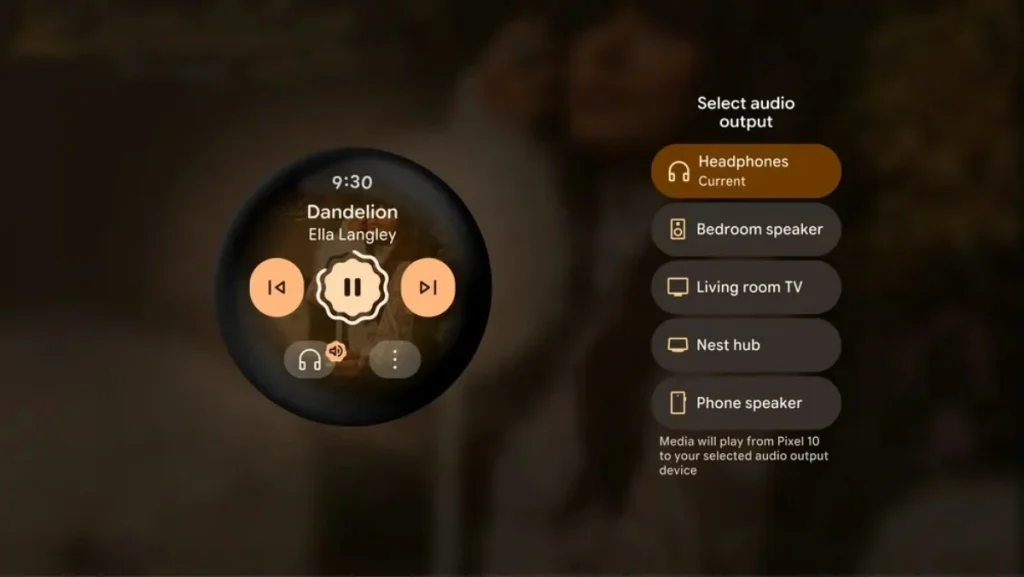
Alongside the monumental updates of Android 17 and the June Pixel Drop, Google has officially unveiled its next-generation smartwatch operating system, Wear OS 7.
According to official Google statistics, over half of Wear OS users wear their devices seven days a week, with the most active users keeping them on for more than 23 hours a day. To accommodate such intense, around-the-clock usage, the all-new Wear OS 7 introduces deep, system-level power optimizations, boosting battery life by an impressive 10%. Furthermore, it introduces “Live Updates” alongside powerful cross-device ecosystem integrations.
The new operating system is rolling out immediately to eligible Pixel Watch devices.
Live Updates on Your Wrist: Instant Access to Scores and Deliveries
In an era of constant information overload, how can one avoid disruptive notifications while never missing critical updates? Wear OS 7 marks the debut of Android highly acclaimed “Live Updates” directly on the user’s wrist.
Moving forward, users tracking crucial sports scores, awaiting food deliveries (via apps like Just Eat), or following high-intensity workout regimens will no longer need to constantly check their phones. The watch display will feature elegantly designed, highly glanceable dynamic widgets. These will deliver real-time status updates at the precise moment they are needed, ensuring a profoundly seamless daily experience.
Cross-Device Command: The Control Hub for Smart Glasses and Audio
Wear OS 7 fundamentally redesigns its synergy with other smart hardware, particularly targeting smart Bluetooth earbuds and the highly anticipated next-generation smart glasses arriving this fall:
- Instant Camera Previews: If a user captures an image using compatible smart video glasses, they can instantly review the freshly taken photograph directly on their Wear OS 7 watch face with a simple raise of the wrist.
- Media Output Switcher: This feature transforms the smartwatch into a central audio dispatch hub for the living room and all connected household devices. Users can command playback on earbuds and smart speakers directly from their wrists, effortlessly routing audio between various devices.
Year-End Highlights: Gemini Intelligence and Natural Language Dashboards
Google has also announced that select flagship Wear OS 7 devices will receive an elite Gemini Intelligence upgrade later this year, evolving the smartwatch into a genuine personal AI assistant:
- Conversational Custom Widgets (Create My Widget): By simply speaking to the AI in natural, everyday language, the system can dynamically construct a bespoke data dashboard tailored exactly to the user’s immediate needs.
- Multi-Step App Automation: Through deep Gemini integration, the watch can autonomously execute complex tasks across multiple applications. For instance, it can secure a front-row spot in a spin class via a fitness app, or seamlessly reorder a favorite meal from a preferred restaurant.
- Personal Intelligence and a Fresh Visual Identity: Introducing the all-new “Neural Expressive” AI dynamic visual design. Equipped with Personal Intelligence, it securely references the user’s Gmail, Google Search history, and chat logs to weave together contextual, proactive, and deeply personalized recommendations.
Robust Battery Performance: System-Level Optimizations Yield a 10% Increase
Addressing the persistent battery life anxiety that plagues smartwatch users, Wear OS 7 implements massive power consumption optimizations at the architectural level. Official Google data indicates that when existing smartwatches upgrade from Wear OS 6 to Wear OS 7, they will experience a significant 10% increase in average battery life under identical usage patterns. Consequently, uninterrupted all-day health monitoring and sleep tracking are no longer hindered by low-battery concerns.
Wearables Transition from “Smartphone Extensions” to “Physical AI Edges”
The core updates within Wear OS 7 reveal a profound paradigm shift in Google’s smartwatch strategy. The device is no longer merely a passive notification relay for the smartphone; it is rapidly evolving into the frontline portal for the entire hardware ecosystem and edge-based AI.
The introduction of Live Updates and cross-device image viewing inherently aims to liberate human attention from the tyranny of the smartphone screen. Furthermore, the forthcoming Gemini automation capabilities directly address the inherent limitations of small wearable displays, which traditionally make complex touch interactions cumbersome. When users can simply verbalize commands allowing the NPU and Gemini to seamlessly switch audio, order deliveries, or engage a smart glass camera the combination of voice interaction and minimalist visuals renders the smartwatch the ultimate AI agent vessel.
Support Our Threat Intelligence
Find our tech and OS security coverage helpful? Support our work today and unlock a 100% ad-free reading experience!
 Buy Me a Coffee
