 Do Son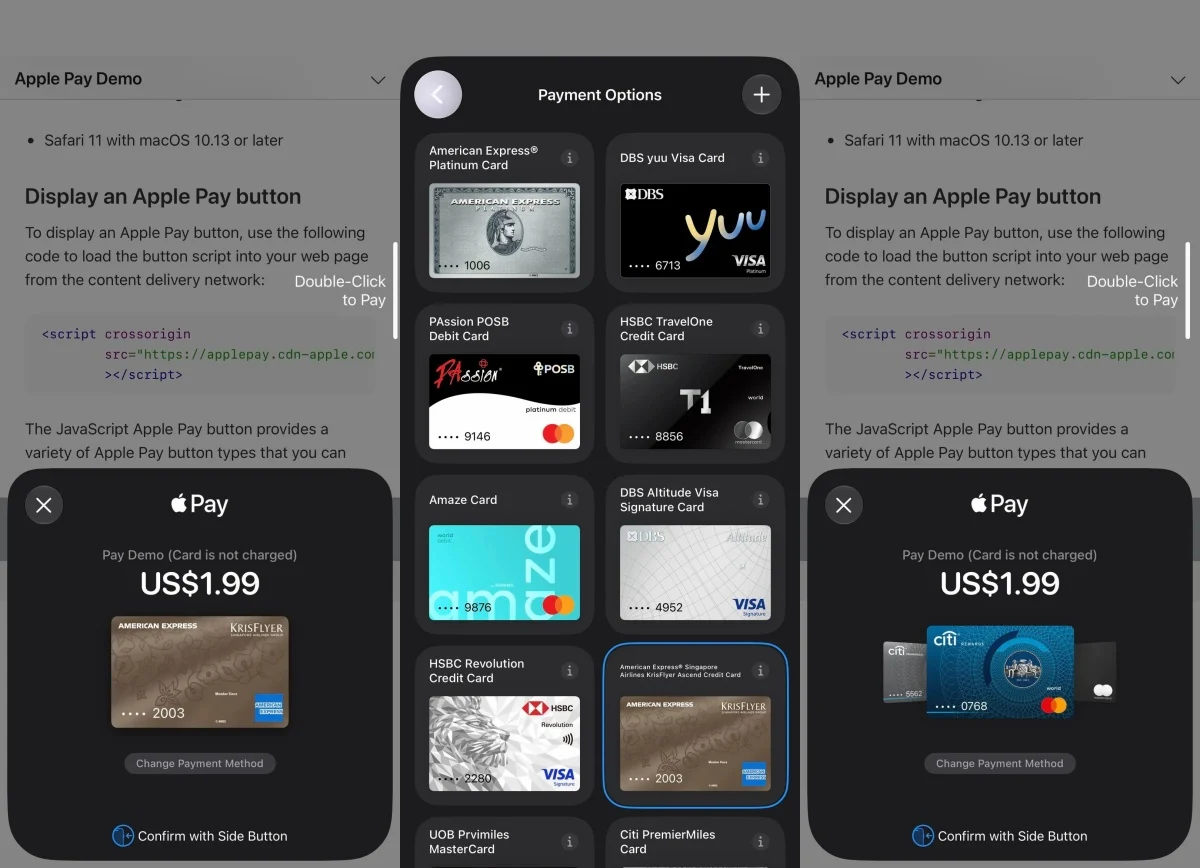
A New Era of Mobile Transactions
Mobile payments have become indispensable to modern existence. Consequently, Apple introduced a sweeping redesign of its payment ecosystem in the latest iOS 27 operating system. This refinement targets the checkout flow across applications and web interfaces. Specifically, the update dismantles the counterintuitive logic that long plagued the user experience. Instead, it introduces fluid swipe gestures and an elegant grid overview. Therefore, users can now manage their financial data with unprecedented speed and precision.
Previously, a significant flaw disrupted the payment architecture before iOS 27. When users initiated a transaction, they naturally attempted to tap the credit card icon to switch accounts. However, this action erroneously redirected them to the shipping address modification page. To change cards, users had to select a separate button at the bottom of the screen. As a result, this design flaw frequently caused accidental inputs and frustrated consumers during critical moments.
Seamless Gestures and Grid Previews
Intuitive Interface Enhancements
To rectify these historical imperfections, Apple fundamentally reshaped the interactive experience. First, the system introduces intuitive sliding gestures. Users can now swipe horizontally on the primary payment interface. This allows them to switch between credit and debit cards effortlessly.
Second, the update introduces a sophisticated grid layout. Tapping the displayed card no longer redirects the user to address fields. Instead, it unfurls a beautifully organized grid preview. This interface presents all credentials stored within the Apple Wallet in a singular, harmonious view. You can see user reactions to this new Apple Pay on the web sheet on iOS 27 on Reddit.
Empowering Developers and Consumers
Furthermore, the payment framework has become significantly more intelligent. Apple clarified that the redesigned interface actively highlights crucial data to assist consumer decision-making. As users navigate through various cards, the screen dynamically surfaces real-time telemetry. This includes credit rewards points, available debit balances, and Apple Pay Later configurations. Consequently, individuals no longer need to launch separate banking applications to verify their funds. They can make optimal financial decisions directly within the checkout window.
In addition, Apple grants greater autonomy to developers and merchants. Businesses can now customize the data fields displayed during checkout based on order requirements. For instance, they can omit unnecessary shipping details or contact numbers. Thus, this flexibility ensures the checkout pipeline remains remarkably streamlined.
Dissolving Friction in Digital Commerce
This meticulous refinement highlights Apple’s dedication to eradicating operational friction. Within digital commerce, a single misclick or delay can prompt a user to abandon their cart entirely. The legacy interface undoubtedly represented a persistent defect in user experience design.
By resolving this issue, Apple successfully merges financial data with aesthetic elegance. This strategic shift diminishes the necessity of traditional banking applications. Ultimately, it cements the Apple Wallet as the premier gateway for modern digital finance.
Support Our Threat Intelligence
If you find our CVE report and cybersecurity news helpful, consider supporting our work.
 Buy Me a Coffee
PayPal
Buy Me a Coffee
PayPal

