Regulatory Friction: Apple to Disable Automatic Wi-Fi Sync on Apple Watch in the EU
 Do Son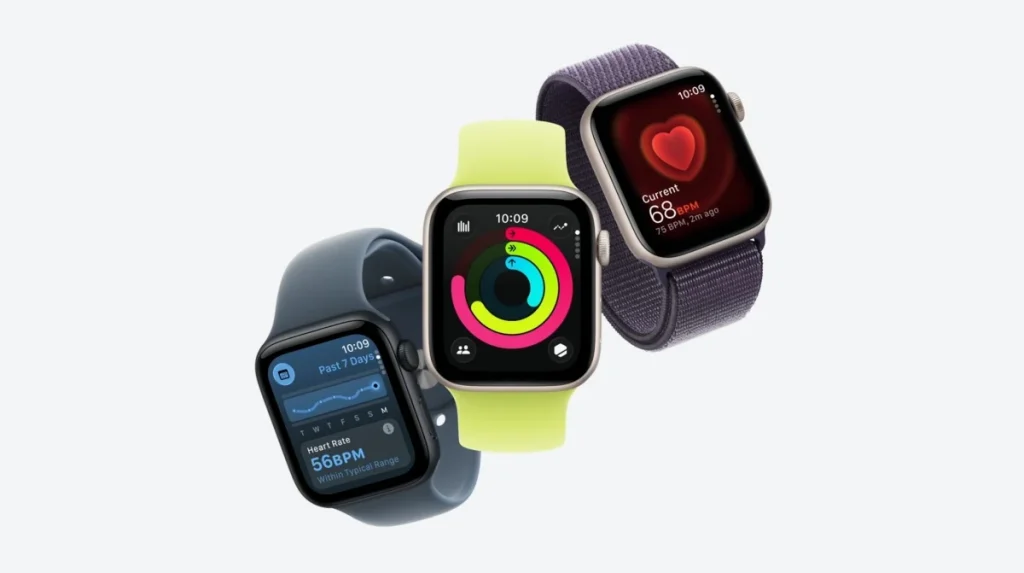
Apple Watch SE 3
By default, Apple’s Apple Watch automatically syncs with the Wi-Fi networks connected to its paired iOS device, allowing users to access the same networks seamlessly without manually selecting hotspots or entering passwords on the watch itself. The entire process is smooth, effortless, and virtually invisible to the user.
However, this behavior is set to change within the European Union. Beginning with iOS 26.2 (expected to be officially released in December 2025), Apple Watch devices sold and used in the EU will no longer be able to automatically sync Wi-Fi credentials from their paired iPhones.
Instead, users will need to open the Apple Watch settings, navigate to Wi-Fi, manually select a network, and enter the password themselves. Each time they switch to a different Wi-Fi connection, the same manual process must be repeated.
This change appears to stem from a dispute between Apple and the European Union regarding the openness of accessory functionality. Under EU regulations, any first-party features provided by Apple must also be made available to third parties — namely, accessory manufacturers and service providers outside Apple’s ecosystem.
Since the Apple Watch can currently access and use Wi-Fi networks saved on an iPhone, the EU argues that non-Apple smartwatches should likewise be allowed to retrieve network credentials from an iPhone and connect automatically. Apple, however, refused to comply, citing security and privacy concerns. As a result, in order to maintain compliance without sharing its proprietary access mechanisms, Apple will disable the automatic Wi-Fi sync feature for Apple Watch devices within the EU.
The change has sparked significant backlash among European Apple Watch users. While the EU’s intent — to promote openness and interoperability — may be well-meaning, Apple’s response has had the opposite effect, drastically reducing the everyday convenience users have come to expect.
If Apple and the EU fail to reconcile these differences, further restrictions on Apple’s ecosystem within the region may follow — meaning that even users fully invested in Apple’s hardware lineup could soon face growing inconvenience due to regulatory friction.
Related Posts:
- Google Chrome Tests AI-Driven Auto Password Change for Breached Accounts
- Google Drive Desktop Gets Major Redesign: Unified UI Centralizes Files, Sync & Notifications
- Google Pixel 10 to Embrace Qi2 Wireless Charging with New “Pixelsnap” Accessories
- Nintendo Locks Down Switch 2 USB-C Port: Breaking Third-Party Dock Compatibility with Proprietary Encryption
Support Our Threat Intelligence
Find our tech and OS security coverage helpful? Support our work today and unlock a 100% ad-free reading experience!
 Buy Me a Coffee
