The Illusion of Security: Kairos Ransomware and the Rise of Data Extortion Without Encryption
 Do Son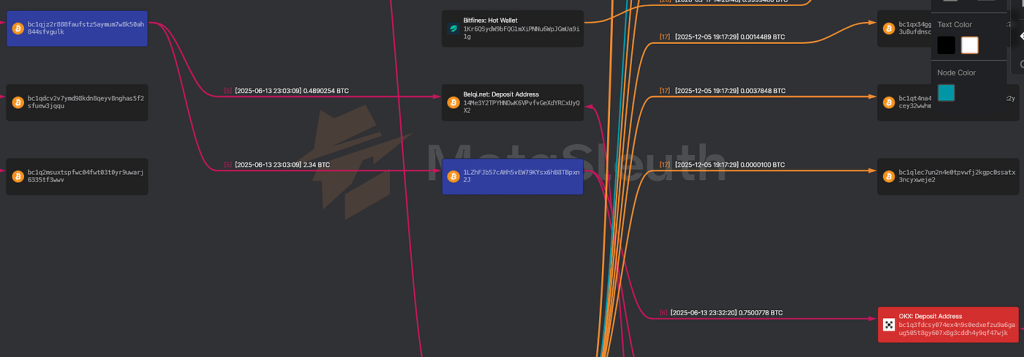
A recent case study published by Ransom-ISAC reveals a disconcerting trend in cyber extortion. As outlined in this ransomware case study, a local government in Ohio paid a $1 million ransom to prevent public exposure. Remarkably, the cybercriminals did not encrypt any files during this operation. Instead, they merely threatened to publish the stolen information online. This simple coercion forced the county government to comply swiftly with their demands.
The Anatomy of a Non-Encrypting Ransomware Attack
Strictly speaking, this incident challenges the traditional definition of a ransomware attack. Security researcher Krishnan omitted the specific name of the victimized institution in the report. However, leaked chat logs strongly indicate that the target was an Ohio county. Furthermore, the threat actors claimed to have exfiltrated approximately two terabytes of highly confidential records. Crucially, this trove included sensitive documents from the county prosecutor’s office. The hackers asserted that exposing these files could enable active criminals to evade legal prosecution.
The Extortion Tactics of the Kairos Group
The criminal syndicate responsible for this breach operates under the moniker Kairos. Initially, the group demanded a $3 million extortion fee to ensure their silence. In response, the victim attempted to negotiate the price down to $100,000. To counter this, the hackers deployed their standard psychological tactics. They implemented aggressive countdowns and rigid deadlines while threatening to leak the most sensitive documents first. Consequently, the victim capitulated on June 13, 2025. They transferred 9.44 Bitcoins, which was valued at approximately $1 million at that time.
Identifying the Masked Victim
Although the extortion occurred in June 2025, details have only recently emerged. Cross-referencing public records strongly suggests that Union County, Ohio, was the primary target. This region houses a population of roughly 70,000 citizens. Regrettably, the compromised dataset encompasses highly sensitive personal identifiable information. This includes social security numbers, financial statements, biometric fingerprints, and passport details. Thus far, Union County officials have not acknowledged the security breach or the ransom payment.
The Fundamental Flaw of the Trust Principle in Cyber Extortion
A pivotal question arises regarding how a victim can verify data deletion. While a $1 million payout is relatively small in the cybercrime landscape, the underlying trust principle demands scrutiny. Victims frequently rely on the word of criminals, believing that payment guarantees data destruction. In this instance, the Kairos group provided a formal certificate of deletion. However, such a document merely proves past possession of the files. It offers no verification that the original data was completely erased. Furthermore, it cannot confirm whether the adversaries retained duplicate copies in secondary locations.
The Futility of Paying for Silence
Data exposure undoubtedly inflicts severe consequences on any organization. Nevertheless, capitulating blindly without consulting cybersecurity specialists is often an exercise in futility. When victims blindly trust assertions of file deletion, they ignore statistical probabilities. In reality, threat actors maintain possession of the stolen assets in most cases. Eventually, these criminals will likely resell the data to downstream entities on the dark web. Consequently, the victim only discovers the ultimate compromise once the information circulates widely online.
Breaking the Cycle of Cyber Ransoms
Industry researchers strongly advise against paying any form of cyber ransom. This stance persists because compliance offers absolutely no security guarantees. Unfortunately, smaller enterprises and local agencies frequently pursue a false sense of security. They choose to pay the extortionists to mitigate immediate public relations risks. Ultimately, this approach fails to protect their long-term data safety. Instead, it systematically funds the illicit ecosystem and emboldens ransomware syndicates worldwide.
Support Our Threat Intelligence
Find our threat intelligence and malware analysis helpful? Support our work today and unlock a 100% ad-free reading experience!
 Buy Me a Coffee
