
 Do Son
Apple has revoked the notarization for a torrent client on an alternative EU app store, raising questions about its control over the notarization process and the intent of the DMA.

The NSA, CISA, and partners have released a joint advisory exposing how Chinese APT groups are compromising telecom and government networks for global espionage.

The U.S. Treasury has sanctioned individuals and entities linked to a North Korean IT worker scheme, which funnels millions of dollars to the regime's weapons programs.

A new report reveals a high-severity flaw (CVE-2025-40779) in the Kea DHCP server that allows a single crafted packet to crash the service, leading to a DoS condition.

Zed Editor has partnered with Google to natively integrate the Gemini CLI, allowing developers to generate, refactor, and review code with AI directly in the editor.

Google Translate is getting a major upgrade with new Gemini AI features, including a language practice tool and enhanced real-time conversation translations.

Microsoft is overhauling Bluetooth audio in Windows 11 to allow high-fidelity stereo sound while the microphone is active, a major improvement for gamers and callers.

Parallels Desktop 26 for Mac is out, optimized for macOS Tahoe and Windows 11 25H2. The new version adds deep integration and performance enhancements for virtualization.

Alphabet's subsidiary Verily is closing its medical devices division and laying off staff. The move is part of a strategic shift to focus on AI and data infrastructure.

Meta is creating a Super PAC to influence California politics ahead of the 2026 elections, aiming to prevent strict AI regulations from stifling tech innovation.

Samsung will unveil the Galaxy S25 FE at its IFA 2024 event on Sept 4. The new phone will feature an Exynos 2400 chip and a large 4,900mAh battery.

Anthropic has reached a settlement in a class-action lawsuit filed by authors who accused the company of using their works to train its AI models.

NVIDIA has released a critical security update for its NeMo Framework, patching four high-severity flaws that could allow attackers to execute code and tamper with AI pipelines.

A new report reveals how scammers are exploiting the Ganesh Chaturthi festival in India with fake websites, lottery fraud, and phishing to steal money and data.

A zero-day authentication bypass flaw (CVE-2025-54309) in CrushFTP is being actively exploited in the wild. A PoC is available, and an urgent patch is required.

A new report reveals DSLRoot, a residential proxy network operated by a Belarusian national that uses hardware planted in U.S. homes, enabling foreign operators to bypass security.
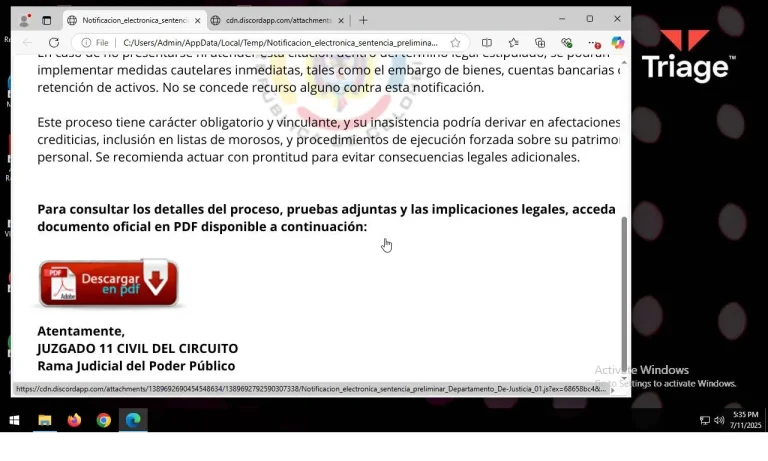
A new report reveals the Blind Eagle hacking group is using spearphishing and commodity RATs to conduct cyber espionage against Colombian government and private sector targets.

A new report reveals a mobile malware campaign in Indonesia impersonating the state pension fund TASPEN to steal financial and personal data from civil servants.

A new report reveals a widespread data theft campaign targeting Salesforce instances. Attackers used compromised OAuth tokens from a third-party app to steal data and credentials.

A new report reveals a persistent phishing campaign targeting ScreenConnect super admins. The stolen credentials are being sold to ransomware affiliates for future attacks.

A new phishing campaign called ZipLine reverses the attack by tricking victims into initiating contact. It targets supply chains and deploys a custom in-memory implant.

NVIDIA has issued a high-severity security update for a flaw (CVE-2025-23307) in NeMo Curator. The vulnerability allows code injection and could compromise AI training pipelines.