Latest news
Apple has sent warnings to a growing number of users, alerting them about highly sophisticated mercenary spyware attacks
Cybercriminals, demonstrating both ingenuity and malice, have initiated a campaign that manipulates GitHub's search functionality to distribute malware
The cornerstone of this campaign is the deployment of Rhadamanthys, an information-stealing malware previously unseen in TA547's arsenal
CVE-2024-27980: Successful exploitation could give attackers the ability to remotely run arbitrary commands on a vulnerable system.
Dubbed CVE-2024-3092, this high-severity Stored XSS issue was promptly neutralized in the latest GitLab release.
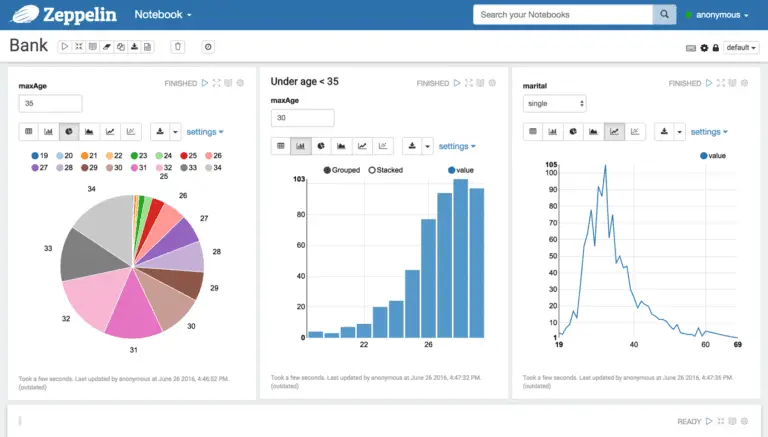
Identified as CVE-2024-31861, this flaw gives attackers a way to inject malicious code through Zeppelin's Shell interpreter
Threat actors are compromising these popular data stores to install the potent Metasploit Meterpreter backdoor.
The popular Content Management System (CMS) WordPress has released a critical security update, addressing a XSS vulnerability
The timing of the artifacts associated with this campaign suggests that Starry Addax may be ramping up its operations.
CVE-2024-26234 status updated: Microsoft confirms active exploitation and public disclosure of the vulnerability.
They're using malicious ads disguised as legitimate software downloads on Google Search to infect the computers of unsuspecting system administrators
Spectre v2, an infamous name that echoes through the corridors of cybersecurity history, has found a new form in CVE-2024-2201
The infamous "Muddled Libra" hacking group is setting its sights on a new frontier: the cloud and Software-as-a-Service (SaaS)
a security researcher from the Zero Day Initiative (ZDI) has uncovered evidence of CVE-2024-29988 being exploited in the wild
CVE-2023-45590 - A "code injection" flaw in FortiClient Linux could allow an attacker to trick a user into visiting a malicious website
The flaw, tracked as CVE-2024-24576, could potentially be exploited by attackers to gain unauthorized control of a system.
CVE-2024-0259 allows low-privileged users to gain elevated privileges, potentially granting them full control over affected systems
The attackers used a malware strain dubbed LazyStealer to pilfer login credentials, demonstrating that even unsophisticated tools
CVE-2023-48788, a vulnerability within the Fortinet FortiClient EMS, a security management solution pivotal
Threat actors deploy malware to hijack legitimate systems, turning them into unwilling participants in the scanning of networks for vulnerabilities
Threat actors behind this operation are strategically leveraging the ScrubCrypt tool, notorious for its antivirus evasion capabilities