
 Do Son
Aaron Perris of MacRumors has revealed that Apple is internally testing an AI chatbot named “Asa”, designed...
Latest news

As quantum computing gradually transitions from the laboratory to real-world applications, IBM and AMD have announced a...

With eSIM technology steadily gaining traction, Apple now appears to be accelerating this transition. According to the...

The SUSE Rancher Security Team has issued a security advisory warning of a high-severity vulnerability in Fleet,...

The ImageMagick team has disclosed a critical vulnerability in its BMP encoder, tracked as CVE-2025-57803, which can...

In April 2025, South Korea’s leading telecommunications provider SK Telecom (SKT) uncovered a long-standing software vulnerability that...

Elon Musk’s artificial intelligence company xAI filed a lawsuit on August 28, 2025, in the U.S. District...

The U.S. Federal Trade Commission (FTC) has recently turned its scrutiny toward Google, questioning whether Gmail’s email...

Windows 11 now offers robust support for USB-C connections, including the ability to detect connection failures, slow...

Elon Musk’s artificial intelligence company, xAI, has announced the launch of a new coding agent model named...

Technology brings together science and innovation to catapult growth in a particular industry. Often, these developments are...

An attacker could exploit the CVE-2022-36066 vulnerability to upload a malicious Zip or Gzip Tar archive file to execute arbitrary code
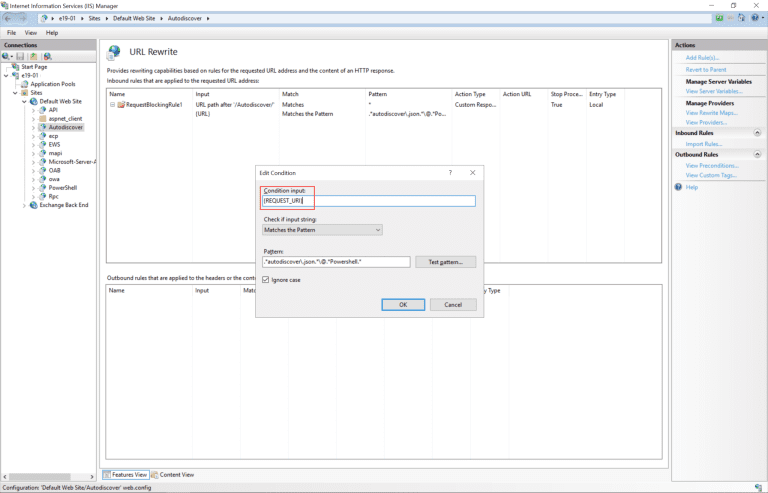
CVE-2022-41040, is a Server-Side Request Forgery (SSRF) vulnerability, CVE-2022-41082, allows remote code execution (RCE)

Andy Nguyen released CVE-2022-2566 PoC exploit code for high FFmpeg heap out-of-bounds memory write vulnerability affecting FFMPEG

Many options are available that let you complete challenging tasks without writing code, for example, DevOps automation...

CVE-2021-43980 was caused by a long-standing concurrency flaw in the simplified implementation of blocking reads and writes

hackers exploit CVE-2022-39261 to read access to private files, contents of other files on the server, database credentials Drupal-powered websites

Though essays have always been considered one of the least critical academic assignments, modern world trends are...

As external security threats are rising and can penetrate the Microsoft 365 security environment, the need for...

Network detection and response (NDR) is an important component of an organization’s security strategies. As IBM Security...

How to Get Package Tracking Information Online? Information access is the hallmark of the internet age, where...
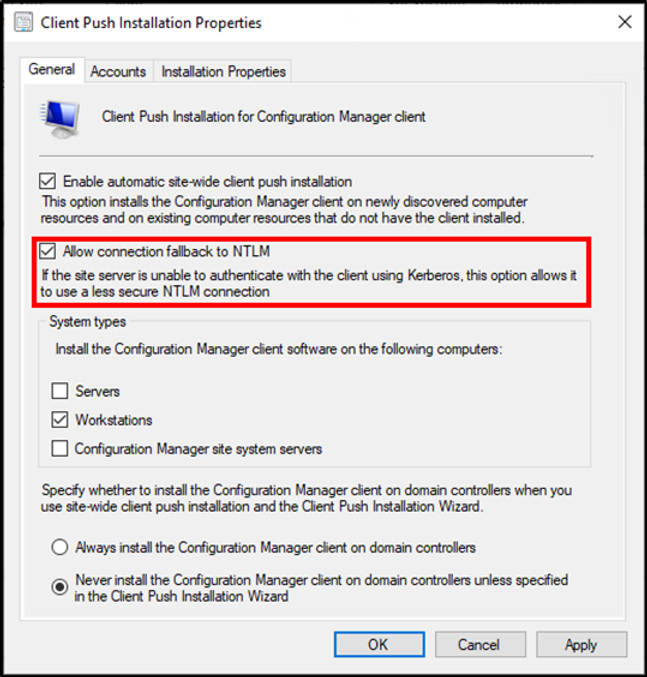
Microsoft did not explain the details of the CVE-2022-37972 vulnerability but said that the vulnerability has been disclosed in advance.

5 tips to find the best Shopify developer for your startup The first step is to find...

Barracuda is a company dedicated to safe internet browsing. Think of the security of e-mail, networks, data,...
By sending a specially-crafted call, an attacker could exploit the CVE-2022-36934 vulnerability to execute arbitrary code on the system.

CVE-2022-35951 has a CVSS score of 7.0 and is described as a heap overflow in Redis 7.0 XAUTOCLAIM command's COUNT argument.

Sophos published a security advisory about CVE-2022-3236, a code injection flaw that affects the User Portal and Webadmin of Sophos Firewall

When it comes to penetration testing, many people think of it as a standalone service that can...

An attacker could exploit the CVE-2022-40955 vulnerability to deserialize and thus achieve remote code execution.

CVE-2022-28721, rated as critical in severity with a 9.8 CVSS scale is a buffer overflow, caused by improper bounds checking
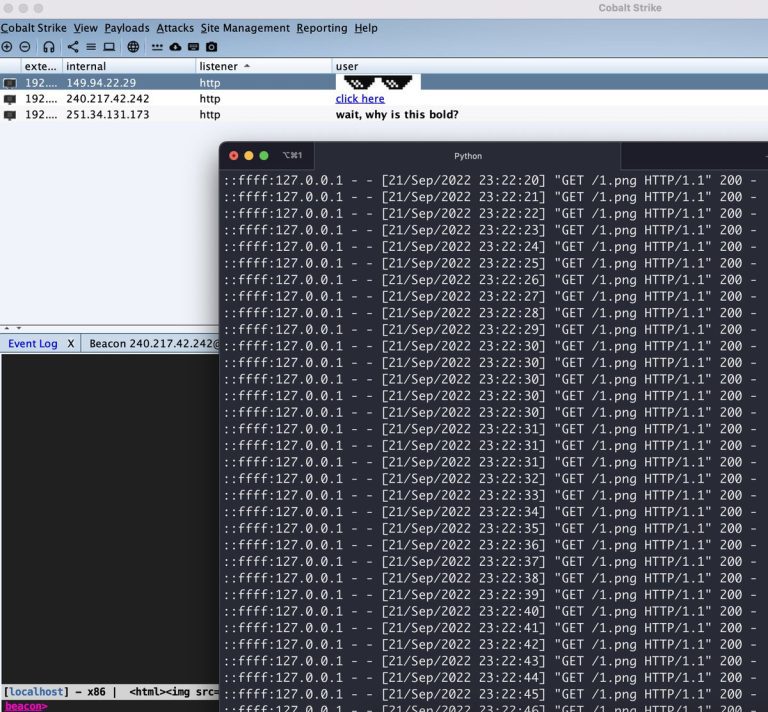
CVE-2022-39197 has been described as an XSS vulnerability in the teamserver that affected the Cobalt Strike version prior to 4.7.1.
Open source is currently making developers’ lives easier by allowing them to build simple functionalities without having...