Policy U-Turn: India Drops Mandatory Sanchar Saathi App After Fierce Opposition
 Do Son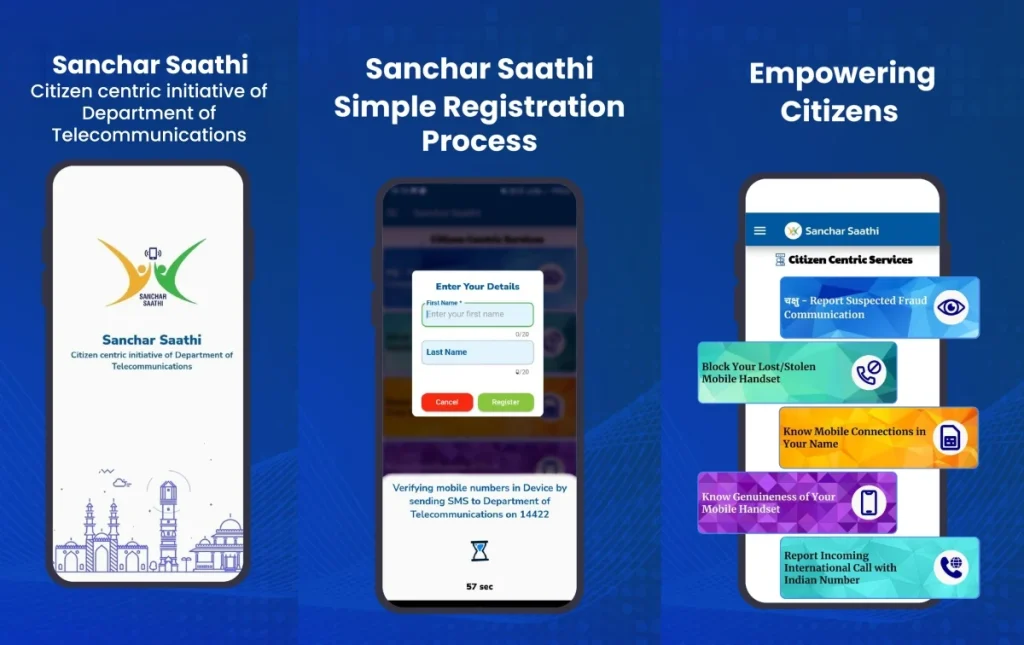
Confronted with fierce resistance from both global tech giants and domestic political forces, the Indian government has abruptly reversed course, announcing that it will no longer require smartphone manufacturers to pre-install the state-run cybersecurity application Sanchar Saathi.
In an attempt to soften the impact of this policy U-turn, the Ministry of Communications attributed the decision to the app’s “strong voluntary adoption.” According to officials, more than 14 million users—roughly 1% of India’s population—have already downloaded the application.
“The number of users is rising rapidly,” the statement reads. “The original mandate was intended to accelerate adoption and ensure that citizens with lower digital awareness could easily access the app.” With voluntary downloads now deemed satisfactory, the government has decided to withdraw the compulsory requirement and keep the app strictly optional.
Yet observers broadly agree that the true catalyst for the reversal lies in the unyielding opposition from major smartphone makers and the mounting political pressure surrounding the mandate.
Reuters previously reported that Apple, citing privacy and security concerns, made it clear it would not comply with the government’s pre-installation order. Samsung soon followed, signaling its own refusal to cooperate.
India’s opposition leaders also waded into the dispute, questioning the legal basis under which the Modi administration sought to impose an unremovable government app on citizens. The Electronic Frontier Foundation (EFF) welcomed the rollback, calling the original proposal “a terrible and dangerous idea,” and praised local digital rights groups—including SFLC.in and the Internet Freedom Foundation (IFF)—for their timely resistance.
Although Sanchar Saathi is marketed as an anti-fraud and device-tracking tool, its privacy policy permits the app to place calls, send messages, and access call logs, files, photos, and the device camera—raising concerns among privacy advocates that it could serve as a backdoor for large-scale government surveillance.
Very few democratic nations have embraced such aggressive pre-installation mandates. Apart from Russia’s recent requirement to preload the state-backed communications app MAX, comparable measures remain exceedingly rare on the global stage.
Related Posts:
- Privacy Alert: India Mandates Undeletable Sanchar Saathi App on All New Smartphones
- Europol Dismantles Romanian Gang Behind €580K ATM Fraud, Skimming, and Bold Police Taunts
Support Our Threat Intelligence
Find our tech and OS security coverage helpful? Support our work today and unlock a 100% ad-free reading experience!
 Buy Me a Coffee
