Steam Frame VR Unveiled: Valve’s Standalone Headset Targets Quest with Snapdragon & Foveated Streaming
 Do Son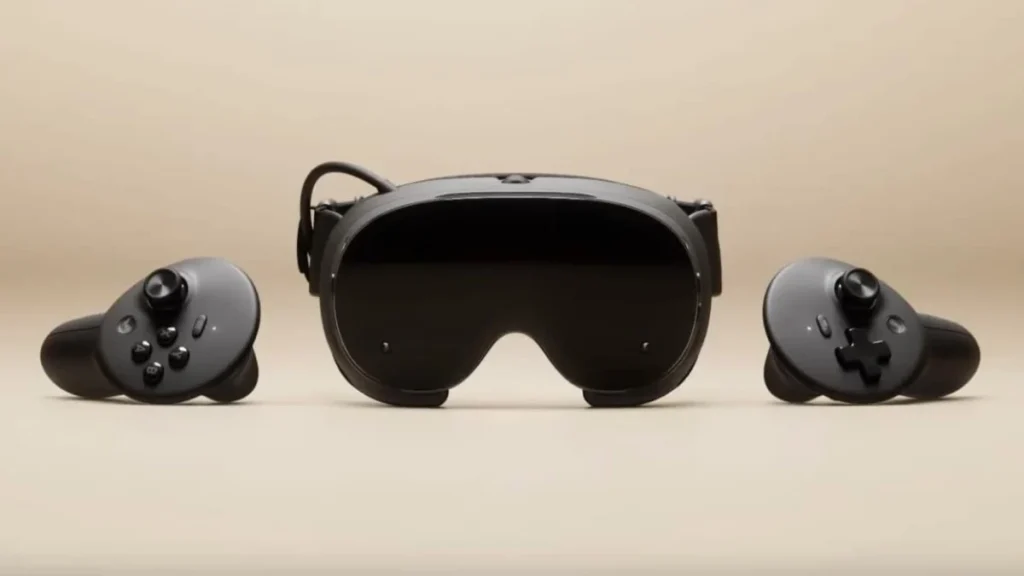
Following the enormous success of the Steam Deck in the handheld market, Valve has now formally unveiled the long-rumored VR headset codenamed “Deckard”—officially introduced as Steam Frame. Announced earlier today, this new device embraces a streaming-first philosophy while still supporting full standalone operation, and is slated to launch in early 2026 alongside the new Steam Machine and Steam Controller.
Much like the Meta Quest series, the Steam Frame functions as a completely self-contained computing device. Its core specifications include a Qualcomm Snapdragon 8 Gen 3 processor, 16 GB of memory, up to 1 TB of UFS storage, and a microSD expansion slot.
Running on SteamOS, the device will also be backed by a new Steam Frame Verified certification program. Notably, Valve has confirmed that the headset will support Android games, signaling a clear intention to attract developers who have been building VR content for Android-based headsets such as the Quest.
For connectivity, the Steam Frame offers Wi-Fi 7 and Bluetooth 5.3. For those who wish to stream high-fidelity PC titles, Valve has engineered a plug-and-play 6 GHz wireless transmitter featuring a dual-radio design to minimize interference and ensure pristine streaming performance.
On the visual front, the Steam Frame employs slim, lightweight pancake lenses, paired with dual LCD panels—each offering a resolution of 2160 × 2160—supporting refresh rates up to 144 Hz and a 110-degree field of view.
To enhance the quality of wireless streaming, Valve has introduced a technology called Foveated Streaming. Using two built-in eye-tracking cameras, the system dynamically increases visual fidelity in the region the user is actively focusing on. Valve claims this approach achieves a tenfold improvement in effective image quality and bandwidth efficiency.
For comfort, the Steam Frame adopts a balanced front-and-rear weight distribution. Its 21.6 Wh lithium battery is mounted at the back of the head strap, counterbalancing the front module and keeping total weight under 440 grams (185 g for the core unit + 245 g for the headband). The device also supports 45 W fast charging.
The headset employs inside-out tracking with four high-resolution monochrome cameras and infrared LEDs for improved low-light tracking, and it includes monochrome passthrough capabilities.
The bundled Steam Frame controllers feature a split design with full 6-DOF tracking. Valve has opted for magnetic thumbsticks rather than Hall-effect joysticks, though the controllers still support capacitive finger sensing. Powered by AA batteries, they offer approximately 40 hours of use per charge.
Although Valve has not yet revealed pricing, the dual emphasis on standalone functionality and high-quality PC streaming positions Steam Frame as a formidable re-entry into the VR arena after several quiet years.
Together with the new Steam Machine and Steam Controller, all upcoming Steam hardware for the Asian market will be distributed through Komodo in Japan, South Korea, Taiwan, and Hong Kong.
Related Posts:
- SteamOS Arrives: The Handheld Gaming Revolution
- Steam Bolsters Security with SMS Confirmations Amid Malware Scare
- Steam Store Gets a Massive Redesign: Wider Pages, New Trailer View, and Hi-Res Images
Support Our Threat Intelligence
Find our tech and OS security coverage helpful? Support our work today and unlock a 100% ad-free reading experience!
 Buy Me a Coffee
