
 Do Son
Google Project Zero uncovers a zero-click exploit on Pixel 9 in Jan 2026. Hackers can hijack the kernel via silent audio messages. Patch now!
Android security

Infoblox researchers hijacked a scam network using the "Sitting Ducks" DNS flaw. 57M logs reveal how abandoned domains fuel global push notification spam.

Telegram confirms a January 2026 flaw where clicking "proxy links" can leak your real IP. A new warning prompt is coming to protect Android & iOS users.

The Chronomaly exploit weaponizes CVE-2025-38352, a Linux kernel race condition. It allows any local user to gain root access across Android and Linux.

MediaTek's Jan 2026 bulletin reveals critical modem flaws and memory corruption risks across dozens of chipsets. Update your device to stay safe!

PoC exploit for CVE-2025-38352 reveals a critical race condition in Linux POSIX timers, leaving 32-bit Android devices vulnerable to kernel corruption.
Group-IB uncovers "Wonderland," a bidirectional Android SMS stealer in Uzbekistan that uses Telegram droppers to drain bank accounts and hijack sessions.

RSF uncovers ResidentBat, a Belarusian KGB spyware physically installed during interrogations to hijack encrypted messages and monitor journalists.

Google’s December update fixes a Critical DoS flaw (CVE-2025-48631) and two actively exploited zero-days (Info Disclosure/EoP). Kernel (PKVM) and Framework components are at high risk. Update to 2025-12-05 immediately.

A critical boot flaw (CVE-2025-47372) exposes Snapdragon 8 Gen 3 and 5G modems to attack. Qualcomm's December update fixes 11 issues. Patch now.

RelayNFC is a new, zero-detection Android malware targeting Brazil that turns the victim's phone into a remote card reader to steal data and complete real-time contactless payments.

Google's November 2025 update fixes a Critical RCE flaw (CVE-2025-48593) in the Android System component. Exploitation requires no user interaction and affects Android versions 13 through 16.


A new PoC reveals a race condition in Qualcomm's KGSL GPU driver (CVE-2024-38399). Two threads can access the same list simultaneously, leading to a Use-After-Free vulnerability.

Google’s built-in Password Manager for Android already offers a comprehensive suite of features, including support for TOTP...

MediaTek’s May 2025 bulletin reveals high-severity modem flaw CVE-2025-20666 & Android bugs risking denial of service & local privilege escalation

Kaspersky warns that Triada Trojan now comes pre-installed in counterfeit Android device firmware, making it nearly impossible to remove without reinstallation.

CISA has added Linux kernel vulnerabilities CVE-2024-53197 and CVE-2024-53150 to its KEV catalog, warning of active exploitation. Learn how these flaws are used in Android device exploits and what steps to take.
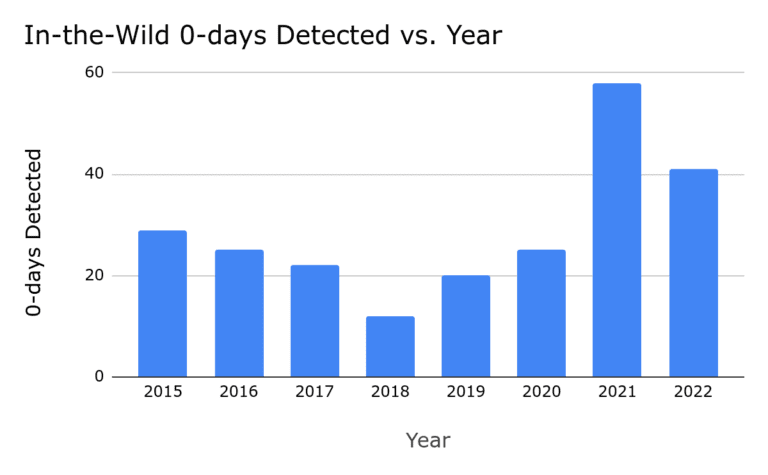
The report states that the extended time for Android patches to reach user devices compromises Android's security.
Mobile devices are increasingly powerful and store user-sensitive content. However, it is not easy to ensure that...
Which platform is more secure, iOS or Android? I believe that even Android users will vote for their...