
 Do Son
A new ChatGPT feature exposed over 100,000 private conversations to search engines. The links remain accessible on the Internet Archive and elsewhere.
privacy
OpenAI has disabled a ChatGPT feature that leaked private conversations to Google Search after users unknowingly enabled indexing, exposing sensitive data and resumes.

TikTok unveiled new trust and safety features on July 30, including enhanced Family Pairing, Well-being Missions to foster healthy habits, and creator support tools for a safer platform.

Apple formally responded to the DOJ antitrust lawsuit, arguing the government's claims are misleading and would harm iPhone's security, privacy, and innovation.

Trae IDE, an AI-powered programming tool and integrated development environment (IDE) developed by ByteDance, has recently come...

Microsoft Edge introduces "Copilot Mode," an experimental AI feature allowing the assistant to analyze all open tabs and Browse history for enhanced, context-aware assistance.


An EU open-source Android age verification app is sparking controversy due to its reliance on Google Play Integrity API, raising concerns over digital sovereignty and excluding users with custom ROMs.

The women-only dating app, Tea, suffered a data breach, leaking 72,000 images, including 13,000 selfies and ID documents, from users who registered before February 2024.

Proton introduces Lumo AI Assistant, an end-to-end encrypted AI tool that guarantees no user data is used for training, offers a "Ghost Mode," and runs on open-source models in Europe.

Italian researchers developed "WhoFi," an AI-powered system using Wi-Fi signal reflections from the human body to identify individuals with 95.5% accuracy, even without devices.

Brave Browser will now block Microsoft's AI-powered Recall feature in Windows 11 by default, extending its private Browse logic to all tabs due to privacy risks.

The UK government is reportedly reconsidering its secret demand for an iCloud backdoor after US criticism and Apple's decision to disable Advanced Data Protection for UK users.

DuckDuckGo introduces a new feature allowing users to filter AI-generated images from search results, leveraging open-source blocklists to combat misleading content.

Mark Zuckerberg and other Meta executives have settled an $8 billion shareholder lawsuit linked to repeated privacy violations from the 2018 Cambridge Analytica scandal.

Lookout Threat Lab reveals Massistant, a powerful new mobile forensics app from China's Meiya Pico, used by law enforcement to extract vast user data from seized phones.
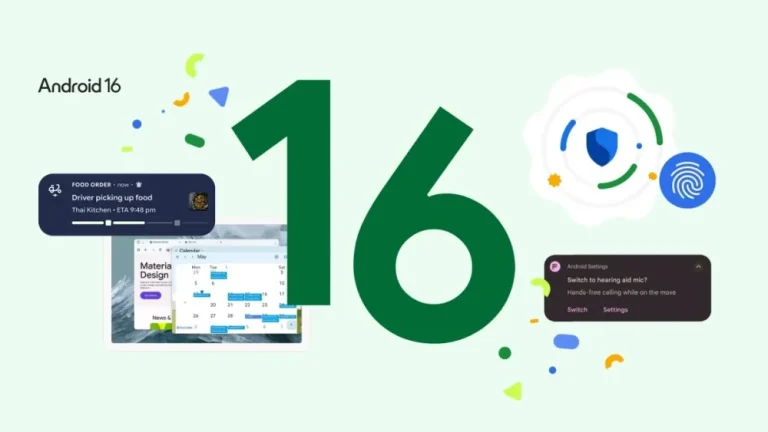
Android 6.0+ is getting a new "System Services" settings page, centralizing visibility and management of Google's essential background apps for enhanced transparency.
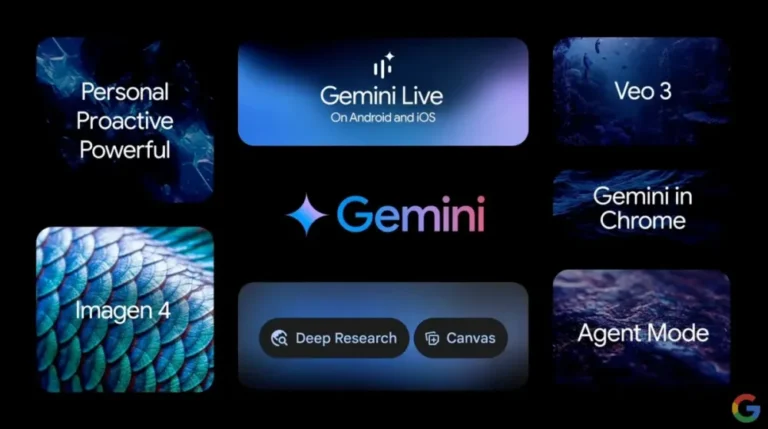
Google Gemini AI now accesses your Android phone, messages, and WhatsApp by default, overriding privacy settings. Users must manually disable this intrusive cross-app integration.

Google's Advanced Protection Program now offers device-level security for Android, bringing HTTPS-Only Mode, full Site Isolation, and disabled JS optimizers to Chrome for high-risk users.

Jack Dorsey launches "Bitchat," a new Bluetooth-based app for decentralized, P2P messaging without internet. It uses mesh networking and encryption for communication in restrictive environments.

Taiwan's National Security Bureau warns against Chinese apps like TikTok, WeChat, and Rednote, citing excessive data collection and transfer to China as national security risks.

Google Chrome now collects hardware data to assess Windows 11 upgrade eligibility as Windows 10 nears EOL, informing Chrome's future support. ESU program offers one year of updates.