 Do Son
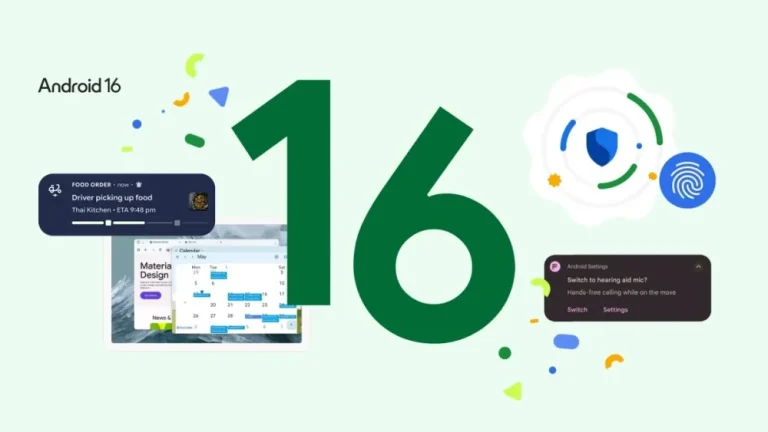
Android 6.0+ is getting a new "System Services" settings page, centralizing visibility and management of Google's essential background apps for enhanced transparency.
privacy
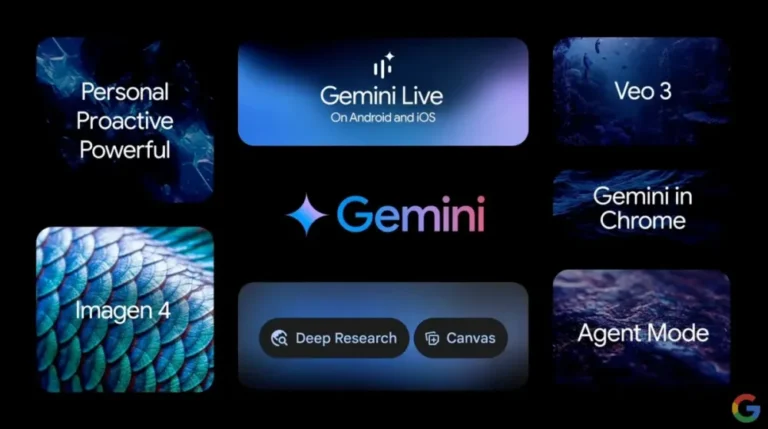
Google Gemini AI now accesses your Android phone, messages, and WhatsApp by default, overriding privacy settings. Users must manually disable this intrusive cross-app integration.

Google's Advanced Protection Program now offers device-level security for Android, bringing HTTPS-Only Mode, full Site Isolation, and disabled JS optimizers to Chrome for high-risk users.

Jack Dorsey launches "Bitchat," a new Bluetooth-based app for decentralized, P2P messaging without internet. It uses mesh networking and encryption for communication in restrictive environments.

Taiwan's National Security Bureau warns against Chinese apps like TikTok, WeChat, and Rednote, citing excessive data collection and transfer to China as national security risks.

Google Chrome now collects hardware data to assess Windows 11 upgrade eligibility as Windows 10 nears EOL, informing Chrome's future support. ESU program offers one year of updates.
Meta is testing "Project Omni," enabling its AI chatbots to proactively initiate conversations based on user interactions, aiming to deepen engagement and boost generative AI revenues.

iOS 26 introduces new Communication Safety features, including full-screen warnings for sensitive content in FaceTime calls, surprisingly applying to adults and processed on-device

Android 16 introduces new "Mobile Network Security" features, including network alerts and 2G protection, to detect and counter Stingray devices, requiring IRadio HAL 3.0 modem support.
Meta AI is testing a feature to access unuploaded photos from your camera roll for content suggestions, sparking privacy concerns despite claims it's opt-in and not for ad targeting

Mozilla has updated its Add-ons store policies (effective Aug 4, 2025), lifting the ban on closed-group extensions, clarifying data consent, and simplifying privacy policy hosting.

CapCut's updated TOS (June 12, 2025) grants ByteDance a perpetual, worldwide license to use user content, including likeness and voice, for any purpose without compensation or approval.

Windows 11's Recall feature now allows EU users to export snapshots for sharing with third parties, but with strict security measures and a one-time export code.

Mastodon updates its Terms of Service, formally prohibiting unauthorized AI data scraping and LLM training, effective July 1, 2025. Other Fediverse instances may follow.

Apple confirms a complete Siri redesign, but the revamped AI assistant may not arrive until iOS 26.4 in Spring 2026, facing accusations of misleading marketing.
iOS 26's Passwords app now lets users view the complete history of saved credentials, making it easier to recover overwritten or forgotten passwords.

A new report reveals over 40,000 internet-connected security cameras are exposed online, streaming live footage without protection, risking privacy globally.

A patched Google flaw allowed researchers to extract linked phone numbers without user notification. The vulnerability is now fixed, and no exploits were detected.

Microsoft Edge is rolling out an AI-powered history search that uses on-device AI for fuzzy search. It comes with privacy safeguards, and IT can disable it.

iOS 26 introduces "Liquid Glass" design and major updates to Phone, Maps, CarPlay, and Camera, powered by Apple Intelligence, emphasizing privacy.

Researchers found Meta and Yandex secretly tracked Android users via localhost, linking web activity to app IDs, even in Incognito. This widespread abuse bypassed privacy controls.
Apple may suspend AirDrop, AirPlay, and seamless device pairing in the EU due to Digital Markets Act mandates, citing privacy and user experience concerns.