
 Do Son
This vulnerability, known as CVE-2023-6553 (CVSS 9.8), impacts the Backup Migration plugin used by over 90,000 websites.
wordpress

While WordPress Core currently does not have any known object injection vulnerabilities, they are rampant in other plugins and themes.

Designated as CVE-2023-6316, the security vulnerability received a CVSS score of 9.8, categorizing it as critical.

It warns of a remote code execution vulnerability on the user's site, citing the non-existent CVE-2023-45124.
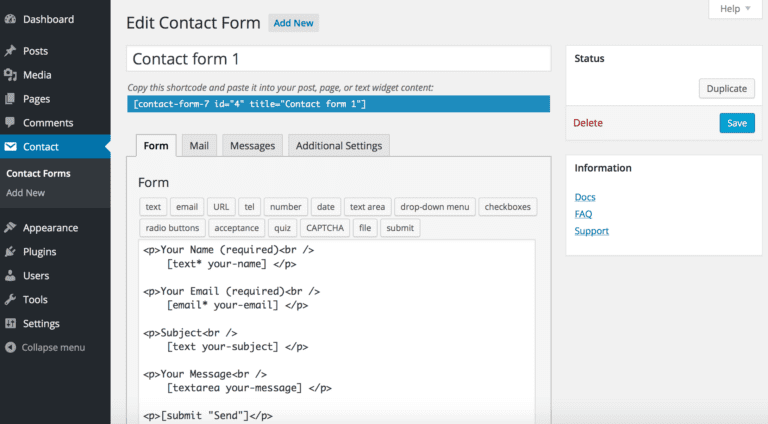
Contact Form 7, a popular WordPress plugin with over 5 million installations, has been found to harbor a vulnerability (CVE-2023-6449)

The CVE-2023-4372 bug is a critical stored Cross-Site Scripting (XSS) vulnerability in the LiteSpeed Cache plugin

The consequences of CVE-2023-41955 are significant. An attacker with administrator privileges could do anything they want to the website

The CVE-2023-3162 vulnerability lies in the way the plugin handles user authentication during a Stripe checkout.

The Abandoned Cart Lite for WooCommerce - Authentication Bypass vulnerability, which is tracked as CVE-2023-2986, has a CVSS score of 9.8.

Identified as CVE-2023-2732 and assigned a troubling Common Vulnerability Scoring System (CVSS) score of 9.8

The CVE-2023-32960 vulnerability could lead to a more insidious Stored Site-Wide Cross-Site Scripting (XSS) attack on the wp-admin area

CVE-2023-2499 (CVSS score of 9.8) is an authentication bypass vulnerability present in RegistrationMagic versions up to and including 5.2.1.0

Researcheruncovered a privilege escalation vulnerability (CVE-2023-30869) in the Easy Digital Downloads plugin versions 3.1.1.4.1 and below

The exploitation of the CVE-2023-28787 vulnerability could allow a malicious actor to directly interact with a website's database

CVE-2023-1912, unauthenticated stored XSS vulnerability has been identified in the popular WordPress plugin Limit Login Attempts

CVE-2022-4939, with a CVSS score of 9.8, is a severe security flaw affecting WCFM Membership versions up to and including 2.10.0

Plugin is estimated to have 50,000 active installations, with the flaw (CVE-2022-45359, CVSS score: 9.8) affecting versions prior to 3.20.0

W3Techs released the latest CMS content management system’s popularity statistics report and found that Alexa ranked top ten million...
According to securityaffairs, January 23 news, security researchers recently released WordPress plugin and theme of vulnerability statistics in...
According to foreign media reports on December 26, 14 WordPress malicious plugin discovered and deleted by the WordPress...
WordFence security experts found that Captcha WordPress plugin that downloads as much as 300,000 times, hides a backdoor...