The iPhone’s Shadow: Why the MacBook Neo is Trapped with 8GB of RAM and a Single Chip
 Do Son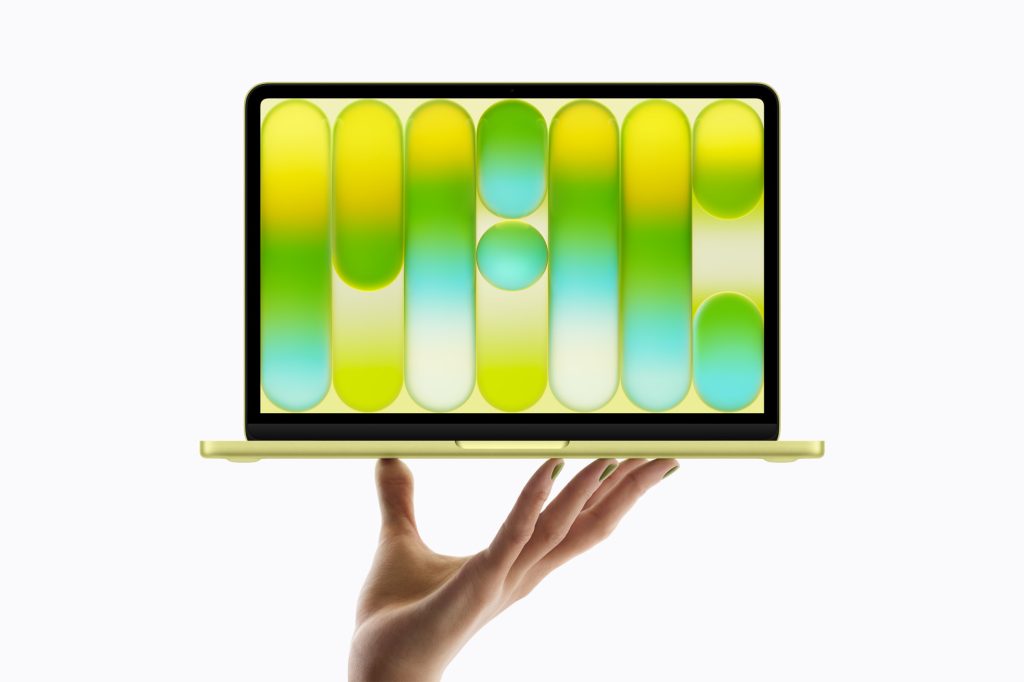
Customarily, the MacBook iterations unveiled by Apple encompass a diverse array of memory and storage configurations. However, the newly minted MacBook Neo departs from this tradition by exclusively offering a solitary 8GB memory configuration, albeit preserving the liberty to select either a 256GB or a 512GB solid-state drive.
The primary impediment to offering varied memory tiers lies in the MacBook Neo’s beating heart: the A18 Pro silicon. This processor employs the exact same TSMC InFO-POP packaging architecture found within the iPhone 16 Pro.
While amalgamating the memory and the processor into a singular, cohesive package poses no conundrum for the iPhone—given its intrinsically fixed memory architecture devoid of any premium upgrade pathways—this paradigm proves decidedly restrictive when transplanted into a laptop chassis.
Constrained by the architecture of the A18 Pro chip and its intimately fused memory modules, Apple is relegated to offering a mere 8GB of RAM on the MacBook Neo. Were the corporation inclined to integrate the impending A19 Pro silicon, the memory ceiling could ostensibly be elevated to 12GB.
Naturally, the adoption of the A19 Pro architecture introduces an entirely disparate financial calculus. The MacBook Neo is resolutely positioned as an ultra-entry-level device. Amidst currently inflated memory prices, transitioning to a 12GB capacity would not only necessitate exorbitant foundry expenditures for the A19 Pro but also incur elevated costs for the memory modules themselves. Under such fiscal burdens, sustaining the highly accessible $599 price point would prove profoundly arduous.
At present, the MacBook Neo is enduring a rather tepid reception, largely owing to the draconian compromises inflicted upon this ultra-entry-level machine. For instance, the inclusion of a Touch ID biometric module—essential for expeditious unlocking—demands a steep $100 premium, and the trackpad has been conspicuously stripped of any haptic feedback mechanisms.
Nevertheless, for the casual demographic whose digital endeavors are confined to web browsing, rudimentary correspondence, and lightweight office applications, the MacBook Neo should prove moderately sufficient. Assuming one exercises restraint in multitasking, an 8GB memory reservoir will likely suffice, albeit barely, for such pedestrian pursuits.
Support Our Threat Intelligence
Find our tech and OS security coverage helpful? Support our work today and unlock a 100% ad-free reading experience!
 Buy Me a Coffee
