 Do Son
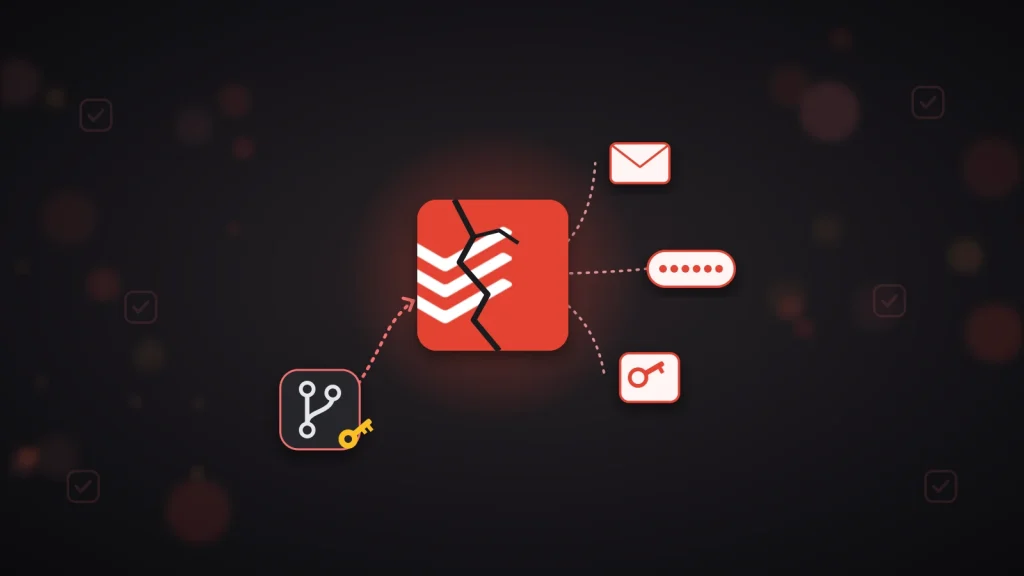
Task manager Todoist recently disclosed a data breach in a public security notice. On November 23, 2026, attackers broke into its live systems and stole user data. Specifically, the leak hit roughly 6% of users via older account records. The stolen files hold email details, password hashes, and signup dates.
In addition, the event hit a small pool of API tokens, task notes, and linked Outlook emails. However, Todoist states that its team has now blocked the attack path. Next, the firm will send direct email alerts to all impacted users.
Stolen Legacy Hashes and Exposed Account Data
First, Todoist stressed that the leaked records used salted SHA-1 hashes rather than plain text. While salting slows down mass cracking, older hash types still face password-guessing risks.
Years ago, Todoist stopped using this weak format for all new passwords. Even so, some long-term users never updated their logins over the decades. Thus, the platform still held their old hashes on file. Following this breach, Todoist has fully retired its salted SHA-1 system.
Other Impacted User Groups
Beyond legacy hashes, the attackers also reached three smaller slices of the user base.
- Roughly 0.003% of users lost Todoist API tokens and Slack link tokens.
- About 0.001% of users had tasks, notes, or file names scanned for API keys or access tokens.
- Another 0.001% of users saw attackers tap into their mail through the Todoist for Outlook add-in to grab private data.
How Stolen Dev Logins Sparked the Intrusion
According to Todoist’s probe, the breach began between November 22 and November 23. First, the attackers used a stolen login tied to its version control setup. Then, they altered build workflows across three code repos to harvest fresh keys. Crucially, one key let them change how staff sign in to internal tools. Using that flaw, the threat actors took over a staff member’s account.
Cloud Access and Source Code Review
From that staff account, the hackers pivoted into Todoist’s cloud systems and live databases. Meanwhile, the intruders could also read private source code during the breach. Still, Todoist found no signs that the attackers altered its app code.
Support Our Threat Intelligence
Find our threat intelligence and malware analysis helpful? Support our work today and unlock a 100% ad-free reading experience!
 Buy Me a Coffee
