The “Vibe” vs. The Vault: Why Apple is Blocking the Next Wave of Generative AI Startups
 Do Son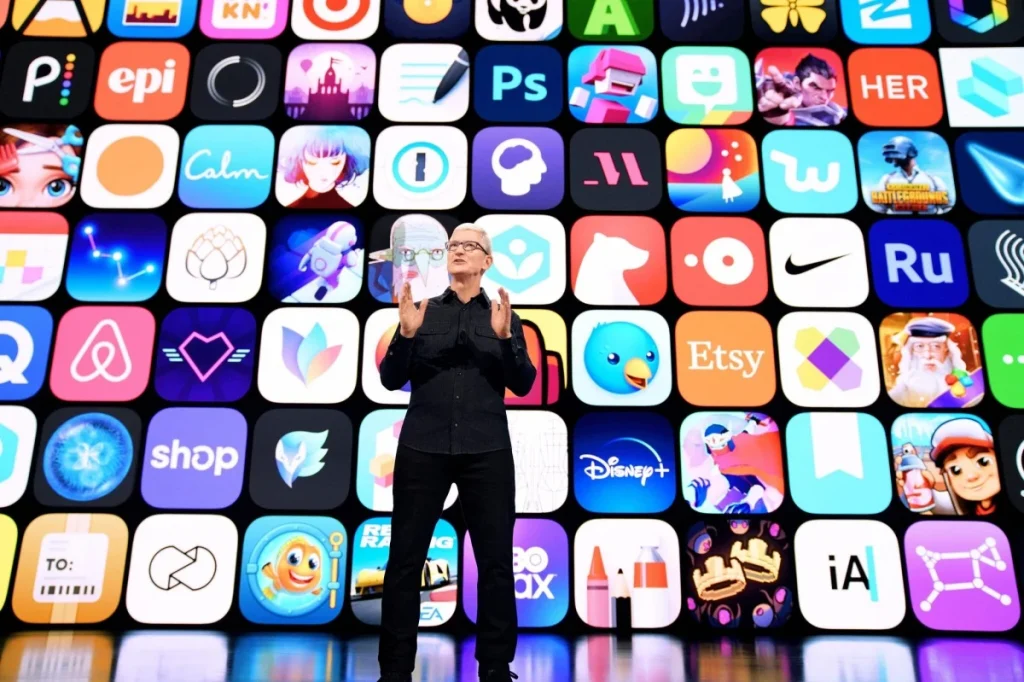
With the ubiquity of generative artificial intelligence, a nascent operational paradigm known as “Vibe Coding” is rapidly ascending. This modality prioritizes the synthesis of unique code and interactive experiences predicated upon the user’s emotions and tonal directives. However, this wave of innovation, spearheaded by agile startups, is currently colliding with the formidable bulwark of Apple’s App Store security protocols.
Numerous developers have lamented that Apple, citing potential cybersecurity vulnerabilities and latent exploits, is significantly obstructing or summarily rejecting the publication of these AI-driven applications. This tug-of-war between the tech titan and nascent teams has once again propelled the controversy surrounding the App Store’s perceived monopoly into the global spotlight.
To contextualize this friction, one must first comprehend the essence of a “Vibe Coding” application. Unlike conventional utilities characterized by explicit functional logic and rigid interfaces, these next-generation applications emphasize “emotional resonance.” By analyzing user inputs—be they vocal inflections, textual nuances, or even keystroke rhythms—they generate bespoke content in real-time. This profound reliance on “black box” algorithms and instantaneous generation, while offering an unprecedented personalized experience, simultaneously agitates the most sensitive nerves of Apple’s review apparatus.
Apple’s official stance remains resolute: security is paramount. The corporation contends that applications heavily reliant on real-time AI generation harbor unpredictable security risks. Could the AI be manipulated via Prompt Injection to synthesize malicious code? Might it inadvertently exfiltrate sensitive user telemetry? In light of these anxieties, Apple has instituted more rigorous control measures within its review cycle.
The consequence is a multitude of startups facing indefinite periods of stagnation or outright rejection. For these resource-constrained teams, being excluded from the iOS ecosystem is tantamount to a commercial death sentence. The developer community has responded with severe allegations, focusing on several critical dimensions:
- Stifling Innovation: Proponents argue that Apple’s excessive security mandates are impeding the deployment of AI technology within the consumer market. They characterize this as “monopolistic bullying,” suggesting that giants like Apple—who are concurrently developing Apple Intelligence—may be utilizing regulatory frameworks to suppress nascent competitors.
- Impairing User Experience: The protracted and opaque review process deprives iOS users of the most groundbreaking AI advancements, effectively curtailing consumer choice.
The repercussions of this conflict transcend mere application distribution. Industry observers suggest this friction will likely attract the scrutiny of regulatory bodies, further fueling legislative debates regarding App Store governance and fair competition. Antitrust authorities, such as those overseeing the EU’s Digital Markets Act, will undoubtedly examine whether tech behemoths are leveraging their “gatekeeper” status to marginalize competition under the guise of “security.”
The controversy surrounding “Vibe Coding” apps serves as a quintessential microcosm of the contemporary technological dilemma: how to strike an equilibrium between embracing the boundless potential of AI and maintaining the absolute integrity of a platform’s ecosystem.
Apple’s apprehensions are not entirely without merit; generative AI is indeed susceptible to “hallucinations” and adversarial attacks. Should an emotionally-aware application begin maliciously inducing users or compromising data due to algorithmic flaws, the impact on Apple’s carefully curated brand image of “privacy and security” would be catastrophic.
Yet, the protestations of the startups are equally valid. In an era where AI advances with breathtaking velocity, the App Store’s traditional, rigid, and time-consuming review mechanisms are increasingly antiquated. Unless Apple swiftly articulates a clearer, more transparent, and efficient standard for AI-generated applications, it risks not only the stigma of obstructing progress but also ceding the most innovative applications of the AI era to more open platforms.
Support Our Threat Intelligence
Find our tech and OS security coverage helpful? Support our work today and unlock a 100% ad-free reading experience!
 Buy Me a Coffee
