Project 20/20: Microsoft’s Radical Plan to Cure Windows 11’s “Memory Hunger”
 Do Son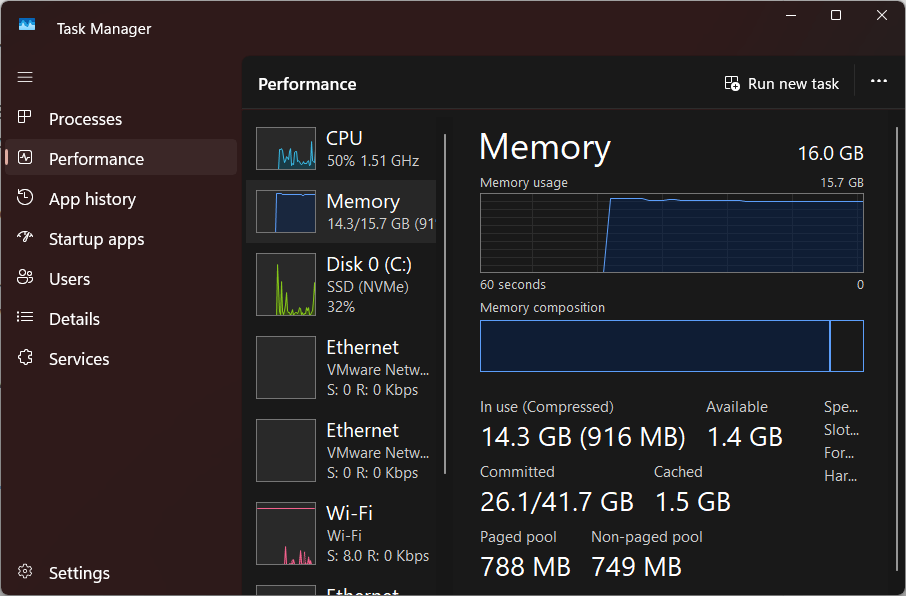
Image: Windowslatest
Microsoft recently promulgated a dispatch detailing a myriad of optimizations destined for Windows 11 in 2026, prominently featuring a concerted endeavor to curtail the operating system’s intrinsic memory consumption. In an epoch characterized by stringent memory constraints, this initiative is of paramount importance; a diminished systemic footprint inherently empowers patrons to operate a grander multitude of software applications concurrently.
Upon perusing Microsoft’s proclamation, former executive Mikhail Parakhin took to the X platform to unveil an optimization stratagem christened Project 20/20. Hitherto relegated to dormancy, this ambitious endeavor appears to have been recently resurrected.
The cardinal objective of Project 20/20 is to diminish the storage footprint of a pristine Windows 11 installation by twenty percent, whilst simultaneously curtailing the system’s innate memory consumption by an identical margin. Such an achievement would bestow seamless operability upon a broader spectrum of modestly provisioned apparatuses.
Should this optimization be triumphantly consummated, the quintessential memory encumbrance of Windows 11 would plummet from a typical 6GB to a mere 4.8GB. Nevertheless, during Parakhin’s tenure, Project 20/20 was unceremoniously mothballed, buckling beneath the immense weight of profound architectural realignments and the relentless exigencies of developing nascent features, integrating labyrinthine cloud services, and infusing the system with artificial intelligence capabilities.
Windows 11 marshals a staggering legion of background services that vastly eclipses its predecessor, Windows 10. This expansive roster encompasses telemetry architectures, search indexing apparatuses, Microsoft Defender’s vigilant real-time sentinels, the ceaseless refreshment of widgets and dynamic tiles, and the ubiquitous synchronicity of OneDrive.
Whilst these anticipatory preloading mechanisms undeniably elevate the perceptual celerity of the system, they simultaneously mandate the ceaseless consumption of substantial memory reserves, even during epochs of absolute idleness. For apparatuses of modest or intermediate prowess, this paradoxically engenders a profound degradation in systemic responsiveness.
Any discourse regarding memory encumbrance necessitates a profound examination of the WebView2 Runtime architecture deeply embedded within Windows 11. The paramount virtues of this framework lie in its developmental expediency and the seamless facility of cloud-based recalibration; alas, its Achilles’ heel is a voracious, enduring appetite for background memory.
Furthermore, extrapolated from empirical user engagements, the tactile experience bestowed by the WebView2 architecture is undeniably deleterious. The starkest manifestation of this flaw is the palpable sluggishness afflicting the recommended echelon of the Start menu, a direct consequence of its reliance upon this very framework.
Windows 11 indiscriminately wields a sprawling mosaic of disparate frameworks, encompassing Win32, UWP, WinUI, and React. As disparate components inextricably rely upon sovereign rendering pipelines, this fragmentation invariably precipitates a profoundly superfluous expenditure of memory.
Consequently, within their most recent dispatch, Microsoft articulated a resolute intent to migrate pivotal components, such as the Start menu, unto the native sanctuary of the WinUI 3 framework. This transition promises not merely a mitigation of the memory footprint, but a profound elevation of the overarching user experience.
Whilst Microsoft has solemnly pledged to orchestrate this optimization of Windows 11, the empirical reality demands our unwavering and continuous scrutiny; ultimately, the triumphant realization of the 20/20 paradigm remains an exceedingly arduous endeavor.
The monumental undertaking of migrating from the WebView2 architecture to the WinUI 3 framework invariably demands a colossal mobilization of human capital. Yet, should this monumental objective be realized, Microsoft stands poised to bestow upon its patrons a profoundly more ethereal, exquisitely efficient desktop ecosystem.
Support Our Threat Intelligence
Find our tech and OS security coverage helpful? Support our work today and unlock a 100% ad-free reading experience!
 Buy Me a Coffee
