 Do Son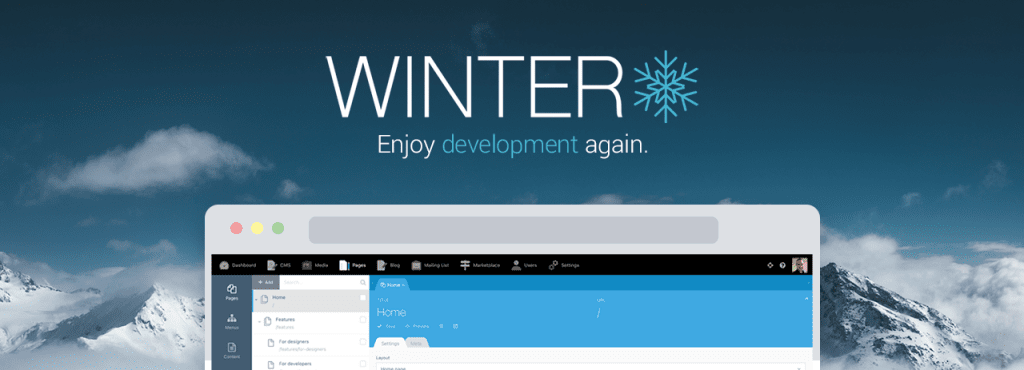
Winter CMS, the popular open-source content management system favored by developers for its Laravel-based simplicity and rapid prototyping, has issued an urgent security update. The vulnerability, tracked as CVE-2026-27591, has been assigned the maximum possible CVSS score of 10, signaling a critical threat to system integrity.
Route critical CVEs to one Slack channel, everything else to another.
Try Team free for 14 daysThe flaw targets the core of the platform’s access control, potentially allowing low-level users to seize total control of a website.
The security issue resides in how Winter CMS handles account roles and permissions within its administrative backend. Under certain conditions, an authenticated backend user—even one with the most restricted level of access—could manipulate their own account privileges.
By sending “specially crafted requests” while logged in, an attacker can bypass intended restrictions to modify the roles or permissions assigned to them. This effectively allows a junior administrator or a restricted editor to escalate their account level, granting themselves full system access.
“To actively exploit this security issue, an attacker would need access to the Backend with a user account with any level of access,” the advisory notes.
In response to the discovery, Winter CMS maintainers have implemented multiple layers of protection to ensure the platform remains a “safe and secure codebase”. The fixes include “defence in depth” measures designed to prevent both the current exploit and future variations of privilege escalation attacks at the lowest possible level.
Recognizing the widespread use of the platform, the security patches have been backported across all major versions, ensuring that even legacy installations can be secured.
The maintainers “strongly recommend” an immediate update for any site that relies on the Winter CMS roles and permissions system.
Affected and Fixed Versions:
- Winter 1.0: Fixed in version 1.0.477
- Winter 1.1: Fixed in version 1.1.12
- Winter 1.2: Fixed in version 1.2.12
For most users, the recommended path is to update immediately to the latest release within their current version branch. For organizations that find themselves unable to perform a full upgrade right away, the maintainers have provided a manual alternative. Developers can manually apply the specific code changes from the new releases to their existing installations to resolve the issue.
Support Our Threat Intelligence
Find our vulnerability reports and weekly recaps helpful? Support our work today and unlock a 100% ad-free reading experience!
 Buy Me a Coffee
