 Do Son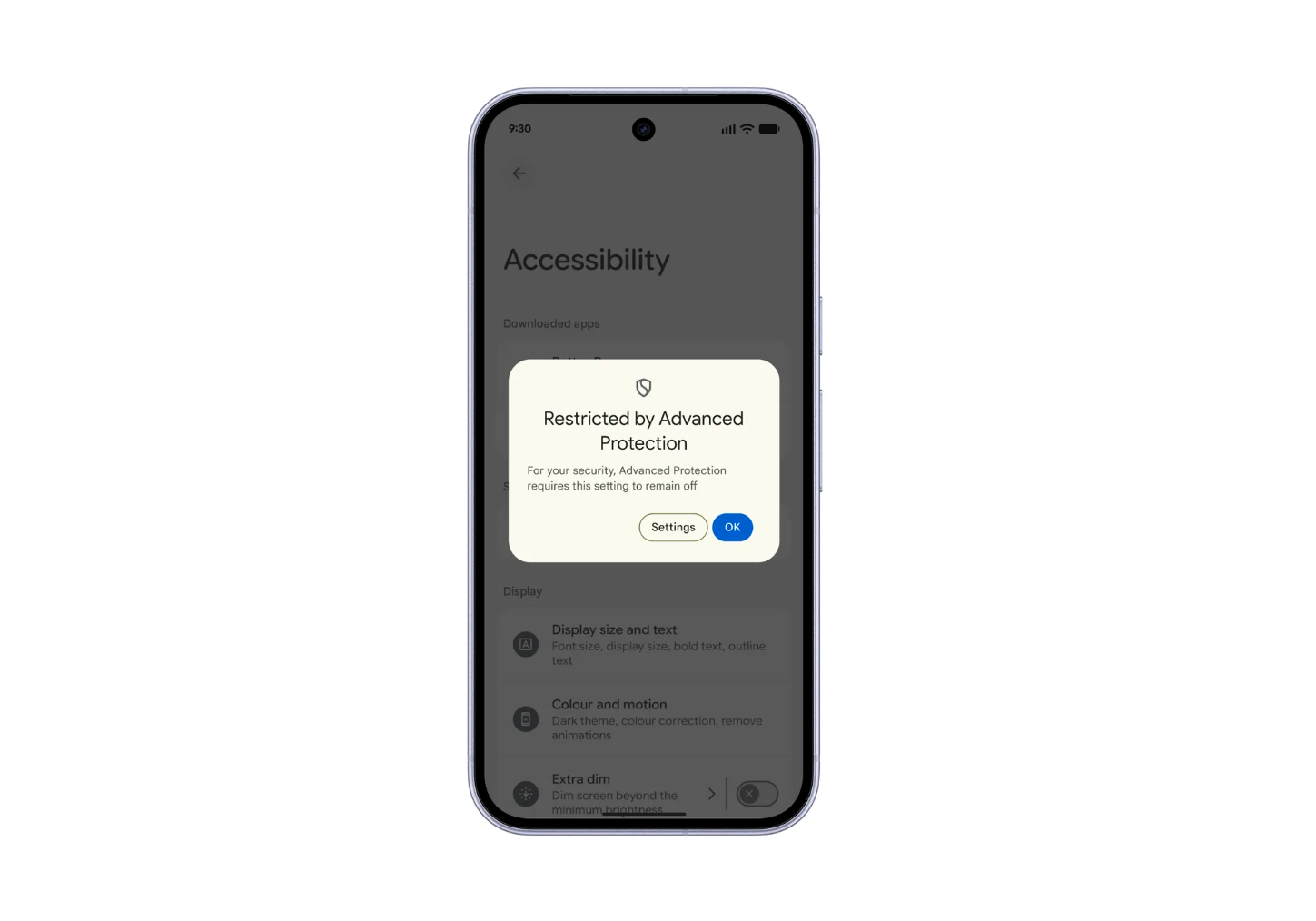
Google has substantially fortified its Advanced Protection protocols within the Android ecosystem. A singular, unified mode now strictly constrains USB data transmission, barricades hazardous access to accessibility features, completely disables WebGPU within Chrome, and meticulously archives security logs for up to a year.
Intrusion Logging and Cloud Security
Among the most paramount enhancements is Intrusion Logging, an intricate mechanism that records critical security events and nuanced network activity. These comprehensive logs are secured via impregnable end-to-end encryption and securely stored within the cloud for an expansive 12-month duration. Google asserts with unwavering confidence that only the legitimate device proprietor retains the cryptographic capacity to access these sensitive archives.
Defending Against Physical and Application Threats
Furthermore, the innovative USB Protection feature decisively neutralizes data transmission across novel USB connections whenever the smartphone remains locked. Under these circumstances, the physical cable operates exclusively as a conduit for electrical charging. This elegant defense mechanism drastically mitigates the insidious threat of “juice jacking” attacks typically orchestrated through compromised public charging stations.
Android 17 also imposes stringent limitations upon applications attempting to exploit the AccessibilityService. Henceforth, only rigorously verified applications genuinely designed to assist users with disabilities will secure this elevated access. Historically, malicious software has frequently weaponized Accessibility permissions to surreptitiously monitor screen content, simulate button presses, and autonomously install clandestine applications.
Browser Hardening and Final Takeaways
Within the Chrome browser, the Advanced Protection paradigm proactively disables WebGPU, thereby significantly reducing the browser’s overarching attack surface. An additional, uncompromising security feature completely locks down the device following a sequence of failed biometric or cryptographic identity verification attempts.
Google meticulously detailed all these profound architectural shifts in their comprehensive publication outlining the new Advanced Protection features. The vast majority of these sophisticated capabilities officially debuted within Android 17, although the integration of specific defensive mechanisms ultimately depends upon the underlying hardware architecture of the individual smartphone model.
Support Our Threat Intelligence
Find our tech and OS security coverage helpful? Support our work today and unlock a 100% ad-free reading experience!
 Buy Me a Coffee
