The Human Element: How a Single GitHub Token Leak Put Apache HTTP Server in the Spotlight
 Do Son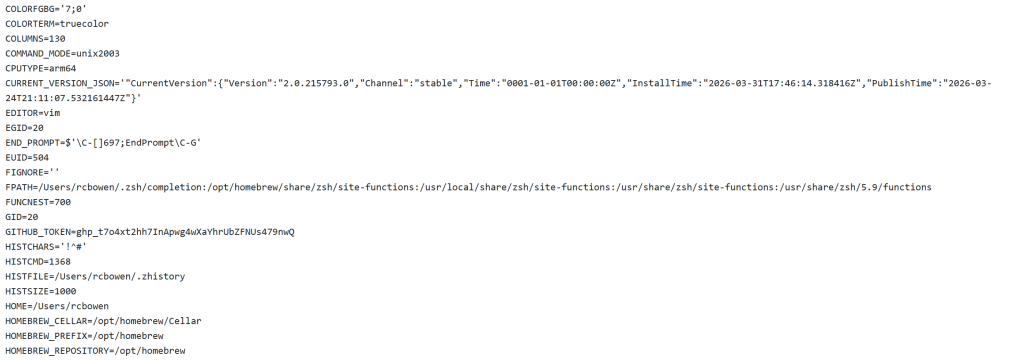
The recent code modifications published by the esteemed open-source project, Apache HTTP Server (httpd), have ignited widespread discourse across the digital landscape. While the update itself was ostensibly minor, it garnered significant scrutiny after a developer inadvertently exposed sensitive environmental variables, thereby precipitating a credential leak.
Users who frequently leverage artificial intelligence for software development might instinctively surmise that this was a casualty of AI-assisted coding. However, the developer subsequently clarified that the exposure was not the fault of an AI entity, but rather a consequence of human error. Upon the discovery of this oversight, the compromised credentials were promptly revoked.
Within these environmental variables were various fragments of personal data and system paths; most critically, however, the leak included a GitHub token. Possessing such a token grants direct authorization to commit code to the repository, a scenario that could have invited catastrophic security ramifications had it been exploited.
Anticipating that developers might occasionally divulge tokens during code submissions, GitHub has instituted a robust protective mechanism. When the platform detects sensitive credentials within a commit, it immediately dispatches an electronic notification to the developer, urging an instantaneous replacement. Furthermore, should the system identify specific GitHub credentials, it will unilaterally nullify the token. By the time the developer acknowledges the alert or discovers the token’s invalidity, the potential window for a security breach has been drastically narrowed, thereby substantially mitigating the risks associated with such exposures.
Support Our Threat Intelligence
Find our threat intelligence and malware analysis helpful? Support our work today and unlock a 100% ad-free reading experience!
 Buy Me a Coffee
