 Do Son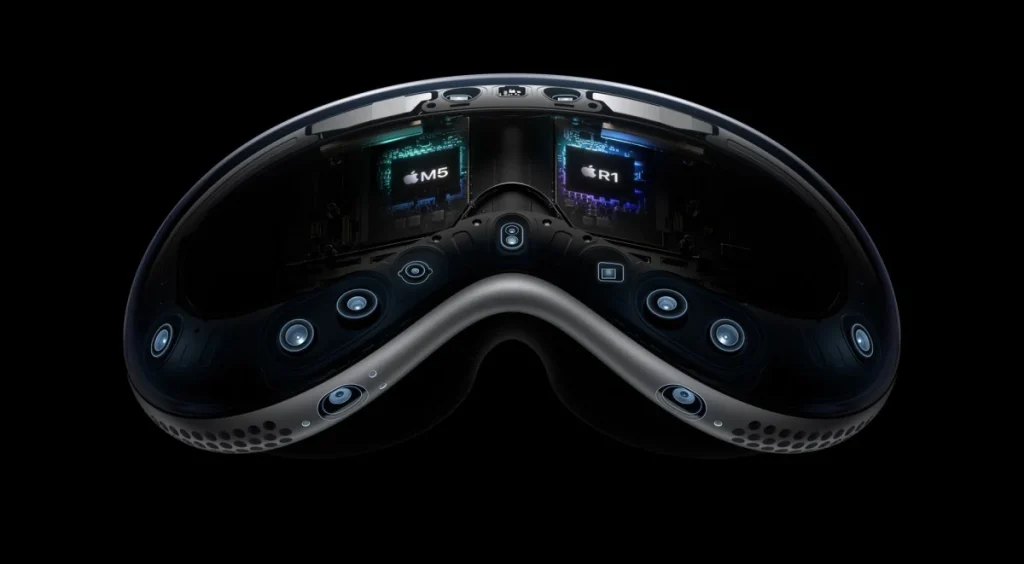
Apple briefly took its online store offline last night, then restored access soon after. The main goal of that short downtime was to adjust product prices. CEO Tim Cook had already told the media that price hikes were unavoidable. Memory supply shortages and soaring chip costs forced Apple to raise prices to balance its costs. The increase even arrived before September. This round touches several Apple product lines, but the iPhone did not rise. Apple likely wants to keep winning market share at a competitive price.
Why Apple Raised Prices
Apple was direct about the cause. In a statement, it pointed to the ongoing memory chip shortage, driven by companies building out AI data centers. The supply-demand gap has sent RAM and SSD storage chip prices soaring. Cook called the scale a “hundred-year flood.” He added that he had never seen anything like it in over 40 years. According to MacRumors, the increases span 14 products and went live globally.
Old vs. New Prices (Select U.S. Models)
Here is how some prices changed, based on select U.S. versions:
- HomePod mini: $129, up from $99 (+$30)
- HomePod: $349, up from $299 (+$50)
- Apple TV: $199, up from $129 (+$70)
- iPad: $449, up from $349 (+$100)
- iPad mini: $599, up from $499 (+$100)
- iPad Air: $749, up from $599 (+$150)
- iPad Pro: $1,199, up from $999 (+$200)
- MacBook Neo: $699, up from $599 (+$100)
- MacBook Air: $1,299, up from $1,099 (+$200)
- MacBook Pro: $1,999 up from $1,699 (+$300)
- iMac: $1,499, up from $1,299 (+$200)
- Mac mini (M4 Pro): $1,599, up from $1,399 (+$200)
- Mac Studio (M4 Max): $2,499, up from $1,999 (+$500)
- Mac Studio (M3 Ultra): $5,299, up from $3,999 (+$1,300)
- Vision Pro: $3,699, up from $3,499 (+$200)
The Entry-Level M4 Mac mini Jumps Too
Recently, the entry-level M4 Mac mini went in and out of stock as an AI robotics boom drove demand, and its price crept up. Many buyers waited, hoping the price would fall once demand cooled. Reality proved harsher, though. Even the base M4 Mac mini has now climbed sharply.
The base M4 Mac mini means the entry configuration. That is the M4 chip, 16GB of memory, a 256GB SSD, and a 1GbE port. Choose more memory or storage, and the price climbs even higher. The wait-and-see crowd lost badly this time. Few expected such a steep rise once the earlier shortage faded.
A Wider Industry Squeeze
Apple is far from alone here. Microsoft, Samsung, Lenovo, HP, and Dell have all raised prices on the same memory crunch. TrendForce data shows DRAM rose as much as 98% in the first quarter of 2026. It expects another 58% to 63% jump this quarter. Memory maker Micron expects the shortage to last through 2027. So higher prices could stay the norm for another year and a half or longer.
Support Our Threat Intelligence
Find our tech and OS security coverage helpful? Support our work today and unlock a 100% ad-free reading experience!
 Buy Me a Coffee
