Pragmatic Refinement: Apple Rebalances Aesthetics and Performance at WWDC 2026
 Do Son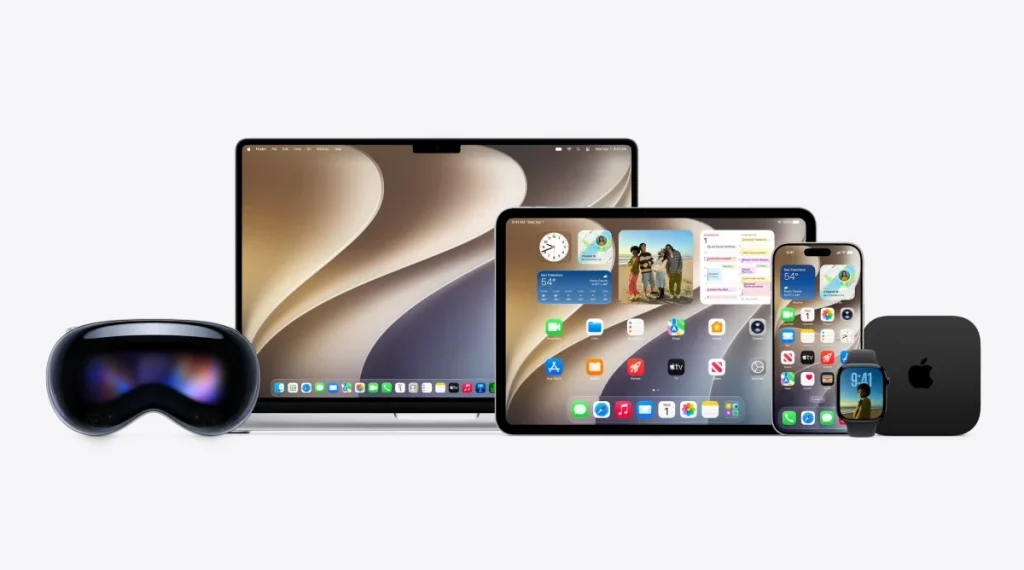
During the opening of WWDC 2026 on June 8, Apple showcased the expansive trajectory of its software ecosystem. Crucially, the technology giant pivoted its core focus toward the pragmatic refinement of the user experience. In addition to modifying the controversial “Liquid Glass” design framework from last year, the corporation announced astonishing performance enhancements for iOS 27 and iPadOS 27. Furthermore, leadership officially designated the next generation of its desktop operating system as macOS 27 “Golden Gate.”
Calibrating Liquid Glass: Restoring Reader Control
The Liquid Glass design language initially debuted at WWDC 2025 to deliver a novel visual sensation. However, its multi-layered transparent effects frequently compromised text legibility. This aesthetic choice consequently provoked substantial criticism from the user community over the past year.
To address these concerns, Apple engineered a granular configuration slider for the Liquid Glass interface. This mechanism empowers individuals to adjust interface element opacity seamlessly from complete transparency to a fully tinted opacity. Interestingly, minimizing the transparency subtly evokes the classic design aesthetics of legacy Apple operating systems.
Simultaneously, the developers abandoned the contentious rounded window layouts that previously sparked intense debate. They also extended sidebars to the absolute perimeter of the viewport. Moreover, engineers unified the visual architecture of the primary menu bars to ensure seamless aesthetic consistency. Stacy Ford, Vice President of OS Project Management, emphasized that these systemic adjustments represent merely the inception of a broader evolutionary cycle.
Architectural Velocity: Performance Leaps in iOS 27 and iPadOS 27
Beyond surface-level aesthetics, Apple heavily emphasized the profound under-the-hood acceleration of iOS 27 and iPadOS 27. Specifically, deep system-level optimizations amplify application launch velocities by up to thirty percent. This upgrade similarly accelerates data ingestion rates into local device databases.
Remarkably, AirDrop file exchanges now execute up to eighty percent faster than legacy protocols. Additionally, iPad data transfers to external hardware nodes enjoy a staggering fivefold speed multiplier. Apple explicitly states that this interface matches the fluid efficiency of the native Mac Finder ecosystem.
Furthermore, cellular and wireless network switching algorithms have become significantly more intelligent. Consequently, devices dynamically transition to the swiftest available pipeline without requiring manual interaction inside the Control Center.
Subsidiary Feature Enhancements
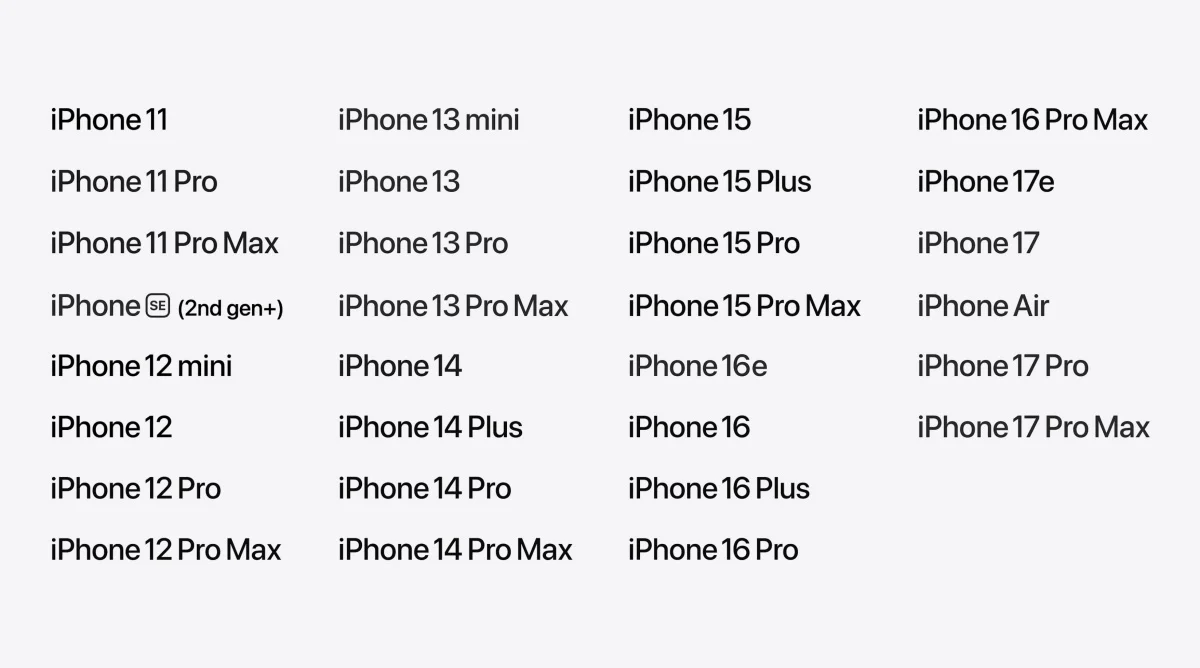
The deployment matrix also introduces structural overhauls to iMessage interfaces alongside upgraded Spotlight searching routines. In tandem, Apple refined Photos, Health metrics, and AirPods personalized spatial audio profiles while elevating three-dimensional map rendering fidelity. Regarding compatibility, iOS 27 comprehensively supports legacy hardware extending back to the iPhone 11 series. It naturally accommodates the contemporary iPhone 17 family and forthcoming autumn hardware releases.
macOS 27 Golden Gate: The Cessation of x86 Legacy Support
For the desktop portfolio, Apple officially inaugurated macOS 27 under the moniker “Golden Gate.” This iteration prioritizes underlying code stability and pervasive artificial intelligence synthesis. However, the most historic transition centers on the complete cessation of support for Intel-based architectures. Therefore, subsequent software releases will exclusively target Apple Silicon M-series processors, marking a definitive farewell to the legacy x86 computing era.
Strategic Insights: Reclaiming Pragmatic Utility
The software updates at WWDC 2026 demonstrate that Apple is actively resolving its technical debt. When the Liquid Glass framework emerged, it pursued visual depth at the expense of core operating readability. By introducing granular opacity sliders, Apple successfully steers the interface back to a human-centric trajectory.
On the productivity front, the performance gains provide tangible advantages for enterprise workflows. The fivefold acceleration of external iPad storage access establishes the tablet as a legitimate professional utility.
Simultaneously, removing Intel dependencies from macOS 27 unifies engineering resources. Developers can now focus entirely on neural processing units and on-device AI models.
Finally, global governments are continuously escalating regulatory crackdowns regarding juvenile social media use and age validation. In response, Apple strategically deployed robust parental restrictions and intelligent media filters. This proactive integration provides family security while establishing a highly sophisticated regulatory shield ahead of global compliance audits.
Support Our Threat Intelligence
Find our tech and OS security coverage helpful? Support our work today and unlock a 100% ad-free reading experience!
 Buy Me a Coffee
