
 Do Son
the CVE-2023-34039 flaw arises from a lapse in the unique cryptographic key generation in the Aria Operations for Networks
Vulnerability
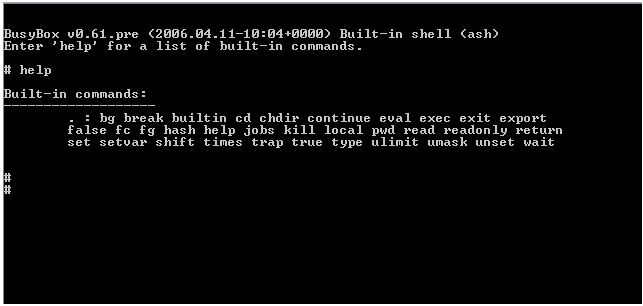
The flaw tracked as CVE-2023-39810 and bearing a CVSS score of 6.1, has been observed across multiple versions and platforms of BusyBox cpio
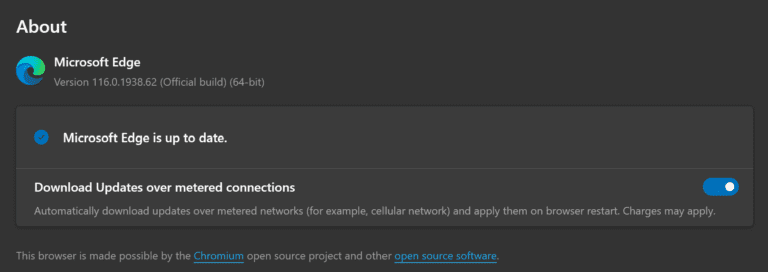
The CVE-2023-36741 vulnerability identified within the Chromium-based Microsoft Edge poses a significant elevation of privilege risk

Given the profound security ramifications of such vulnerabilities, Microsoft has rolled out support documentation for Windows 10/11

With CVE-2023-41080, attackers can craft specific URLs which, when accessed, will bounce users off to a URL of the attacker's choice.
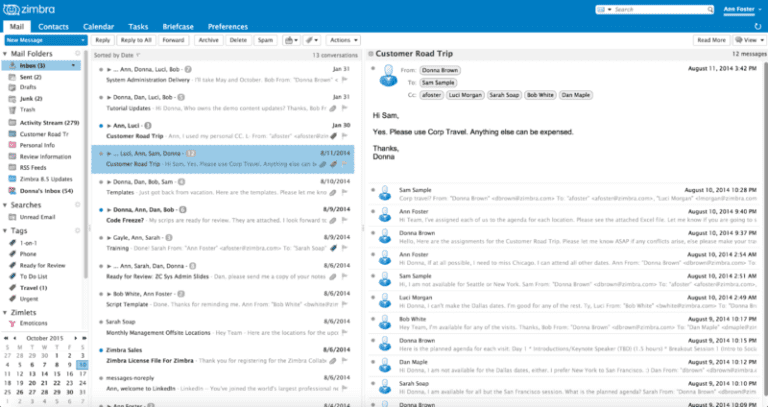
The vulnerability, tracked as CVE-2023-41106, is a one-click vulnerability that can be exploited by sending a malicious link to a Zimbra user

The CVE-2023-32315 vulnerability allows an unauthenticated user to access restricted pages in the Openfire Admin Console.

This vulnerability, CVE-2023-40217, allows an attacker to bypass the TLS handshake and inject malicious data into a secure connection.

RARLAB tackled the issue head-on, and by August 2, a fortified version of WinRAR 6.23 was released, patching the CVE-2023-38831 security bug

The first vulnerability, tracked as CVE-2023-27532, is an information disclosure vulnerability in Veeam Backup & Replication.
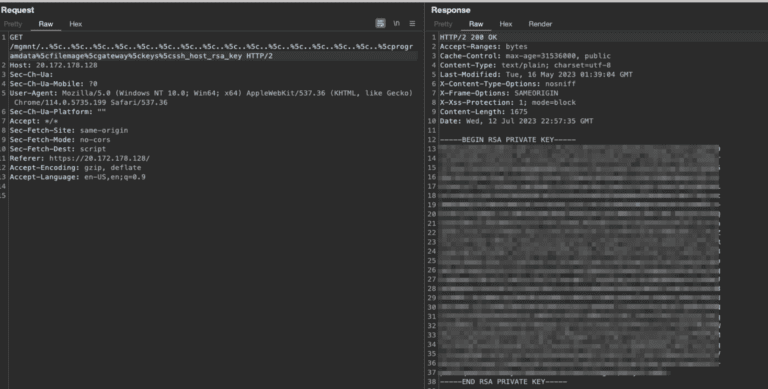
CVE identifier CVE-2023-39026 allows unauthenticated attackers to retrieve arbitrary files on the host system.

An attacker who can exploit the CVE-2023-32184 vulnerability could execute code in the context of the user

CVE-2023-40068 is a stored XSS vulnerability specifically affecting ACF’s admin screens tied with post type and taxonomy labels

The CVE-2023-26359 vulnerability with a CVSS score of 9.8 is caused by the deserialization of untrusted data.

With a staggering CVSS score of 9.8, the CVE-2023-38035 vulnerability pertains to the MICS Admin Portal in Ivanti MobileIron Sentry

a flaw-CVE-2022-46751- in Ivy prior to version 2.5.2 could allow an attacker to inject malicious code into Ivy's processing of XML files

PoC exploit code will be released for a zero-day vulnerability (CVE-2023-36874) allowing privilege escalation in Microsoft Windows.
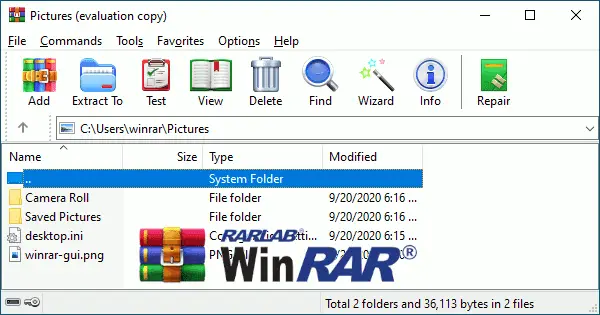
The CVE-2023-40477 flaw opens the door for remote attackers to execute arbitrary code on systems where WinRAR is installed

Once this file undergoes scanning by ClamAV on a compromised device, CVE-2023-20212 can disrupt the ClamAV scanning process
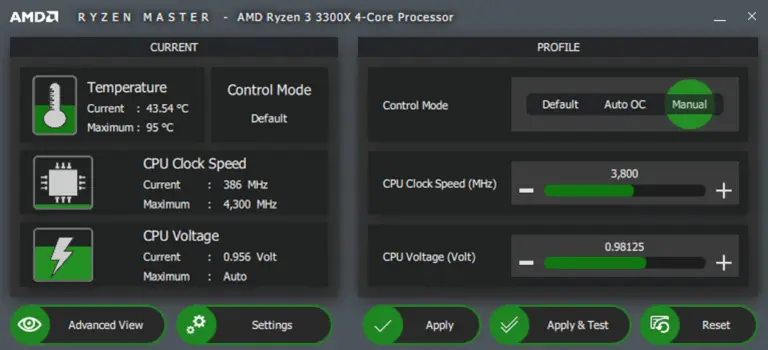
CVE-2023-20564 could allow an attacker to send a specially crafted IOCTL request to AMD Ryzen Master that would cause the software to crash

An attacker could exploit CVE-2023-3160 by creating a specially crafted symbolic link that would allow them to gain elevated privileges

Interestingly, AMD's Zen 1 architecture was not impervious, being plagued by a vulnerability christened "Division by zero."