
 Do Son
Remote attackers, even without privileges, can exploit the CVE-2023-39238 flaw to execute remote code, perform arbitrary actions on the device
Vulnerability

CVE-2023-28562 (CVSS score of 9.8) allows malicious actors to execute arbitrary code on a staggering range of Qualcomm chipsets

CVE-2023-40031 (CVSS score of 7.8): heap buffer write overflow in `Utf8_16_Read::convert`. This issue may lead to arbitrary code execution
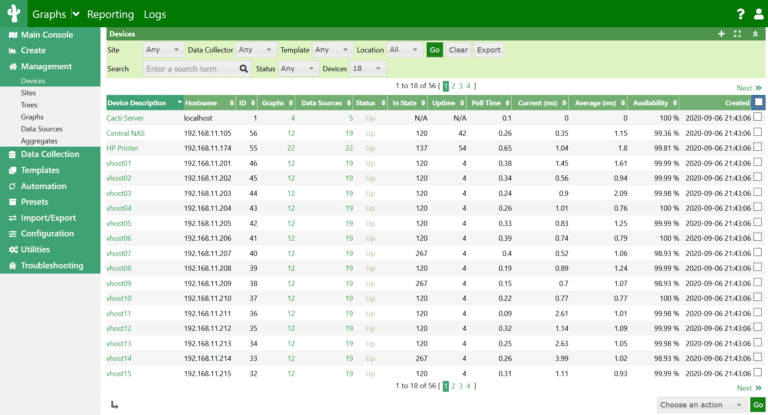
This vulnerability, designated as CVE-2023-39361, is a grave SQL injection bug, sporting a worrisome CVSS score of 9.8.
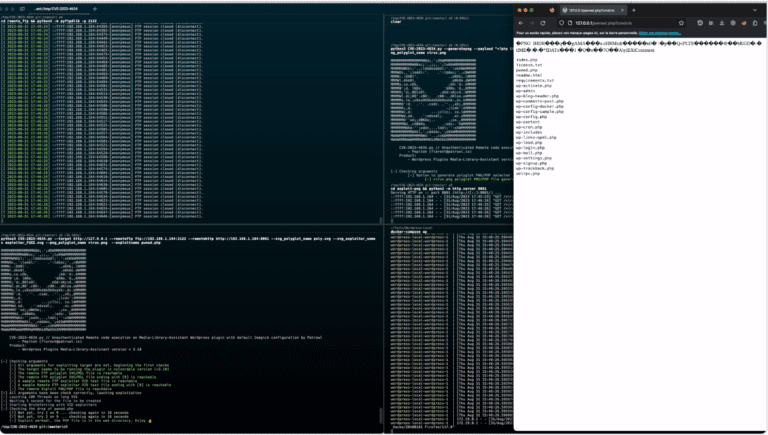
CVE-2023-4634 is an unauthenticated RCE vulnerability affecting the Media-Library-Assistant plugin – a tool with over 70,000 installations

CVE-2023-35674 could significantly elevate local privileges, all without the need for any user interaction or additional execution privileges

A vulnerability (CVE-2023-28072) with a CVSS score of 7.8 was identified in versions of Dell Alienware Command Center prior to 5.5.51.0

A cybersecurity researcher has released the details, and a proof-of-concept (PoC) exploit for a high-severity vulnerability (CVE-2023-28229)

A cybersecurity researcher has released the details, and a PoC exploit for a critical severity vulnerability (CVE-2023-34039)

CVE‑2023‑25528 (CVSS: 8.8) - A web server plugin flaw could cause a stack overflow, potentially leading to arbitrary code execution

Synacktiv has released a proof-of-concept (PoC) exploit for a high-severity vulnerability (CVE-2023-35001) that exists in the Linux kernel
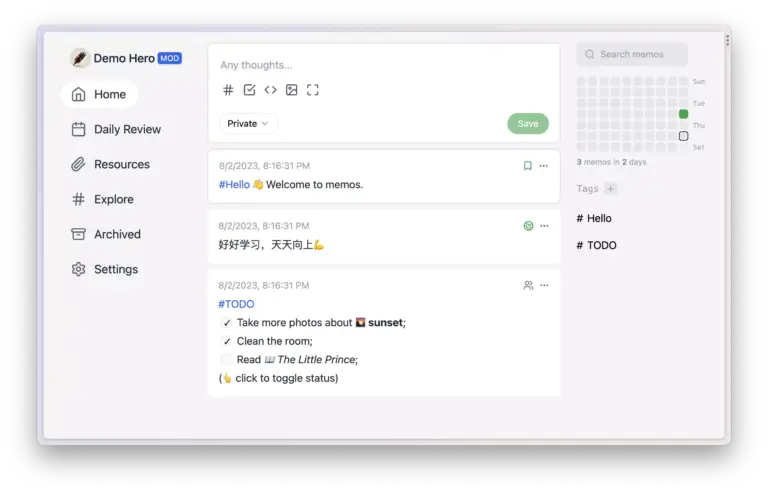
CVE-2023-4696 (CVSS score of 9.8) allows a nefarious actor to modify another user’s data, including passwords

At its core, CVE-2023-38036 allows malevolent actors to send a deviously crafted message to the Wavelink Avalanche Manager

CVE-2023-40595 vulnerability allows an attacker to execute a specially crafted query that can then be used to serialize untrusted data

CVE-2023-40596 allows an attacker to escalate their privileges on a Windows machine by abusing an insecure path reference in a DLL file

The CVE-2023-20900 vulnerability allows a malevolent actor, positioned in a man-in-the-middle (MITM) network setup between the vCenter server

CVE-2023-41265 allows attackers to elevate privileges by tunneling HTTP requests, granting them access to send HTTP requests

Revealed in May this year, this flaw is exploited to release the Kinsing malware and a cryptominer, posing significant risks for users

ClamAV versions 1.1.x prior to 1.1.2, 1.0.x prior to 1.0.3, and 0.103.x earlier than 0.103.10 are affected by this vulnerability
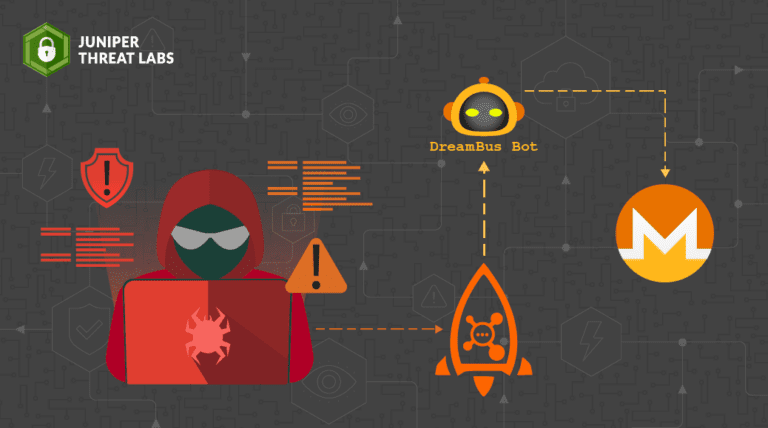
DreamBus malware uses a blend of service setups and cron jobs, scheduled hourly, to ensure consistent execution of its payload.

An attacker who exploits the CVE-2023-4596 vulnerability could upload arbitrary files to the affected site's server.

Scoring a 7.8 on the CVSS, the CVE-2023-40590 vulnerability presents an untrusted search path issue on Windows systems.