
 Do Son
By sending a specially crafted HTTP request, an attacker could exploit CVE-2022-20958 to execute arbitrary code on the system
Vulnerability

CVE-2022-43995 affecting plugins/sudoers/auth/passwd.c in Sudo could have resulted in the user gaining root privileges.

CVE-2022-3602 could result in a crash or potentially remote code execution depending on the stack layout for any given platform/compiler

CVE-2022-31692 is an authorization rule bypass vulnerability in a specific version of the Spring framework
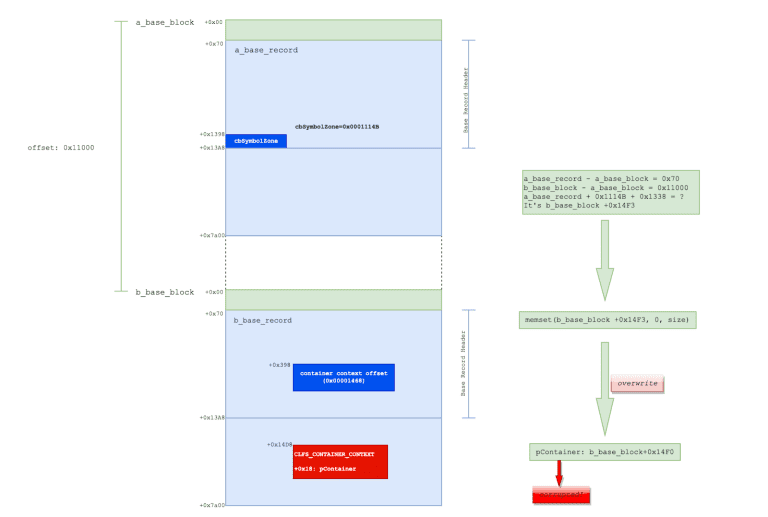
Zscaler ThreatLabz researcher team conducted an in-depth analysis of the vulnerability and publicly disclosed CVE-2022-37969 PoC

Apache Flume released the latest security bulletin on October 26, which contains a remote code execution vulnerability (CVE-2022-42468).

OpenSSL project will announce the vulnerability CVE and other vulnerability details. The highest severity vulnerability fixed in OpenSSL is critical

Google is aware that an exploit for CVE-2022-3723 exists in the wild. It is only known that this vulnerability is a Type Confusion in V8

The bug exists in the JDBC EngineConn module, an attacker could exploit CVE-2022-39944 to deserialize and thus achieve remote code execution
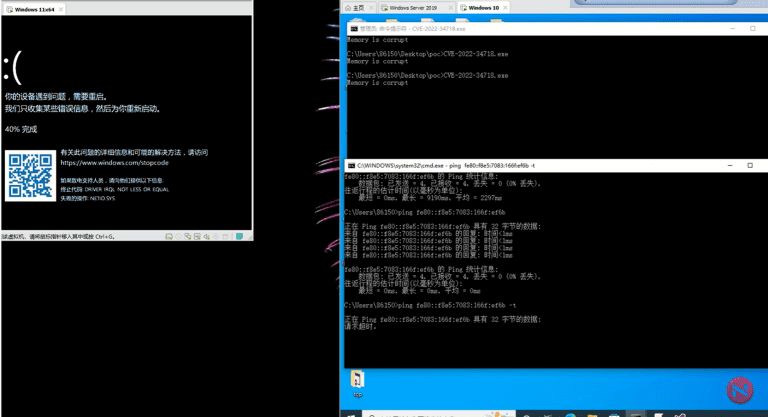
Numen conducted an in-depth analysis of the vulnerability and publicly disclosed TCP/IP flaw CVE-2022-34718 PoC through patch comparison

An attacker could exploit CVE-2022-28763 using a specially-crafted Zoom meeting URL to redirect a victim to arbitrary websites
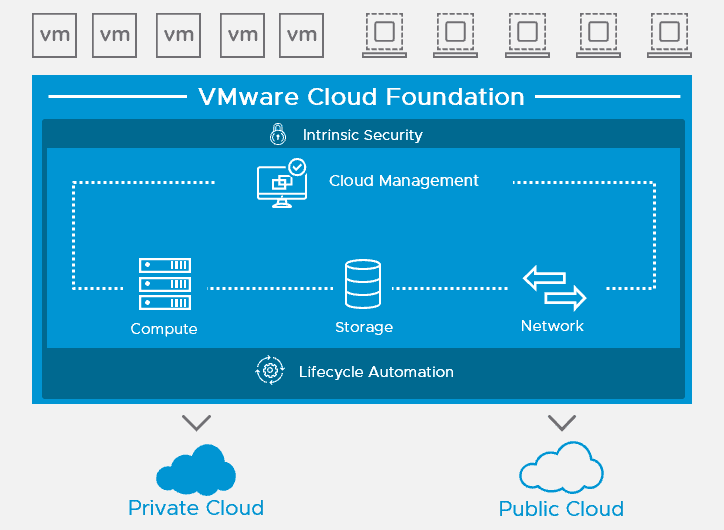
With a CVSS score of 9.8 and tracked as CVE-2021-39144, is a remote code execution vulnerability affecting Cloud Foundation

An attacker could exploit the CVE-2022-43400 vulnerability to gain access to the application without a valid account.

By using a specially crafted application, an attacker could exploit the CVE-2022-42827 to execute arbitrary code with kernel privileges.

CVE-2022-27624 (CVSS score: 10) allows remote attackers to execute arbitrary commands via unspecified vectors.

As a result, successful exploitation of CVE-2022-1786 via executing a specially-crafted program could lead to a system crash.

CVE-2022-2602 vulnerability in the Linux kernel could allow a local attacker to execute code on the affected systems with elevated privileges
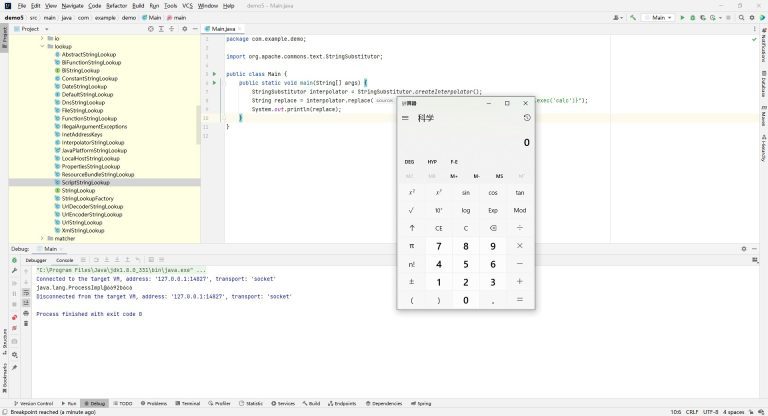
By sending a specially crafted request, an attacker could exploit the CVE-2022-42889 vulnerability to execute arbitrary commands

A remote authenticated attacker could exploit the CVE-2022-42719 vulnerability to execute arbitrary code or cause the system to crash

CVE-2022-40664 allow a remote attacker to bypass security restrictions, which occurred when forwarding or including via RequestDispatcher

when clicked on, or activated by document events, CVE-2022-3140 could result in arbitrary script execution without warning

CVE-2022-24697 was caused by a command injection vulnerability when overwriting system parameters in the configuration overwrites menu