 Do Son
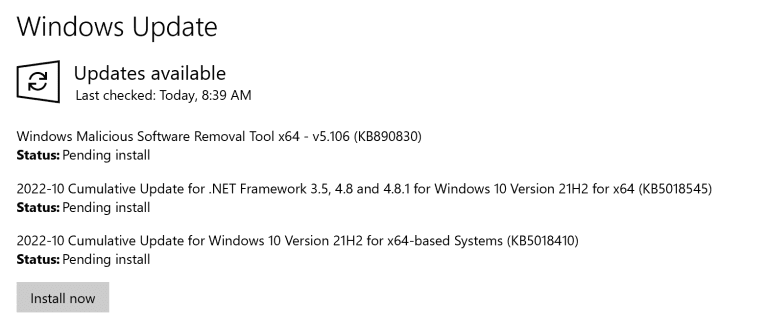
CVE-2022-41033, is described as an elevated privilege on the system, caused by a flaw in the COM+ Event System Service
Vulnerability
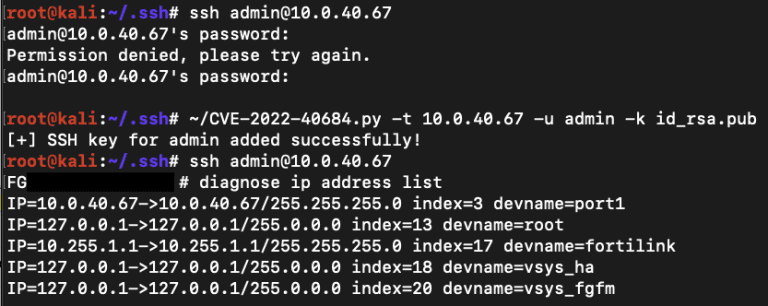
Security researchers from the Horizon3 Attack Team have developed a CVE-2022-40684 PoC exploit code and planned to release it later this week

CVE-2022-39222 (CVSS score: 9.3) allows an unauthenticated adversary to steal the OAuth authorization code in the process

CVE-2022-31680 (CVSS score: 7.2) can be exploited to execute arbitrary code on the underlying operating system that hosts the vCenter Server

CVE-2022-25748 (CVSS score 9.8) concerns an "Integer Overflow to Buffer Overflow while parsing GTK frames" issue in Qualcomm's WLAN component

An attacker could exploit CVE-2022-20853 to perform cross-site scripting attacks, Web cache poisoning, and other malicious activities.

By sending a report while copying a report->value is in progress, an attacker could exploit CVE-2022-41850 to execute arbitrary code
An attacker could exploit the CVE-2022-36066 vulnerability to upload a malicious Zip or Gzip Tar archive file to execute arbitrary code
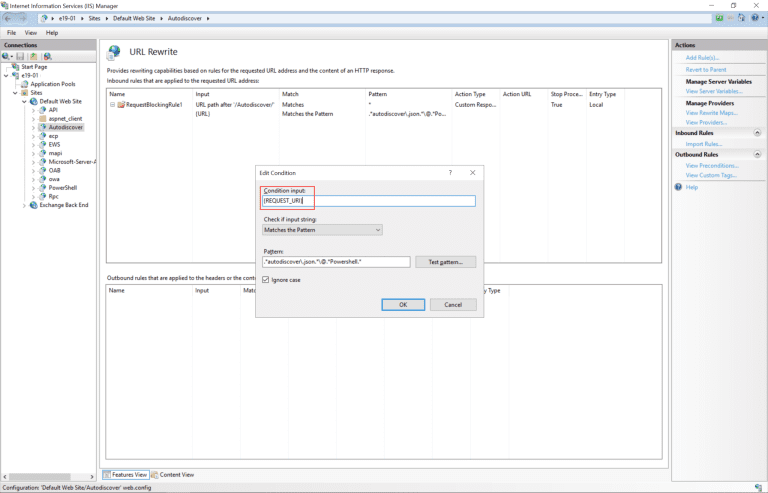
CVE-2022-41040, is a Server-Side Request Forgery (SSRF) vulnerability, CVE-2022-41082, allows remote code execution (RCE)

Andy Nguyen released CVE-2022-2566 PoC exploit code for high FFmpeg heap out-of-bounds memory write vulnerability affecting FFMPEG

CVE-2021-43980 was caused by a long-standing concurrency flaw in the simplified implementation of blocking reads and writes

hackers exploit CVE-2022-39261 to read access to private files, contents of other files on the server, database credentials Drupal-powered websites
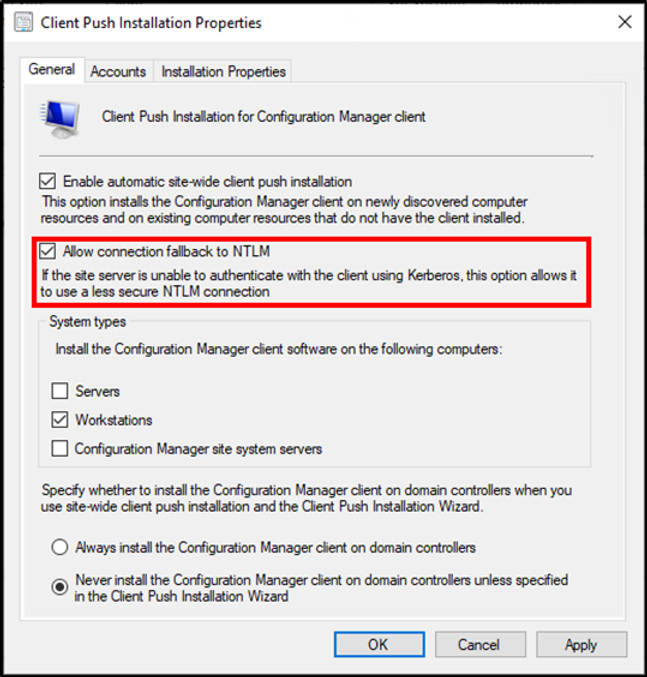
Microsoft did not explain the details of the CVE-2022-37972 vulnerability but said that the vulnerability has been disclosed in advance.
By sending a specially-crafted call, an attacker could exploit the CVE-2022-36934 vulnerability to execute arbitrary code on the system.

CVE-2022-35951 has a CVSS score of 7.0 and is described as a heap overflow in Redis 7.0 XAUTOCLAIM command's COUNT argument.

Sophos published a security advisory about CVE-2022-3236, a code injection flaw that affects the User Portal and Webadmin of Sophos Firewall

An attacker could exploit the CVE-2022-40955 vulnerability to deserialize and thus achieve remote code execution.

CVE-2022-28721, rated as critical in severity with a 9.8 CVSS scale is a buffer overflow, caused by improper bounds checking
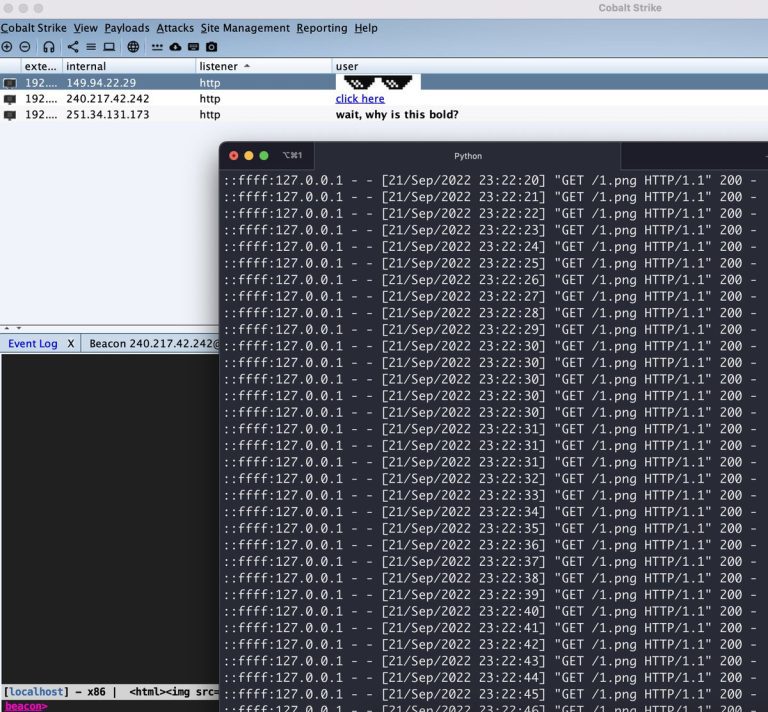
CVE-2022-39197 has been described as an XSS vulnerability in the teamserver that affected the Cobalt Strike version prior to 4.7.1.
A critical buffer overflow & remote code execution (CVE-2022-41140) vulnerability affected several D-Link routers that were unpatched.

The CVE-2022-3239 flaw (CVSS score: 7.0) is a use-after-free bug that was found in the Linux kernel video4linux driver.

CVE-2022-40300 is an SQLi issue that could allow an attacker to query and access the database table entries using the vulnerable request