ChatGPT Atlas Under Guard: OpenAI Fortifies Browser Agent Against “Prompt Injection” Attacks
 Do Son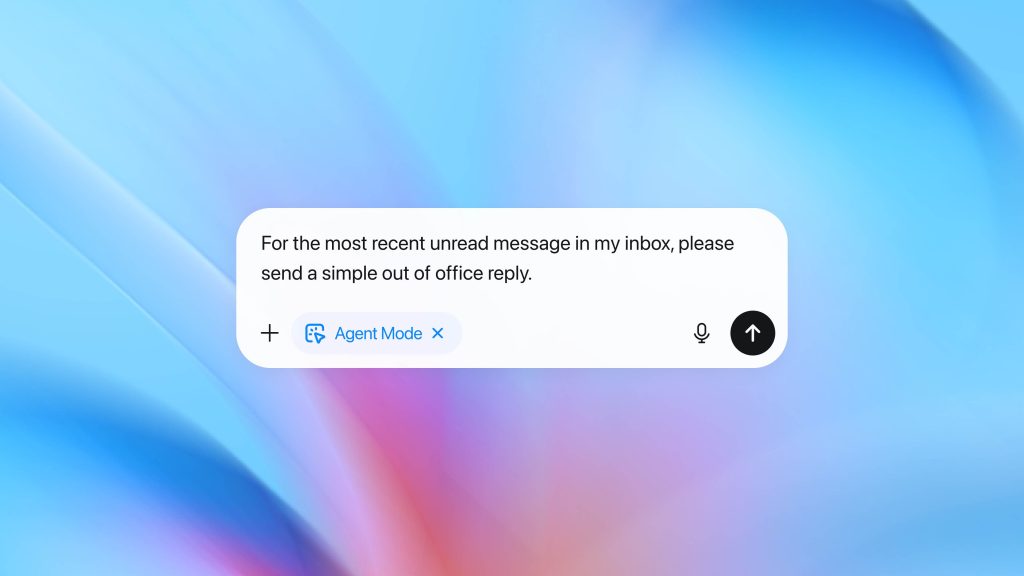
As artificial intelligence begins to browse the web on our behalf, the battleground for security is shifting from servers to our own browser tabs. OpenAI has deployed a critical security update for its ChatGPT Atlas agent mode, reinforcing the system against a new class of adversarial threats discovered during internal testing.
The update targets “prompt injection”—a sophisticated attack technique where malicious instructions hidden on a webpage can trick an AI agent into performing unauthorized actions.
ChatGPT Atlas represents a significant leap forward in AI utility. In “Agent mode,” the AI doesn’t just chat; it acts. It “views webpages and takes actions, clicks, and keystrokes inside your browser, just as you would” . This capability allows it to handle complex workflows seamlessly.
However, this increased autonomy comes with increased risk. By granting an AI permission to navigate the open web, users effectively expose it to the wild west of internet content.
“As the browser agent helps you get more done, it also becomes a higher-value target of adversarial attacks,” OpenAI noted in their security disclosure. “This makes AI security especially important”.
The primary concern addressed in this update is prompt injection. Unlike traditional hacking, which exploits code vulnerabilities, prompt injection exploits the AI’s logic. An attacker might embed invisible text on a website that commands the visiting AI to secretly export the user’s emails or buy a specific product.
OpenAI describes this as “one of the most significant risks we actively defend against to help ensure ChatGPT Atlas can operate securely on your behalf”.
The latest patch was triggered by “a new class of prompt-injection attacks uncovered through our internal automated red teaming”. It introduces a “newly adversarially trained model and strengthened surrounding safeguards” designed to detect and ignore these malicious hidden commands.
While OpenAI hardens the system level, they are also urging users to adopt safer habits when letting an AI take the wheel. The blog post outlines three key pillars for safe agent usage:
- Limit Access: Users are advised to use “logged-out mode” when the agent doesn’t need to be signed in. “We continue to recommend that users take advantage of logged-out mode… whenever access to websites you’re logged in to isn’t necessary for the task at hand”.
- Verify, Don’t Just Trust: When the agent attempts a high-stakes action, like sending an email or making a purchase, it will ask for permission. Users must scrutinize these requests. “When an agent asks you to confirm an action, take a moment to verify that the action is correct”.
- Be Specific: Vague instructions leave room for interpretation—and manipulation. “Avoid overly broad prompts like ‘review my emails and take whatever action is needed.’ Wide latitude makes it easier for hidden or malicious content to influence the agent”.
Related Posts:
- The Browser War Heats Up: OpenAI Unveils AI-Powered ChatGPT Atlas
- Data Breach Alert: MongoDB Customer Hit, Logs Accessed
- ATLAS LION Cybercriminal Group Persists in Targeting Gift Card Issuing Systems
- XSS Flaw in Apache Atlas (CVE-2024-46910) Puts Data Governance at Risk
- Cloud Atlas Deploys VBCloud backdoor in Latest Cyber Espionage Campaign
Support Our Threat Intelligence
Find our vulnerability reports and weekly recaps helpful? Support our work today and unlock a 100% ad-free reading experience!
 Buy Me a Coffee
