 Do Son
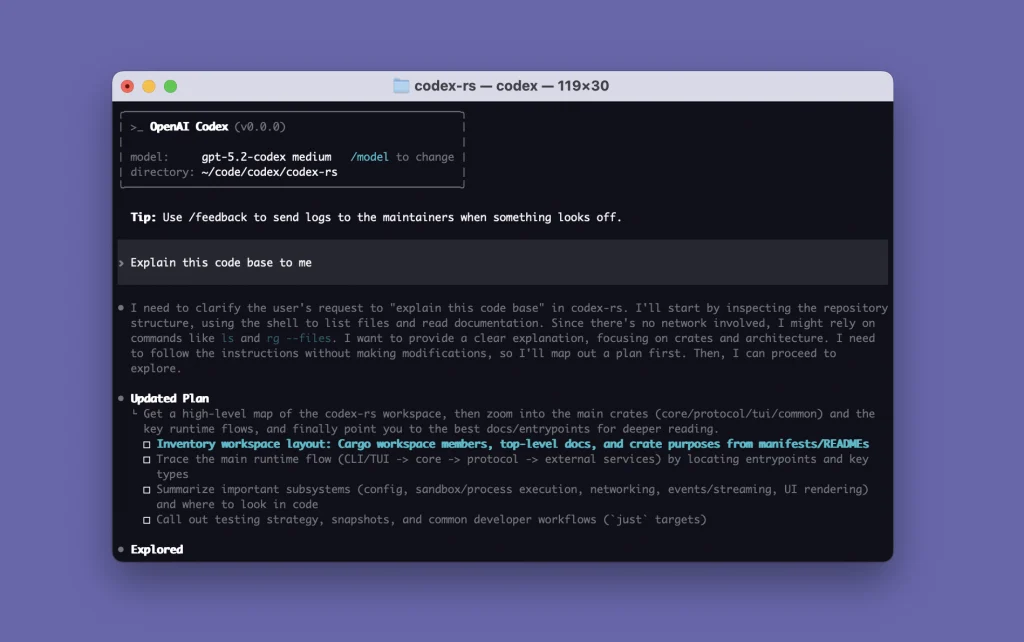
Software engineers recently uncovered an unexpected authentication hazard in remote development environments. Specifically, discussions on Hacker News regarding Codex SSH agent forwarding revealed significant operational friction. When developers connect to remote hosts, forwarded cryptographic credentials can be hijacked or overwritten. Furthermore, multiple concurrent client sessions often replace existing authorization sockets unexpectedly. Consequently, remote processes and automated coding agents face authentication timeouts and credential exposures.
Mechanics of Forwarded SSH Keys and Agent Exposure
Developers frequently enable agent forwarding to interact smoothly with private code repositories. Under standard workflows, the local SSH agent signs remote cryptographic authentication requests seamlessly. Therefore, programmers never need to copy sensitive private keys onto remote servers. However, forwarded sockets grant ambient signing authority to all processes running on that remote host.
If a forwarded key possesses broad write permissions, remote scripts can sign GitHub actions automatically. For instance, autonomous artificial intelligence agents might commit and push changes without human confirmation. Consequently, security teams must treat forwarded authorization channels as sensitive administrative vectors.
Concurrent Client Sessions Overwrite Shared Sockets
Operational hazards multiply when developers connect multiple local machines to a single remote account. As documented in a technical analysis on how Codex desktop relinks shared SSH agents, newly joined clients overwrite existing socket pointers. For example, connecting a secondary laptop replaces the active socket symlink used by existing remote processes.
Subsequently, active git operations on the initial workstation fail or time out indefinitely. In community discussions tracked under Codex issue 59694, developers described severe workflow disruption across multi-device setups. Although engineers proposed architectural fixes in Codex pull request 28131, maintainers closed the proposal without merging it. Therefore, developers must manage persistent remote agent links manually to avoid unexpected breakage.
Defensive Hardening and Scoped Key Isolation
To neutralize these risks, software developers should inspect their SSH configuration files immediately. Specifically, engineers should disable the ForwardAgent directive unless remote signing is strictly mandatory. Additionally, administrators should generate dedicated cryptographic keys with minimal repository permissions.
Furthermore, modern engineering teams should deploy hardware security keys requiring physical touch confirmation. FIDO2 tokens prevent background processes from executing unauthorized signatures silently. Ultimately, implementing disciplined credential scoping protects cloud environments against accidental compromise and authentication collisions.
Support Our Threat Intelligence
Find our tech and OS security coverage helpful? Support our work today and unlock a 100% ad-free reading experience!
 Buy Me a Coffee
