 Do Son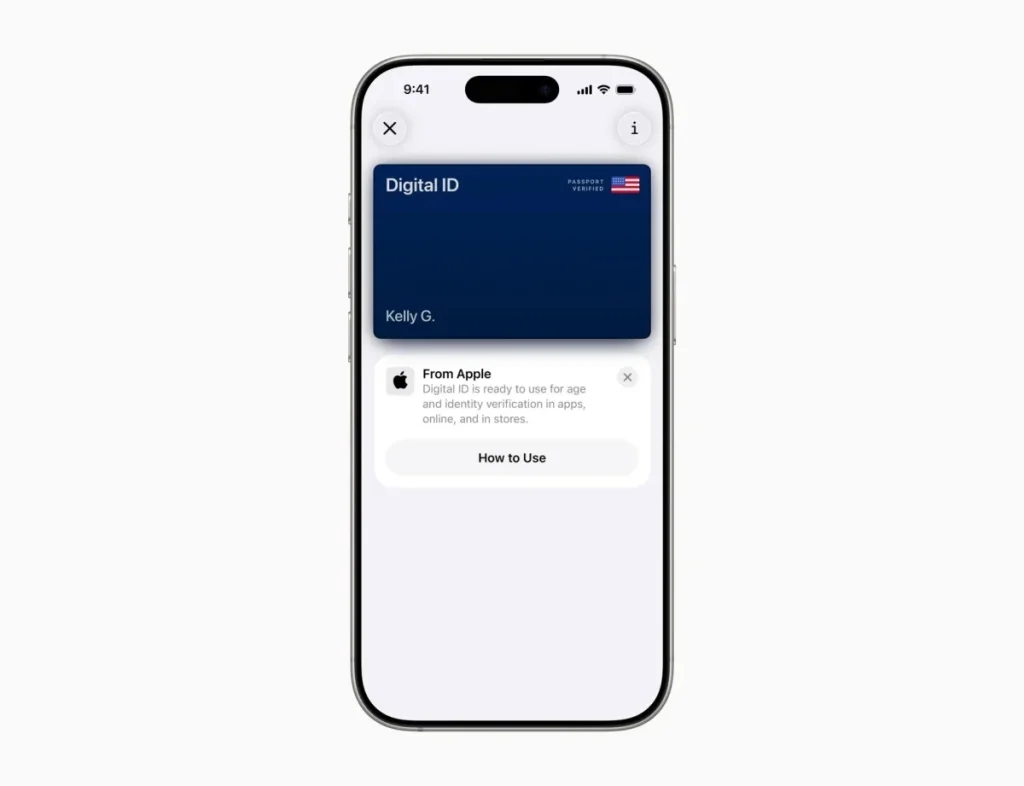
At the Money20/20 financial conference held in Las Vegas, Jennifer Bailey, Vice President of Apple Pay and Wallet, revealed that iPhone users in the United States will soon be able to scan their physical U.S. passports and add them to the Apple Wallet app, effectively transforming them into digital identification documents compliant with the federal REAL ID Act.
This initiative marks Apple’s continued expansion of Wallet’s capabilities beyond payments, extending it into the realm of digital identity verification. Previously, several U.S. states had already enabled users to store their driver’s licenses in Apple Wallet. Bailey emphasized that Apple’s ultimate goal is to make the Wallet an all-in-one hub for everyday essentials — encompassing concert tickets, student IDs, house keys, car keys, and more.
According to Apple, once the feature launches, iPhone users will be able to create a REAL ID–compliant digital identity simply by scanning their physical passport through the Wallet app. The REAL ID standard is required for domestic air travel and access to certain federal facilities within the United States.
In the future, travelers possessing this digital passport will be able to present their digital identification stored on iPhone or Apple Watch at participating Transportation Security Administration (TSA) checkpoints when boarding domestic flights, eliminating the need to carry a physical passport for identity verification.
However, Apple made clear that this digital passport will not be valid for international travel, even for trips to neighboring countries such as Canada or Mexico. Likewise, those crossing land borders between the U.S. and Canada or Mexico will still be required to present a physical passport.
While storing a passport in Apple Wallet offers undeniable convenience, the Identity Management Institute, a global authority on identity and access governance, cautioned that digital IDs carry inherent risks — including potential security vulnerabilities, identity theft, data privacy concerns, and significant exposure in the event of device loss.
The organization recommends that users adopting digital identification take several precautionary measures — best practices applicable to all online activities — including:
- Using strong, unique passwords or PINs.
- Enabling two-factor authentication (2FA).
- Keeping devices and software up to date.
- Exercising vigilance and verifying the legitimacy of websites when engaging in digital transactions or using digital IDs.
Ultimately, while the advent of digital credentials promises greater convenience, ensuring the security of personal data remains a shared responsibility between users and technology providers alike.
Related Posts:
- iOS 26 Digital ID: Your Passport Is Coming to Apple Wallet
- U.S CBP electronic passport system has a flaw for 10 years
- Cybercrime and Passport Fraud: Former Motorola Tech Faces Double Trouble
- Intel Secures Nearly $8 Billion in CHIPS Act Funding to Boost US Semiconductor Production
- India’s Chip Ambition: First “Made in India” Semiconductor & 6 New Fabs by 2025
Support Our Threat Intelligence
Find our tech and OS security coverage helpful? Support our work today and unlock a 100% ad-free reading experience!
 Buy Me a Coffee
