 Do Son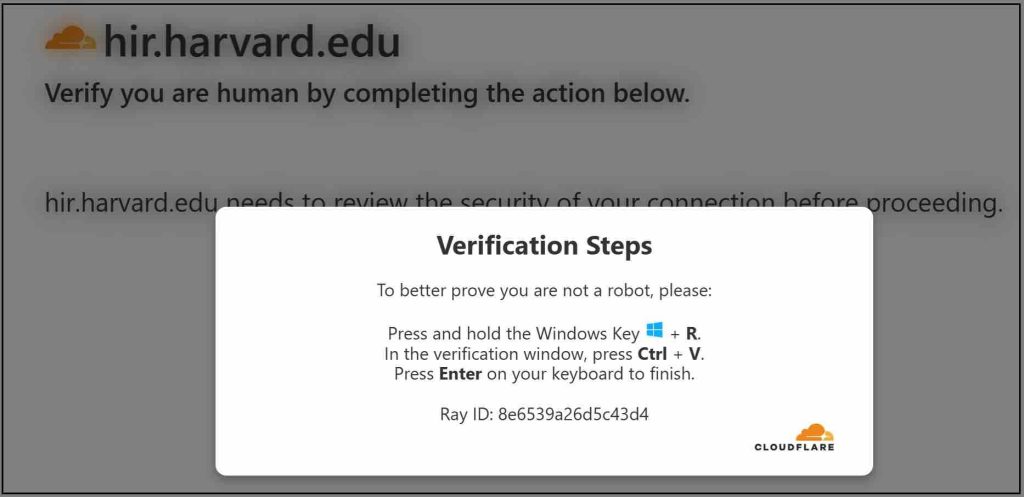
Security researchers have discovered a massive cyber assault infecting hundreds of web servers worldwide. Specifically, a newly analyzed Ghost CMS poisoning campaign leverages unpatched vulnerabilities to distribute malware at scale. Security firm XLab discovered the highly automated campaign after observing anomalous behavior on a client network. Threat actors exploit these trusted platforms to push sophisticated social engineering templates to regular visitors. Consequently, users face significant security risks when browsing popular web content.
The security breach centers around a severe web application flaw. To begin with, “The attacker exploited the high-risk SQL injection vulnerability CVE-2026-26980 in Ghost CMS to obtain the target site’s Admin API Key without authorization“. This critical key gives the bad actors extensive administrative access to modify system configurations. Subsequently, the attackers use the legitimate Admin API to perform bulk article modifications. They append a malicious JavaScript loader directly to the bottom of published posts. This automated takeover occurs without requiring any interaction from the site administrator.
The Mechanics of FakeCaptcha Lures
Once the loader executes, it redirects unsuspecting visitors to a highly deceptive destination. This malicious redirect establishes the foundation for dangerous ClickFix operations. Specifically, the dynamic script forces the user’s browser to display a fraudulent human verification portal. This forged portal meticulously mimics standard Cloudflare security checks. The deceptive window instructs users to use specific shortcut keys to bypass the screen. For example, the page tells the victim to press Windows+R and paste a custom string.
Evasion Tactics and Dynamic Cloaking
Furthermore, the campaign relies on commercial traffic distribution tools to filter incoming connection requests. Specifically, the malicious backend script collects precise hardware configurations and browser properties from the client computer. This fingerprint scanning helps the network determine whether the visitor is a genuine target or a security researcher. Consequently, researchers or automated crawlers only view a benign placeholder page while real victims receive malware. This strategic filtering mechanism protects the malicious command infrastructure from early detection.
Background Payloads and Inno Setup
However, this interaction triggers a malicious sequence on the endpoint. While the user follows the onscreen prompts, the browser secretly downloads a compressed file in the background. This package frequently uses common titles like update.zip to avoid raising suspicion. When the victim executes the pasted text, the command runs a silent batch script. Ultimately, this procedure executes a multi-stage Rust binary called installer.dll. This utility downloads the final interactive Trojan payload named UtilifySetup.exe.
Massive Scope and Rival Attack Groups
The overall footprint of this threat continues to expand across multiple distinct business verticals. Through proactive system scanning, analysts confirmed over 700 infected domains. The victim list includes educational institutions, blockchain applications, and security media platforms. High-profile universities like Harvard and Oxford have suffered from this infrastructure compromise. The report emphasizes that “Undoubtedly, users’ natural trust in these Ghost sites will greatly increase the success rate of ClickFix-type attacks.”
Underground Competition
Furthermore, researchers identified multiple threat actors actively competing for control over the same vulnerable servers. In some cases, a second attack group completely erased the previous scripts to implant their own custom variants. This constant battle illustrates how heavily cybercriminals prize stable initial access vectors. To stop this Ghost CMS poisoning campaign, system operators must patch their content management infrastructure immediately. Additionally, teams should rotate all active Admin API keys and review backend access logs for unauthorized changes.
Immediate Remediation Steps
Ultimately, organizations must prioritize software deployment upgrades to protect their digital perimeter against ongoing tampering. Security administrators should regularly scan underlying database contents for hidden script signatures matching these operational footprints. By implementing strict access control monitoring, enterprises can effectively neutralize the threat posed by this persistent threat vector.
Support Our Threat Intelligence
Find our vulnerability reports and weekly recaps helpful? Support our work today and unlock a 100% ad-free reading experience!
 Buy Me a Coffee
