One-Touch Security: Google Expands End-to-End Encryption to Gmail on Android and iOS
 Do Son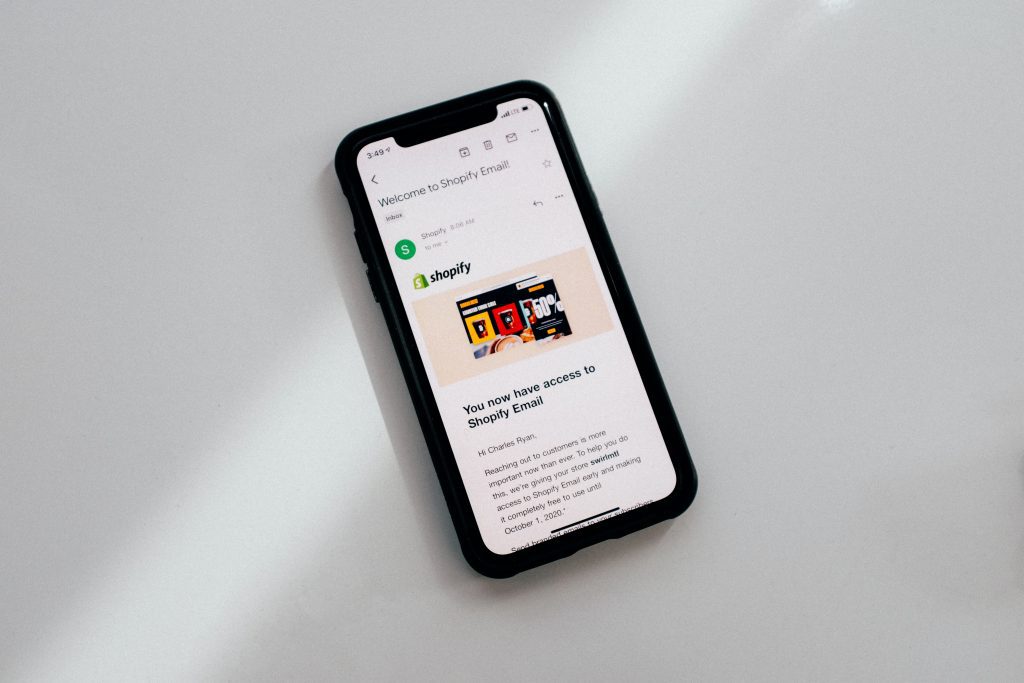
Two years after its debut on desktop platforms, Google has announced the expansion of Gmail’s “End-to-End Encryption” (E2EE) to its Android and iOS mobile applications. This feature is currently tailored for enterprise clients subscribed to premium Workspace tiers, enabling multinational corporations, public sector entities, and security-conscious organizations to compose and decipher encrypted correspondence directly within the native Gmail mobile interface. As mobile productivity becomes the standard, this update not only streamlines the management of sensitive communications but also affords Google a formidable competitive advantage in native integration over rivals like Microsoft Outlook and Apple Mail.
Google initially introduced S/MIME end-to-end encryption for the Gmail web interface last April; this latest iteration officially extends that technology to mobile via Workspace’s Client-Side Encryption (CSE) functionality. The feature is primarily accessible to enterprise customers utilizing Workspace Enterprise Plus with Assured Controls or the Assured Controls Plus add-on. Once administrative privileges are granted, employees need only tap the “lock” icon during composition and select the encryption option to transmit secure messages and attachments—eliminating the need for cumbersome third-party plugins or external secure mail portals.
To bolster organizational efficiency, Google’s E2EE framework exhibits remarkable interoperability. Authorized enterprise users can dispatch encrypted missives to any recipient; even those who do not utilize Gmail or the mobile app can access the content seamlessly. If the recipient employs the Gmail mobile application, decryption occurs natively within the app; conversely, users of alternative mail services can access and reply to the correspondence via a secure browser link. This “one-touch encryption, cross-platform accessibility” significantly lowers the technical barriers for small enterprises and public institutions handling sensitive data.
Among contemporary email providers, Gmail is a rarity in its ability to weave end-to-end encryption into its native fabric. In contrast, while Apple Mail and Microsoft Outlook adhere to the S/MIME standard, their implementation often demands a higher technical threshold for the user. Apple users typically must navigate the personal procurement and installation of digital certificates, while Microsoft Outlook remains heavily contingent upon internal Microsoft Purview configurations or S/MIME credentials. While “native one-touch encryption” remains elusive for the average personal user on mobile platforms, the paradigm of ubiquitous E2EE has already been established in the realm of instant messaging by platforms such as Meta’s WhatsApp, Apple’s iMessage, and Google Messages (RCS).
Support Our Threat Intelligence
Find our tech and OS security coverage helpful? Support our work today and unlock a 100% ad-free reading experience!
 Buy Me a Coffee
