 Do Son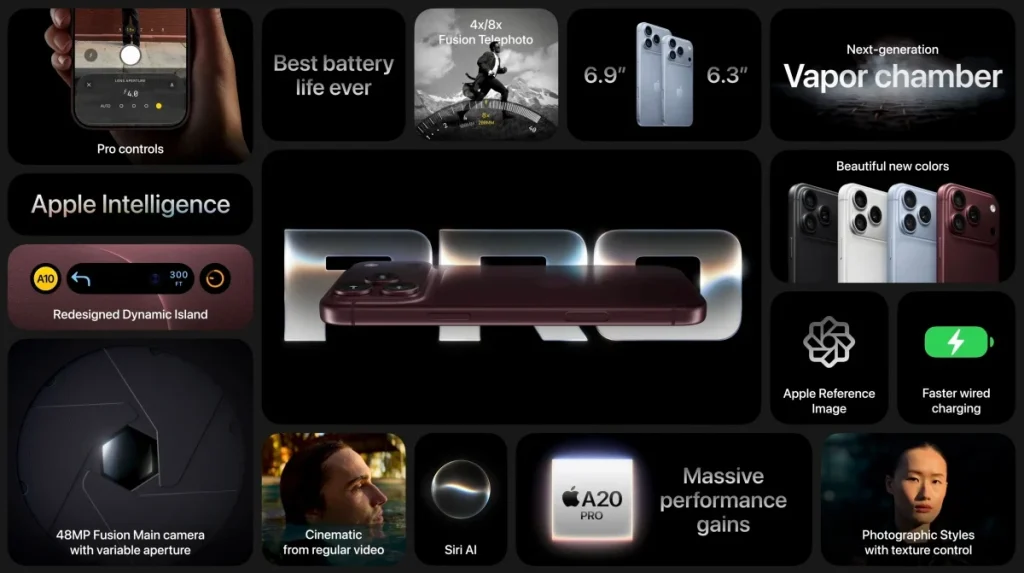
Apple recently confirmed that a small fraction of iPhone 18 Pro Max users in the United States are encountering cellular connectivity failures while operating on the AT&T network. This causes devices to abruptly lose service and become utterly incapable of placing calls. Users previously reported an inability to utilize text messaging and mobile data. The status bar frequently displays the SOS emergency insignia. Apple has explicitly stated that affected devices require a hardware replacement. This is because the profound malfunction cannot be rectified directly via software updates.
The Rarity of Complete Hardware Replacement
To mitigate this predicament, Apple released the iOS 27.0.1 iteration alongside a carrier profile update. The technology giant strongly advises all iPhone 18 Pro Max users to install iOS 27.0.1 precipitously. Concurrently, the carrier profile update will be automatically dispatched and installed within a fourteen-day window. However, these preventative updates serve only to avert the manifestation of the issue. They remain entirely impotent in restoring devices that have already forfeited their cellular network capabilities.
According to Apple’s official directives, if a device has already lost its capacity to connect to the AT&T network, the user must contact official Apple Support or AT&T directly. Alternatively, affected individuals may visit an Apple retail location or an AT&T storefront to facilitate a hardware replacement. Currently, Apple has not disclosed specific details regarding the malfunctioning component, the precise repair methodology, or the intricate stipulations of the replacement policy. Based on available intelligence, it appears the company is resolving the crisis by replacing the entire device outright.
A Potential Correlation with Qualcomm Baseband Chips?
The United States iterations of the iPhone 18 Pro Max utilize the Qualcomm Snapdragon series 5G baseband chips, whereas Apple employs its proprietary C2 baseband chips across all other global markets. Nevertheless, extant information remains insufficient to definitively prove that the baseband chip is the primary culprit behind this catastrophic failure. Simultaneously, the anomaly appears entirely isolated to the AT&T network; no other American telecommunications carriers have reported analogous disruptions.
In the vast majority of scenarios, Apple remediates anomalies in newly released hardware by executing iOS software updates. Resorting directly to hardware replacement is an exceptionally rare paradigm. Should this escalate into a widespread epidemic, it could inflict severe financial and reputational damage upon the corporation. By preemptively releasing the software and carrier profile updates, Apple ostensibly aims to insulate further devices from encountering this debilitating anomaly.
Support Our Threat Intelligence
Find our tech and OS security coverage helpful? Support our work today and unlock a 100% ad-free reading experience!
 Buy Me a Coffee
