 Do Son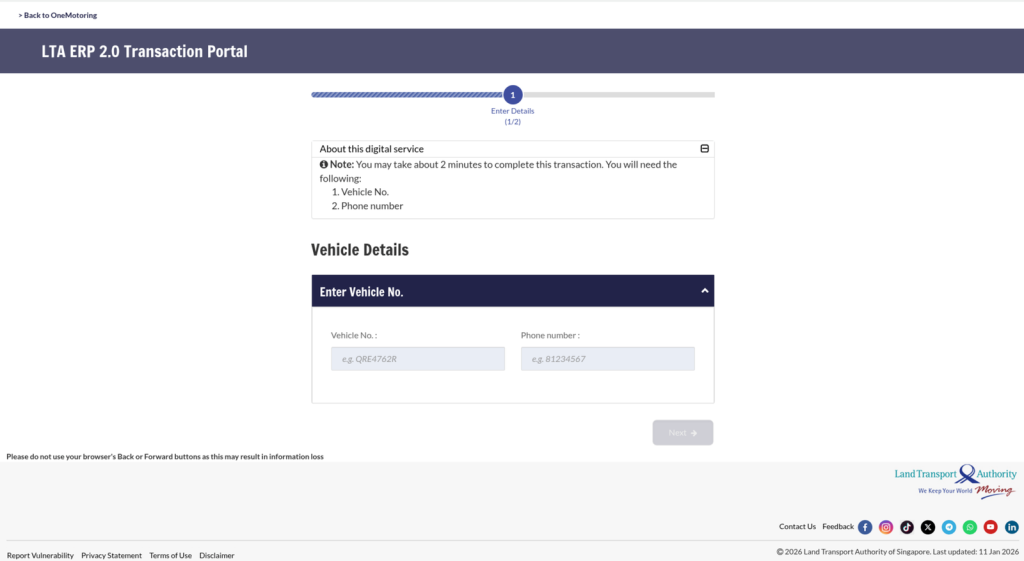
Phishing page which renders and loads the JWR client enabling the HOST mode | Image: Cisco Talos
At a glance
- Actor or group: Suspected Chinese-speaking cybercriminals.
- Activity type: Phishing-as-a-Service (PhaaS).
- Targets or victims: Shoppers using Shopify, PayPal, Apple, and Klarna.
- Scale: Widespread SMS campaigns across Southeast Asia and the Middle East.
- Jurisdiction or law-enforcement status: The FBI targeted the related “Outsider” platform in June 2026.
- Source: Cisco Talos.
TL;DR
Cisco Talos recently exposed the JWR phishing framework. This platform allows attackers to monitor victims in real time. Currently, operators use SMS text lures to deliver these dangerous payloads globally.
What happened
Security researchers at Cisco Talos identified a previously undocumented threat tool. The developer internally branded this software as “JWR”. According to investigators, this platform convincingly impersonates checkout and login pages. It targets major payment portals like Shopify and PayPal.
“The client engine of the JWR phishing framework is a real-time, operator-driven system that, rather than merely logging form submissions like a static credential-stealing page, keeps an AES-CTR encrypted WebSocket open to the threat actor so they can steer each victim’s session live,” the research explains.
The architecture uses a Host Bridge module. This module relays commands into a hidden inline frame. Meanwhile, a Vue.js application manages the victim interface. This application renders 44 distinct fake pages. Consequently, the software streams a victim’s keystrokes directly to the attacker.
Furthermore, the attacker issues commands back to the client application. These instructions can redirect the victim or display custom error messages. For example, the operator can send a “tip_change_card” command. This command displays a fake decline message and demands a different credit card.
Specifically, the client script integrates deeply with Shopify and WooCommerce. The malware extracts shopping cart data directly from URLs. Then, the platform populates fake checkout pages with accurate product details. Therefore, the deception looks completely authentic.
The application operates in three communication modes: standalone, pluginIframe, and hostIframe. In standalone mode, the application fully owns its WebSocket connection. Conversely, in pluginIframe mode, it sends everything upward to an embedding frame. Regardless of the mode, the script encrypts stolen data with a newly generated key.
Who is behind it
Analysts assess with medium confidence that this tool is a variant of “The Outsider”. The Outsider is a known Phishing-as-a-Service platform. External researchers reported that a Chinese-speaking group named “Outsider Enterprise” operates that original platform.
Notably, the operator console messages within this new tool are written entirely in Simplified Chinese. Phrases like “entering 2FA verification page” appear in the developer code. As a result of these language clues, analysts suspect Chinese-speaking criminals run this operation.
However, the exact identities of the developers remain unconfirmed. Talos found that the software shares no code-level implementation with other kits like Darcula. Yet, it shares operational signatures like live operator puppeteering. This highlights a shared tradecraft within the Chinese-speaking criminal ecosystem.
Impact or scale
This malware steals much more than simple payment card details. “The victim data targeted by the actor using JWR extends well beyond payment data, encompassing identity documents, Social Security numbers, passport and driver’s license images, website and PayPal credentials, 2FA codes, and full device fingerprints, all committed to the actor’s server once a session ends.”
When a victim visits the page, their browser sends an arrival beacon. This beacon alerts the attacker that a new visitor is present. From there, the actor takes over completely. They send a command that directs the victim to a personal details page. While the victim types, the actor monitors the data stream live.
Once the actor assesses the information, they move the victim to a card entry page. This loop repeats as many times as the attacker wants. Consequently, they can harvest multiple credit cards from a single victim.
Currently, attackers distribute the client through widespread SMS phishing campaigns. These lures impersonate toll authorities and postal services. Specifically, victims in Southeast Asia and the Middle East receive messages about unpaid fees. Once a victim submits their information, the platform normalizes the data. The exact financial damage is currently unknown. Yet, the identity theft potential is massive.
What comes next or how readers can stay protected
Law enforcement agencies actively target these criminal networks. In June 2026, the FBI launched Operation Ghost Hook. This operation successfully disrupted the original Outsider platform. Despite this action, variations continue to emerge in underground markets.
Users must remain extremely cautious regarding unsolicited text messages. Always ignore texts about random package deliveries or unpaid tolls. Additionally, verify URLs before entering personal information or authentication codes.
Organizations should implement hardware-based security keys. These tools defend against real-time credential theft. By adopting strong verification habits, consumers can avoid these dangerous traps. Ultimately, vigilance is the best defense against evolving cyber threats.
Support Our Threat Intelligence
Find our threat intelligence and malware analysis helpful? Support our work today and unlock a 100% ad-free reading experience!
 Buy Me a Coffee
