 Do Son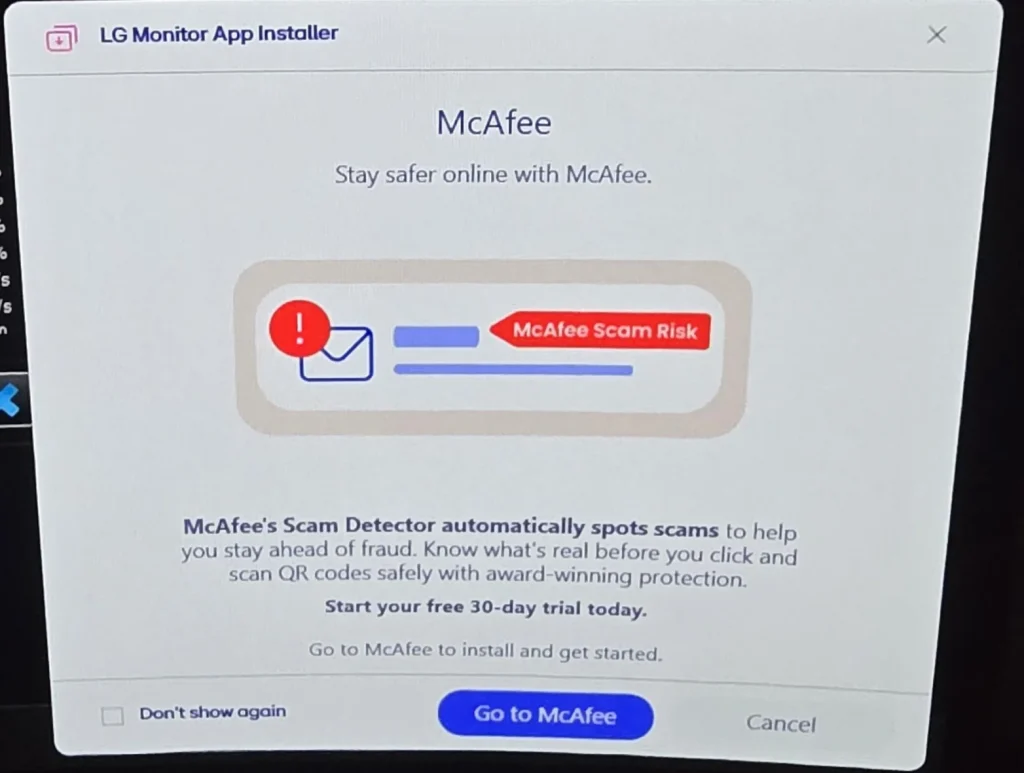
Image: Reddit
Unsanctioned Desktop Advertising Sparks Outrage
Netizens recently observed an unsettling phenomenon: upon connecting newly acquired LG monitors, intrusive desktop pop-up windows promoting McAfee antivirus software materialized. Unsurprisingly, consumers had not installed any software from LG or McAfee. Investigations subsequently revealed that when an LG monitor is connected, Windows automatically fetches OEM device metadata via system updates, silently installing LG’s companion utility applications.
LG exploited this automated provisioning pipeline to display unsolicited desktop advertisements. By bypassing explicit user consent or manual software installation, LG injected commercial pop-ups directly onto consumer desktops. This aggressive practice ignited swift condemnation across online communities, casting scrutiny over Microsoft’s automated OEM driver and utility distribution framework.
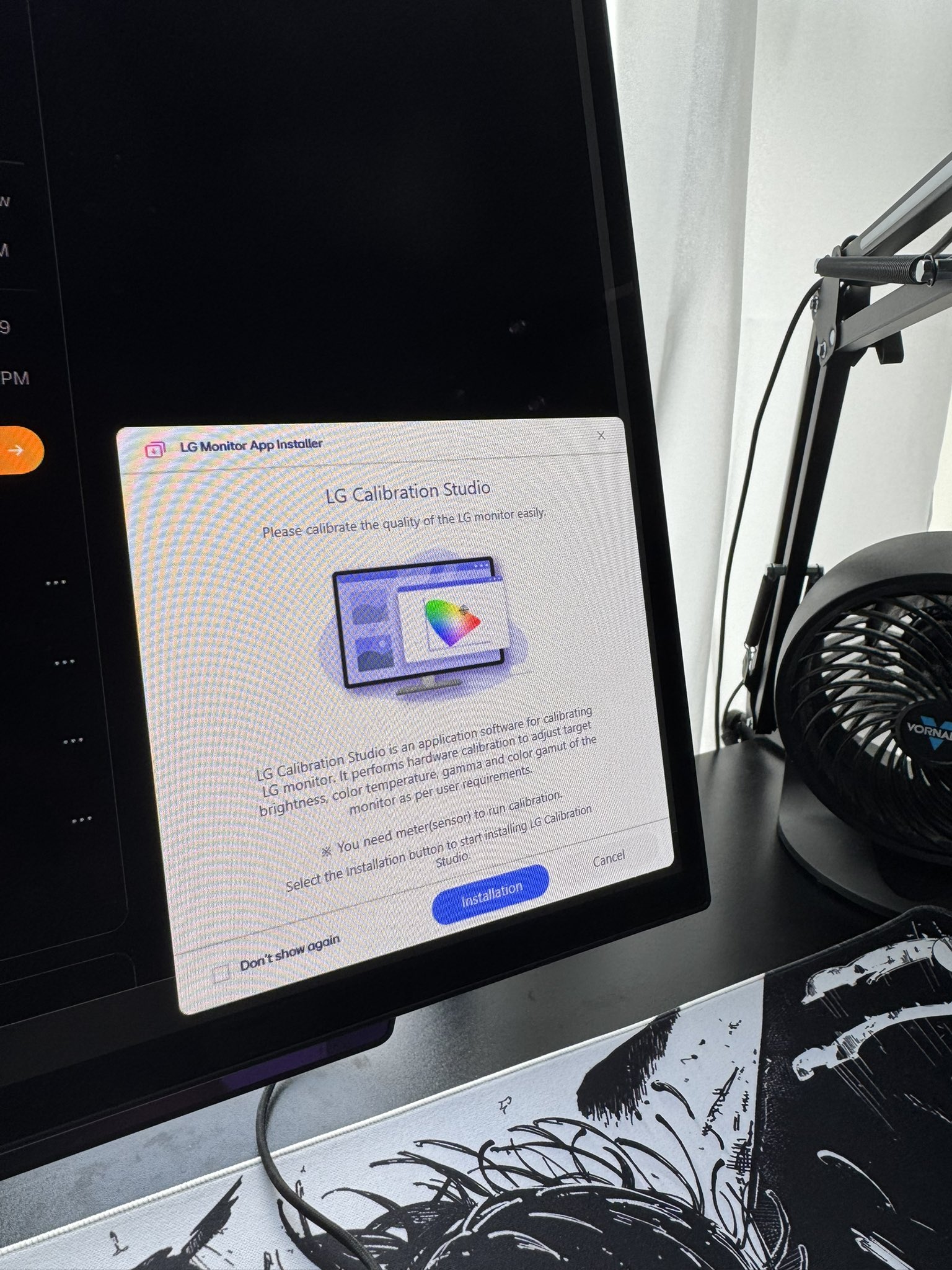
LG’s Deflective Official Response
In response to the mounting public backlash regarding desktop advertisements, LG issued an official statement. The company asserted that McAfee is never installed automatically, nor is it ever deployed without explicit user consent. LG explained that its companion application installer, distributed through official Microsoft channels, includes McAfee merely as an optional component. Installation occurs exclusively when a user actively chooses to proceed and accepts the terms. LG further emphasized that its companion application neither accesses, collects, nor transmits personal user data.
However, a critical analysis of LG’s declaration uncovers subtle deflections. While community criticism targeted the unprompted desktop ad pop-ups, LG addressed an entirely separate matter—the installation of the antivirus software itself. Naturally, McAfee is only installed if a user clicks the advertisement prompt; yet this does not justify injecting the advertisement onto desktops without authorization. By emphasizing that installation requires user interaction, LG attempted to shift blame onto consumers while ignoring the underlying grievance.
Microsoft Intervenes to Halt Pop-Up Advertisements
Pavan Davuluri, Vice President of Windows and Devices at Microsoft, received numerous tags on social media from frustrated users. Initially stating that his team was investigating the matter, Davuluri later posted an official update on Pavan Davuluri’s X post. He expressed gratitude for the community’s vigilance and announced that Microsoft had liaised with LG, leading LG to agree to immediately disable McAfee pop-up advertisements within its application.
Without intervention from Microsoft, LG would likely have disregarded user grievances. Moving forward, Microsoft must establish stringent guidelines governing OEM behavior. Distributing applications and drivers via device metadata must strictly exclude commercial advertising, as such practices severely erode consumer trust in the Windows ecosystem.
Support Our Threat Intelligence
Find our tech and OS security coverage helpful? Support our work today and unlock a 100% ad-free reading experience!
 Buy Me a Coffee
