
 Do Son
After nearly two years of silence, Zloader (a.k.a. Terdot, DELoader, or Silent Night) has returned with new...

An Iranian state-aligned APT, Nimbus Manticore, is targeting European defense and telecom firms with sophisticated spear-phishing campaigns and new malware.

Microsoft has fixed a long-standing bug in Windows Hello, removing the upgrade block that prevented affected devices from installing Windows 11 version 24H2.

Perplexity has launched an AI-powered Email Assistant for its $200/month premium subscribers. It can organize inboxes, schedule meetings, and draft replies.

Mozilla has launched a new feature for Firefox Add-ons, allowing developers to quickly roll back to a previous version to fix critical bugs or security issues.

 cybernewswire
Pittsburg, United States, 23rd September 2025, CyberNewsWire


Google has integrated its Gemini AI into Google TV, bringing conversational search and smart recommendations to the big screen, starting with TCL's QM9K series.
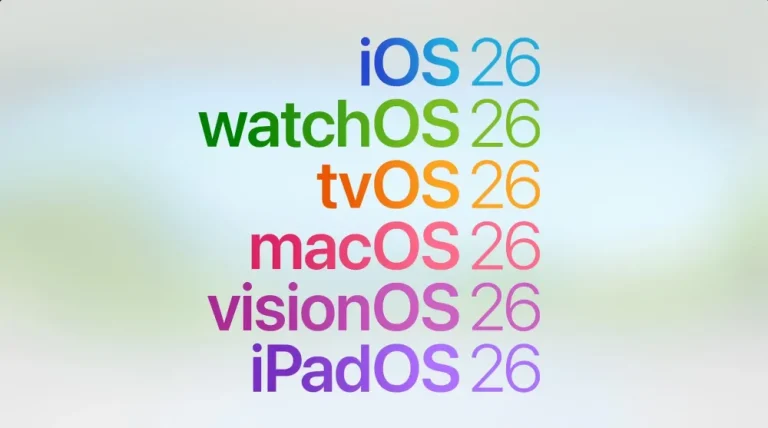
Apple has disabled signature verification for iOS 18.6.2, preventing users from downgrading from iOS 26, effectively locking them into the new OS.

Ten years ago, the European Union amended its internet regulations and, through a revised ePrivacy Directive, imposed...

iPhone 17 users are reporting widespread Wi-Fi disconnections, particularly after unlocking the device. The issue may be related to Apple’s new N1 networking chip.

SolarWinds has released an urgent hotfix for its Web Help Desk software, patching an unauthenticated RCE vulnerability (CVE-2025-26399) that bypasses earlier fixes.

NVIDIA is investing up to $100B to help OpenAI build 10 gigawatts of AI data centers, providing the massive compute power needed for next-gen models.

A new consortium including Oracle, Dell, and the Murdoch family is vying to acquire TikTok's U.S. operations, with the goal of securing its core algorithm.

Google DeepMind's Dustin Tran, a core developer of the Gemini project, has left the company to join Elon Musk's xAI to work on the next generation of Grok.

OpenAI plans to spend over $100 billion to secure cloud computing resources for its AI models, burning through tens of millions of dollars a day to operate.

A new large-scale SEO poisoning campaign, "Operation Rewrite," uses the BadIIS module to hijack web servers, manipulate search results, and redirect users to scams.

A new malicious npm package, "fezbox," hides a credential-stealing payload within a QR code, which it uses to exfiltrate web cookies and credentials.

A critical XSS flaw in the Lectora e-learning platform (CVE-2025-9125) allows for malicious code injection, posing a risk of session hijacking and redirection.

Libraesva has issued an urgent advisory for a command injection flaw in its ESG. The bug, which has been exploited, allows remote command execution via a malicious email.

A Steam game, BlockBlasters, was compromised with malware in an update, which is stealing crypto and credentials from unsuspecting gamers.

A new BankBot campaign targets Android users in Indonesia and Vietnam. The malware uses spoofed app stores and a WebSocket-based download for stealth.