 Do Son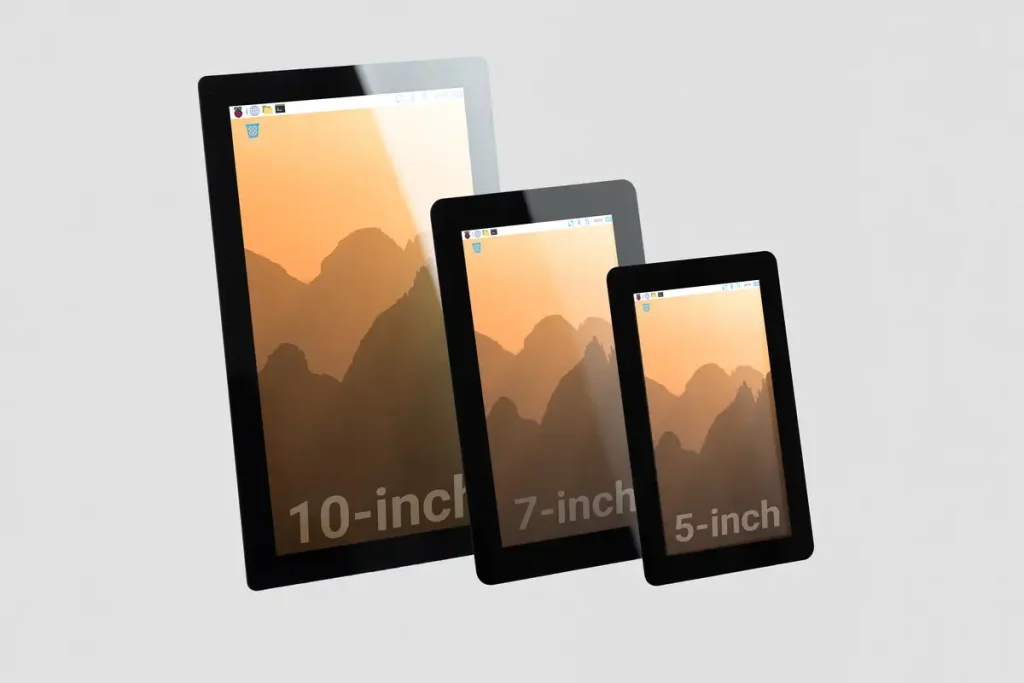
Raspberry Pi has introduced a new touchscreen to its official display range. Seven-inch and five-inch models arrived in 2024 and 2025 respectively, and a considerably larger ten-inch variant now joins them.
The product carries the name Raspberry Pi Touch Display 2. The ten-inch version starts at eighty dollars, and interested developers may order it from today through the approved reseller network.
A Larger Panel and a Sharper Image
The ten-inch model raises screen resolution to 1200 by 1920 pixels. It also offers an 85-degree viewing angle and a touchscreen controller supporting ten simultaneous contact points.
The older five-inch and seven-inch variants top out at five points. Developers can therefore select whichever product suits their scenario best. A conventional ordering kiosk, after all, hardly demands extensive multi-touch capability.
Powered Straight from the Host
Notably, the ten-inch display draws power directly from the Raspberry Pi itself. Consequently, developers need not plan for a separate supply when assembling a finished device, which simplifies construction considerably.
Power budgeting still deserves thought, however. A more capable supply may prove necessary to keep both the host board and the display running reliably.
Ready on Arrival
Raspberry Pi OS already ships with complete touchscreen drivers preinstalled. The display therefore works immediately upon connection, with no manual configuration required.
The package contains all necessary cables, connectors, and mounting hardware. Assembly is a brief affair, after which the unit simply attaches to the host board.
Raspberry Pi 5 and Newer Only
One limitation rather disappoints. The ten-inch Touch Display 2 does not support the Raspberry Pi 4 or any earlier model, and the entire Zero series is likewise incompatible.
The reason is technical. The new panel requires four DSI lanes, whereas older boards provide only two. Anyone determined to use it may therefore need to purchase a Raspberry Pi 5 or a subsequent model.
Where It Fits
Raspberry Pi suggests the new display suits a wide array of builds. Home automation dashboards and self-service terminals feature among them.
Robotics interfaces, digital signage, gaming systems, and control panels for workshop or laboratory equipment round out the list.
Support Our Threat Intelligence
Find our tech and OS security coverage helpful? Support our work today and unlock a 100% ad-free reading experience!
 Buy Me a Coffee
