 Do Son
Android 6.0+ is getting a new "System Services" settings page, centralizing visibility and management of Google's essential background apps for enhanced transparency.

Google's Advanced Protection Program now offers device-level security for Android, bringing HTTPS-Only Mode, full Site Isolation, and disabled JS optimizers to Chrome for high-risk users.

Google faces an EU antitrust complaint from publishers alleging its AI Overviews exploit content for summaries, causing traffic/revenue loss and forcing publishers to accept terms or lose search visibility.

A California jury ordered Google to pay $314M in damages, ruling it secretly used Android users' cellular data for tracking without consent. Google will appeal.

Cloudflare launched an AI Crawler Leaderboard ranking AI company web crawlers. ByteDance is last for ignoring robots.txt and lack of IP transparency, prompting new blocking defaults.

Android 16 introduces new "Mobile Network Security" features, including network alerts and 2G protection, to detect and counter Stingray devices, requiring IRadio HAL 3.0 modem support.

Google launches Doppl, an experimental AI app in the US. It creates personalized digital avatars for virtual try-ons and animated videos of users wearing different outfits.

Google unveils Gemma 3n, a groundbreaking open-source, on-device multimodal AI model. It brings high-end performance to mobile devices via MatFormer architecture and memory optimizations.

The US Senate reintroduced the Open App Markets Act, aiming to curb Apple & Google's app store dominance by mandating sideloading, third-party payments, and preventing self-preferencing.

Google has donated its A2A (Agent2Agent) protocol for AI agents to the Linux Foundation, fostering open development and seamless interoperability across diverse AI systems.

Apple is reportedly in talks to acquire Perplexity AI, aiming to accelerate its AI search engine development and integrate generative AI into the next generation of Siri.

A hacker is allegedly selling 16 billion login credentials, likely aggregated from past breaches via info-stealing malware, impacting major tech platforms. Use MFA to stay safe!

iOS 26 introduces direct eSIM transfer to Android, simplifying cross-platform migration and eliminating the need for carrier intervention.

A high-severity flaw (CVE-2025-4565) in Google's pure-Python Protobuf backend allows unauthenticated attackers to crash applications via crafted nested messages.

YouTube is expanding 30-second non-skippable ads, forcing more users to watch full commercials unless they subscribe to Premium or use an ad-blocker.
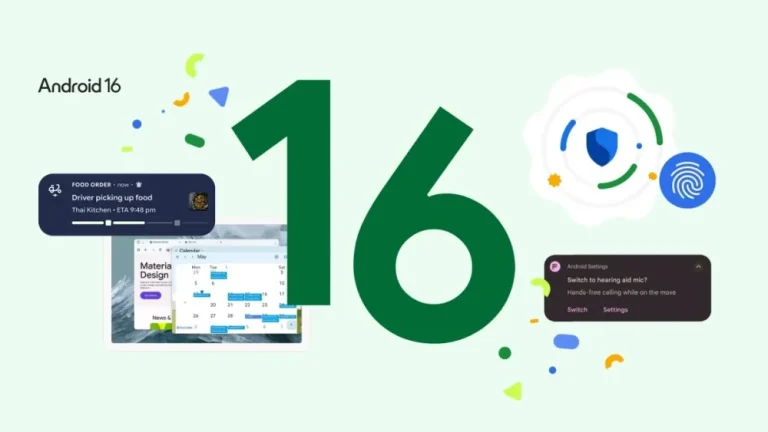
Android 16 is here for Pixel devices, featuring Material Design 3 Expressive, enhanced Gemini AI, Auracast, new camera tools, and the Pixel VIP widget.

A patched Google flaw allowed researchers to extract linked phone numbers without user notification. The vulnerability is now fixed, and no exploits were detected.

YouTube escalates its war on ad blockers, particularly for Firefox users, as it prioritizes revenue for its massive AI investments.

Google is increasing ads on YouTube Music's free tier, replacing album art and blocking skips. Learn what's changing and how to go ad-free.

Google unveils an enhanced Gemini 2.5 Pro, now available for early trials. This powerful AI model offers superior performance and cost control for enterprises.

Samsung will delete inactive accounts and all associated data after 24 months, starting July 31, 2025. Log in to avoid loss!

Microsoft, Google, and major cybersecurity firms are collaborating to unify hacker group naming, aiming for clearer threat intelligence across the industry.