
 Do Son
A memory leak vulnerability (CVE-2023-26083) affects Arm Mali GPU Kernel Driver across multiple versions, exposing sensitive kernel metadata.
Vulnerability

two vulnerabilities have been discovered, which, when combined, can lead to a man-in-the-middle (MITM) attack and remote code execution (RCE)

The CVE-2023-20117 & CVE-2023-20128 vulnerabilities found in the web-based management interface of Cisco RV320 and RV325 VPN Routers

CVE-2022-4939, with a CVSS score of 9.8, is a severe security flaw affecting WCFM Membership versions up to and including 2.10.0

CVE-2023-28326 is considered critical and can potentially cause serious harm to users and organizations that use this software.

a critical vulnerability with a CVSS score of 9.8, resides in the WooCommerce Payments plugin versions 4.8.0 through 5.6.1

4 of the critical bugs patched this month reside in System (CVE-2023-20951 & CVE-2023-20954) and Qualcomm's closed-source components

CVE-2022-41223 and CVE-2022-40765 can be exploited by a remote authenticated attacker to execute arbitrary code on the system.

An attacker could exploit the CVE-2022-27677 vulnerability to execute arbitrary code with higher privileges on the system.

CVE-2023-23529, the issue has been described by the tech giant as a type confusion issue in the WebKit browser engine

Discovered by the security researcher, Erol Guven, CVE-2023-25727 is an XSS attack and affects phpMyAdmin versions prior to 4.9.11 and 5.2.1

The critical vulnerability tracked as CVE-2017-11357 is rated 9.8 out of 10 for severity on the CVSS scoring system, and was patched by Progress

The PoC exploit targets CVE-2022-42864, a vulnerability that could allow a remote attacker to execute arbitrary code on the system

CVE-2022-45461 is a high OS command injection vulnerability that affects NetBackup versions 8,9, and 10 and Appliance versions 3,4, and 5

CVE-2022-33684 can be exploited to launch a MITM attack and gain access to the communication channel between endpoints
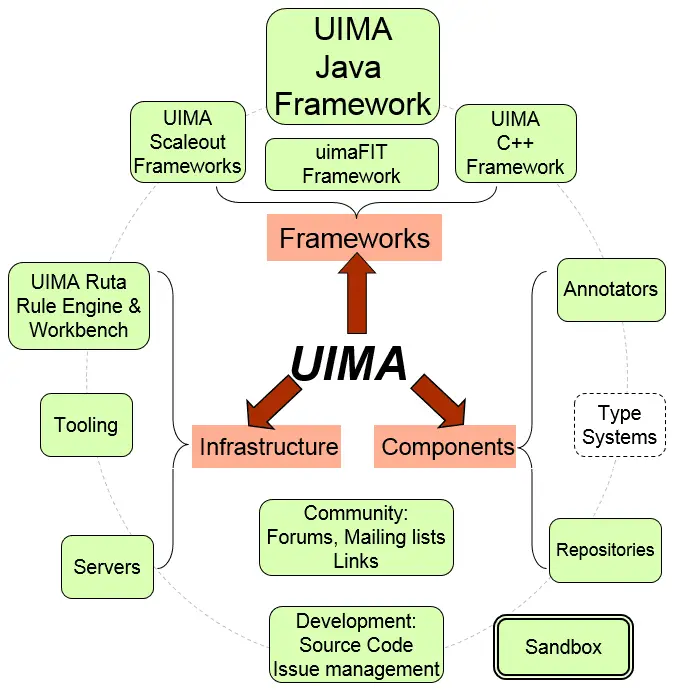
CVE-2022-32287 allows attacker to traverse directories on the system, caused by improper validation of user-supplied input in a FileUtil class

As a result, successful exploitation of CVE-2022-1786 via executing a specially-crafted program could lead to a system crash.

A remote authenticated attacker could exploit the CVE-2022-42719 vulnerability to execute arbitrary code or cause the system to crash
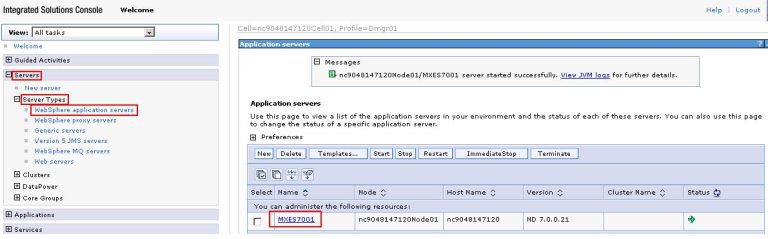
The security hole that allows HTTP header injection is tracked as CVE-2022-34165, and this is "caused by improper validation."

CVE-2022-34918 is a heap buffer overflow due to a weak check and has been introduced within the netfilter which can be exploited
VMware issued a security bulletin to disclose a SpEL Expression injection vulnerability (CVE-2022-22980) in Spring Data MongoDB

A security researcher has discovered that the Linux kernel is affected by a potentially serious vulnerability (CVE-2022-1516)