 Do Son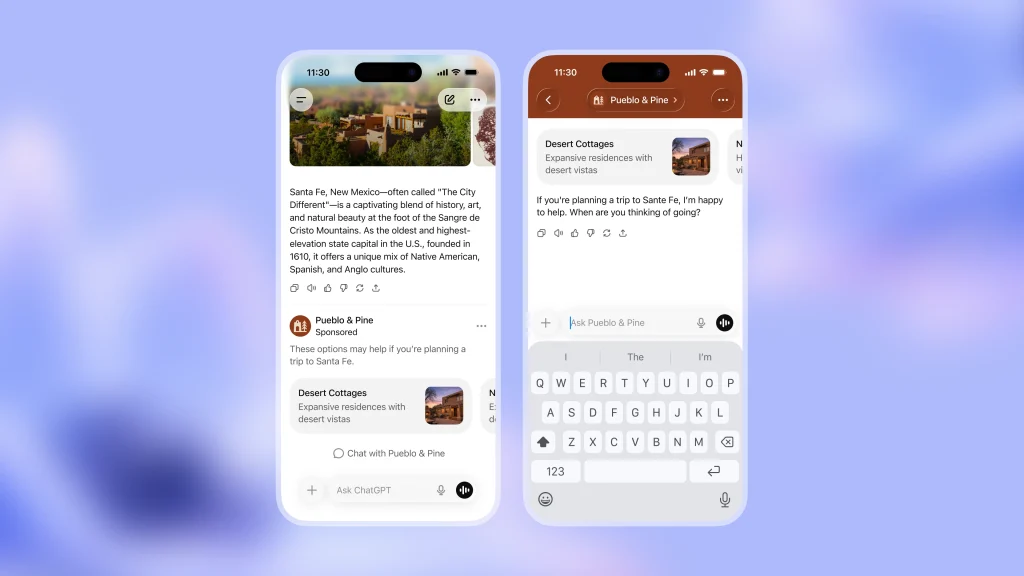
In a move that signals a massive shift in the AI landscape, OpenAI has officially launched ChatGPT Go in the United States and globally. Priced at just $8 per month, the tier aims to bridge the gap between free users and the premium “Plus” experience. However, the launch comes with a significant caveat that has cybersecurity experts and privacy advocates on high alert: the introduction of integrated advertising.
The company believes that “AI is reaching a point where everyone can have a personal super-assistant that helps them learn and do almost anything.” By lowering the price floor to $8, they are targeting a global audience that finds the $20 Plus tier out of reach.
The most controversial aspect of the announcement is the plan to begin testing ads in the U.S. for both Free and Go users. OpenAI is quick to defend the move, stating, “Ads support our commitment to making AI accessible to everyone by helping us keep ChatGPT available at free and affordable price points.”
From a cybersecurity and privacy perspective, the “principles” OpenAI has outlined are designed to reassure a wary public:
- Answer Independence: Ads “do not influence the answers ChatGPT gives you,” and are clearly labeled.
- Conversation Privacy: OpenAI vows to keep conversations private from advertisers and “never sell your data to advertisers.”
- User Control: Users can turn off personalization and clear ad-related data at any time.
While OpenAI promises that “answers are optimized based on what’s most helpful to you,” and not by advertising, the integration of third-party “sponsored products” into a conversational flow introduces new psychological and technical variables.
In the coming weeks, U.S. adults on the entry-level tiers will see ads at the bottom of their answers when there is a “relevant sponsored product or service based on your current conversation.” While OpenAI will exclude sensitive topics like health and politics, the “context-aware” nature of these ads means the AI must still analyze user intent to serve relevant content.
OpenAI is betting that most users will accept ads as a fair trade for “super-assistant” capabilities. As the company prepares for a potential IPO later this year, this “diverse revenue model” is likely just the beginning.
“Who gets access to that level of intelligence,” OpenAI notes, “will shape whether AI expands opportunity or reinforces the same divides.” At $8 a month, the door is now wider—but it comes with a new kind of “Sponsored” view.
Related Posts:
- Your AI Summary Will Have Ads: Google Integrates Sponsored Content into Search
- Google Search Redesign Hides Option to Dismiss Ads, Forcing Users to Scroll Past ‘Sponsored Results’ Blocks
- Google Testing ‘Sponsored’ Ads Inside Gemini AI Search Results
Support Our Threat Intelligence
Find our tech and OS security coverage helpful? Support our work today and unlock a 100% ad-free reading experience!
 Buy Me a Coffee
