The Final Cut: Why the Oscars are Leaving ABC for a YouTube-Only Future in 2029
 Do Son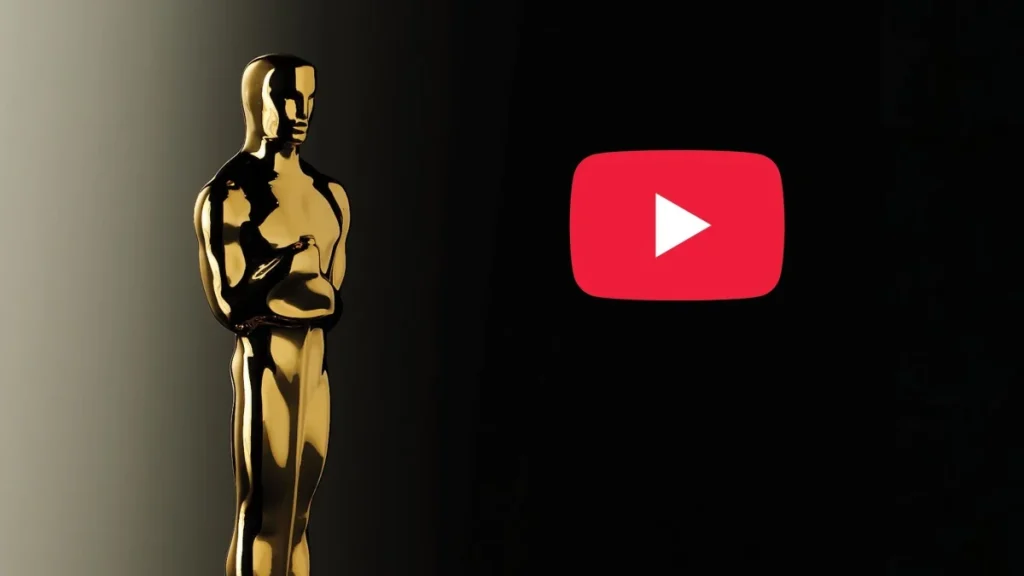
As streaming platforms have fundamentally reshaped viewing habits, Hollywood’s most emblematic awards ceremony—the Academy Awards (the Oscars)—has finally chosen to embrace the digital tide.
The Academy of Motion Picture Arts and Sciences (AMPAS) recently announced a sweeping global partnership with YouTube, Google’s video platform. Beginning in 2029, the Oscars will be livestreamed exclusively on YouTube, bringing to a close a broadcasting relationship of several decades with ABC, the Disney-owned American television network.
Viewers, however, will not lose access to the Oscars on television overnight.
Under the agreement, ABC will retain broadcast rights through 2028—a year of particular historical significance, as it marks the 100th Academy Awards. This arrangement allows the traditional broadcast network to accompany the Oscars through their first full century, before passing the torch to YouTube with the 101st ceremony. The collaboration extends well beyond the awards night itself. Going forward, the official Oscars YouTube channel will serve as a comprehensive hub for Academy-related content, including:
- The Governors Awards
- Nominees announcements
- The Nominees Luncheon
- The Student Academy Awards
- The Scientific and Technical Awards
In addition, the Google Arts & Culture initiative will join the partnership, helping to digitize the Academy’s extensive film archives and collections, making these invaluable pieces of cinematic history accessible to audiences worldwide. Commenting on the shift, Academy CEO Bill Kramer and President Lynette Howell Taylor stated: “We are delighted to enter into a global partnership with YouTube. The Academy is an international organization, and this collaboration allows us to reach the broadest possible global audience.”
In truth, the steady decline of television ratings for traditional awards shows has become impossible to ignore. Even the Oscars have struggled to retain younger viewers. Moving to YouTube not only resolves long-standing issues around international licensing and time-zone delays—eliminating the need for separate national broadcasts—but also leverages YouTube’s social and interactive features to reengage younger and more diverse audiences. In my view, the Oscars’ migration to YouTube represents the final piece in the broader transition of live events from traditional television to streaming platforms.
Netflix has already secured the broadcast rights to the Screen Actors Guild Awards, while Amazon and Apple have aggressively expanded into live sports. For an event as prestigious—and as demanding of audience attention—as the Oscars, YouTube’s free access, global reach, and effortless clip-sharing capabilities may prove to be the most effective remedy for waning public interest.
Related Posts:
- Wasp Framework Patches OAuth Flaw Allowing User Impersonation
- Intel re-launch Bug Bounty Program: The award is up to $250,000
- $60 Million and Counting: Microsoft Rewards Bug Bounty Hunters
- NB65 released 786.2GB data from the All-Russia State Television and Radio Broadcasting Company
Support Our Threat Intelligence
Find our tech and OS security coverage helpful? Support our work today and unlock a 100% ad-free reading experience!
 Buy Me a Coffee
