 Do Son
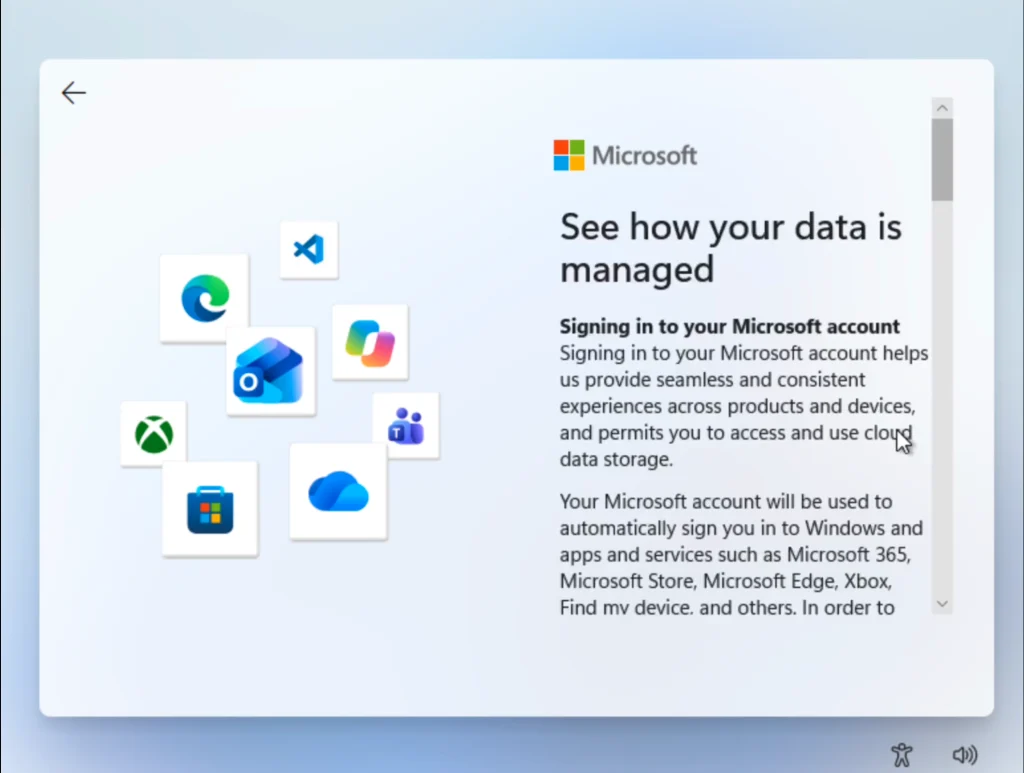
Modern consumer editions of Windows 11 require an active internet connection and Microsoft Account sign-in during initial setup. If the Out-of-Box Experience detects no network connectivity, the installation halts immediately. Consequently, users cannot reach the desktop unless they restore connectivity or apply manual bypass tricks. Specifically, a newly uncovered Windows 11 OOBE IPv6 oversight prevents setup from finishing on pure IPv6 networks.
IPv4 Connectivity Requirement During Initial Setup
Security researcher @Spring discovered that Windows 11 OOBE completely overlooks IPv6-only networking environments. When a workstation connects exclusively via IPv6, the setup wizard falsely assumes the device is offline. As highlighted in @Spring’s technical findings on social media, the installer strictly demands functional IPv4 routing. Even if a machine obtains a local IPv4 address, broken external IPv4 transit still triggers an offline error.
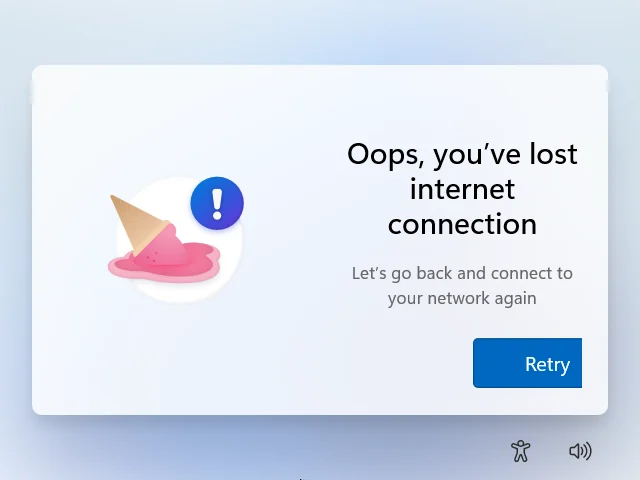
Likely, Windows engineers never anticipated pure IPv6 deployments when designing the cloud sign-in flow. Although Microsoft can update OOBE web components remotely from cloud servers, an offline installer cannot download patches. Therefore, remote server updates cannot rescue a system trapped without IPv4 internet access.
Future Implications for Legacy Windows 11 Installation Media
Furthermore, this architectural flaw sparks intriguing concerns regarding the global transition toward IPv6-only infrastructure. As internet providers retire legacy IPv4 routing, future networks will operate exclusively over IPv6. Consequently, legacy Windows 11 ISO images could become virtually unusable out of the box without manual offline bypasses. Because disconnected OOBE environments cannot fetch remote patches, Microsoft faces a difficult engineering hurdle.
Recent IPv6 CLAT Additions in Update KB5127936
Meanwhile, Microsoft recently expanded IPv6 compatibility elsewhere inside the operating system. Specifically, October’s optional Windows 11 update KB5127936 introduced IPv6 CLAT support across Wi-Fi and Ethernet adapters. This feature leverages the 464XLAT translation mechanism to bridge legacy applications over modern networks. Ultimately, CLAT allows IPv4-dependent enterprise software to reach external services seamlessly inside IPv6-only corporate environments.
Support Our Threat Intelligence
Find our tech and OS security coverage helpful? Support our work today and unlock a 100% ad-free reading experience!
 Buy Me a Coffee
