 Do Son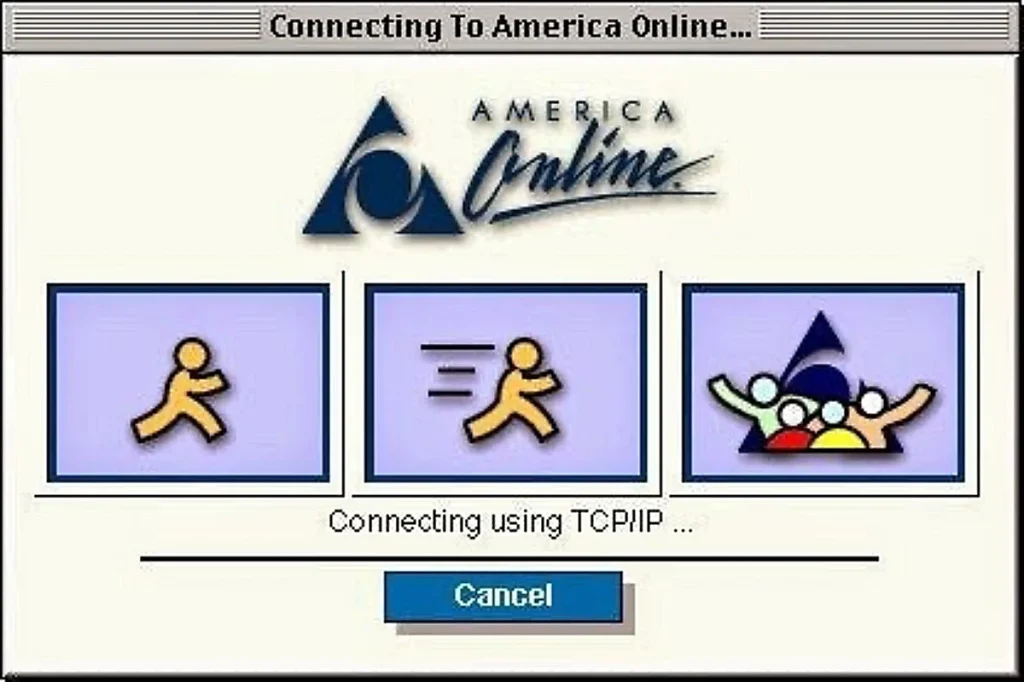
Once a symbol of the early internet era, AOL’s dial-up service—famed for integrating email, news, and chatrooms to attract tens of millions of users worldwide, and for making America Online one of the most iconic online gateways of its time—will officially become history on September 30 of this year.
In a quietly posted update to its support documentation, AOL announced the termination of its dial-up internet service, along with the discontinuation of technical support for the AOL Dialer connection software and the AOL Shield browser. The company has not disclosed any formal migration plan for existing dial-up users, though it is expected to recommend more modern connectivity options such as broadband, mobile data, or satellite internet.
For many, the ritual of connecting to the internet over a telephone line—accompanied by the distinctive screech and buzz of a modem handshake—is already a distant memory. As broadband access became widespread and costs fell, the drawbacks of dial-up, including its sluggish speeds and the occupation of phone lines, became increasingly untenable, leading to its steady replacement by cable, fiber, and later mobile networks.
Even today, AOL’s dial-up service still counts “several thousand” active users, largely in remote areas with limited infrastructure. Offered at a low cost to meet basic connectivity needs, it has remarkably persisted for 34 years, making it one of the few 1990s-era internet products to survive across generations.
The announcement of its imminent shutdown marks the end of a significant chapter in the history of the internet—joining the ranks of nostalgic cultural relics such as Blockbuster video rentals, the Discman, and AOL’s once-ubiquitous instant messaging software.
Related Posts:
- Mozilla Ceases China Operations: Firefox to Exit Local Business, Focus on Global Direct Support
- Windows 11 Retires Blue Screen of Death: New Black Crash Screen Focuses on Faster Diagnostics
- Sophisticated NFT Scam Campaign Exposed: Over 100 Projects Targeted
Support Our Threat Intelligence
Find our tech and OS security coverage helpful? Support our work today and unlock a 100% ad-free reading experience!
 Buy Me a Coffee
