 Ddos
Ddos 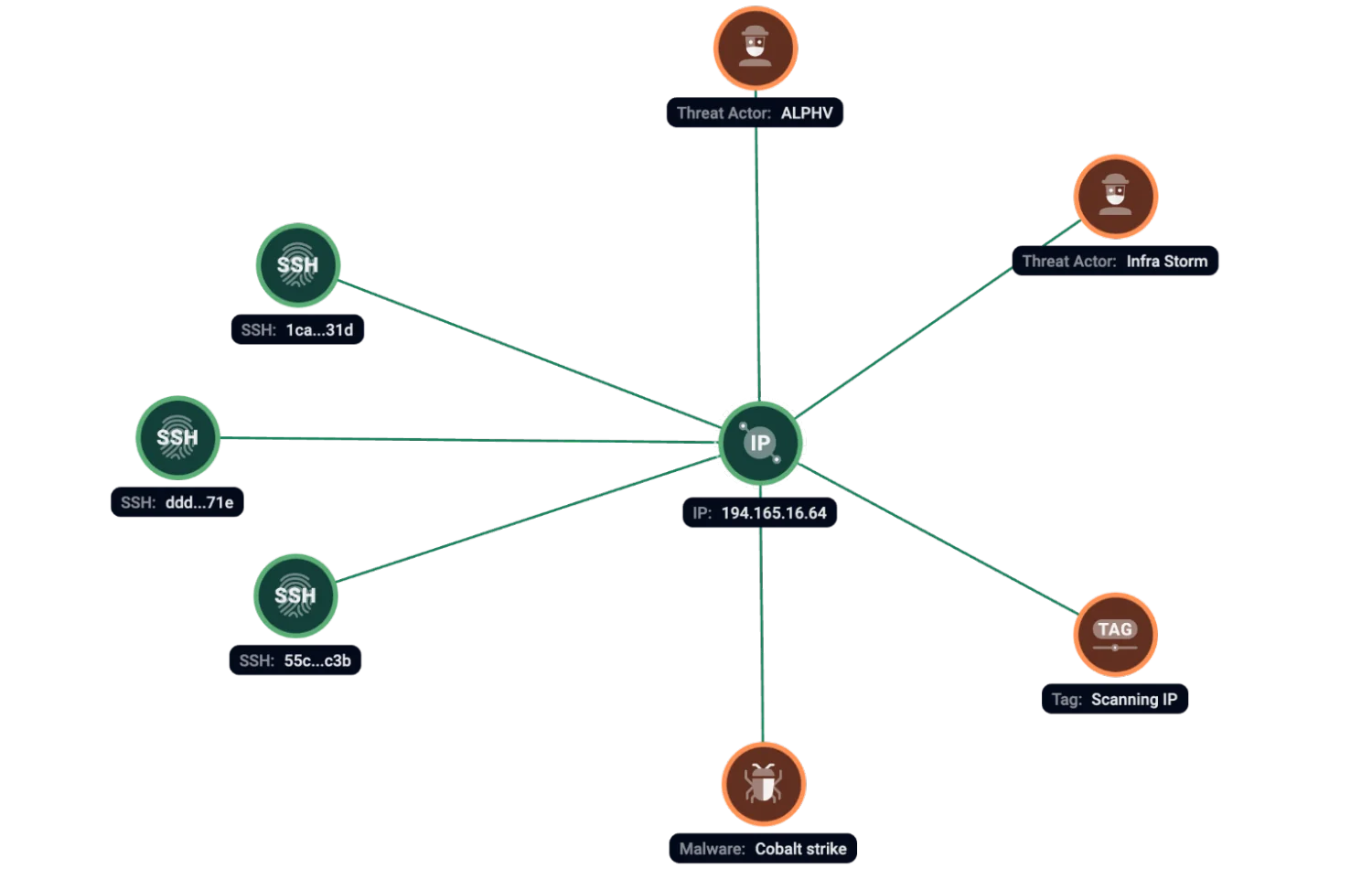
Group-IB Graph analysis of the network infrastructure related to ALPHVBlackCat | Image: Group-IB
The sprawling, murky network known as ShadowSyndicate has evolved. Previously identified by a singular, careless digital fingerprint, this malicious infrastructure cluster—linked to various ransomware families and cyberattacks—is now adopting more sophisticated operational security. A new report by Group-IB sheds light on these shifting tactics, revealing a threat actor that is learning, adapting, and expanding its footprint across the bulletproof hosting landscape.
ShadowSyndicate is a unique entity in the cybercrime world. It is defined not by a specific malware strain, but by the servers it builds. As the report explains, “ShadowSyndicate is a malicious activity cluster that unites a wide set of campaigns based on infrastructure overlaps”.
For a long time, ShadowSyndicate had a distinct “tell.” Despite managing a massive number of servers, the operators relied on a single SSH key to control them all. This laziness allowed researchers to easily map their entire empire.
However, the game has changed. Group-IB researchers have observed a shift in behavior. “In addition to their distinctive method of orchestrating large clusters using a single SSH key, Group-IB researchers have discovered a new tendency to rotate the use of multiple ones”.
This rotation suggests a maturing adversary. By segmenting their infrastructure with different keys, ShadowSyndicate is likely trying to implement “access control or segregation of duties,” making it harder for defenders to attribute all their activity to a single group with high confidence.
Despite the new security measures, old habits die hard. The group continues to return to the same “friendly” hosting providers to set up their command-and-control (C2) servers.
The report notes that this “consistency creates predictable patterns that can be useful for infrastructure correlation, attribution, and proactive detection”. Whether it is for Cobalt Strike beacons or ransomware payloads, the group’s loyalty to specific networks remains a key indicator for hunting them down.
The ultimate question remains: What is ShadowSyndicate? Are they a gang of hackers directly deploying ransomware, or are they the landlords of the cybercrime underground?
The infrastructure is clearly shared across multiple threat groups and malware families, leading analysts to narrow down the possibilities.
“Group-IB’s current intelligence primarily points to the following options: either they operate as an Initial Access Broker (IAB) or offer bulletproof hosting (BPH) provider services,” the report concludes.
Whether they are selling the keys to the front door or renting out the servers that launch the attack, ShadowSyndicate remains a critical pillar of the modern cybercrime economy.
Related Posts:
- ShadowSyndicate’s Global Ransomware Empire Blurs Lines Between Cybercrime and Geopolitical Espionage
- ShadowSyndicate Ransomware Gang Targets aiohttp CVE-2024-23334 Flaw: Patch Now!
- Threat Actors Continue to Exploit Legitimate RMM Tool ScreenConnect
- CISA/FBI/NSA Unite to Dismantle Bulletproof Hosting Ecosystem with New Global Defense Guide
Support Our Threat Intelligence
If you find our CVE report and cybersecurity news helpful, consider supporting our work.
 Buy Me a Coffee
PayPal
Buy Me a Coffee
PayPal
